
2026. február 14-én, hajnalban elhunyt Maurer Dóra, egyesületünk alapító elnöke, akit mélyen a szívünkbe zártunk, és akivel nagy megtiszteltetés volt együtt dolgozni. Nagyszerű ember volt, kivételes személyiség, rendkívül innovatív, mindig újat kereső, örök kísérletező művész, nagyhatású művészetoktató és fáradhatatlan művészetszervező. Logikus gondolkodású, őszinte, egyenes, szókimondó, páratlanul következetes, erős jellem, nyitott minden új, eredeti elgondolásra, szellemi párbeszédre, közvetlen, és végtelenül segítőkész.
1937. június 11-én született Budapesten. A Képző- és Iparművészeti Gimnázium után a Magyar Képzőművészeti Főiskolán előbb festő-, majd képgrafika szakon végzett. 1961-től rendszeresen részt vett magyarországi és nemzetközi kiállításokon. Az első külföldi önálló tárlatát 1966-banrendezte Bolognában. 1968-ban házasságot kötött a Bécsbe emigrált, és ott építésztervezőként és képzőművészként dolgozó Gáyor Tiborral, és a rendszerváltásig felváltva hol Bécsben, hol Budapesten élt, majd végleg hazatértek.
Művészként úgy határozta meg magát 1993-ban Hajdú István kérdésére, hogy „szisztematikus gondolkodású posztkonceptualista. A koncepthez az vezetett, hogy ne statikus és végleges műveket csináljak, hanem tovább alakuló, megszűnni tudó dolgokat, hogy a változás részben automatikus legyen, részben én nyúlhassak bele” (Triptichon. Maurer Dórával és Gáyor Tiborral beszélget Hajdu István. Közzétéve: Párhuzamos életművek. Maurer-Gáyor. Szerk: Maurer Dóra. Városi Művészeti Múzeum, Győr, 2003).
Alkotói munkásságát a Fotómunkák / Photoworks 1971-1993 című, Vintage Galéria által 2007-ben kiadott könyvében így foglalta össze: -„Végül is egy nap észrevettem, hogy a munkámhoz az eszemet is használhatom. 1961-ben fejeztem be a főiskolai tanulmányaimat. Ezután nagyon produktív időszak következett, amelyben mindazt feldolgoztam, ami addig téma szerint, kulturálisan is, és formailag is felgyülemlett bennem. Ennek során teljesen kiürültem, és hogy ebből az ürességből valahogy kikapaszkodjak, önkéntelenül felülvizsgáltam a művészethez való viszonyomat. Segítségemre voltak ebben többek között a jelentés- és más változásokkal foglalkozó fázisfotó-sorozatok vagy azok az elemi mozgásmegfigyelések, amelyeket kísérleti filmekben rögzítettem. Így jutottam el a 70-es évek első felében egyfajta posztkonceptuális grafikához, majd festészethez. Amit ma csinálok, az a régen kialakított, egyszer eltolódás-rendszerem alapján jön létre, de ezt a rendszert állandóan megújítom.”
Grafikáiban rövid intermezzo után – előbb az első nyugat-európai tanulmányútján látott ókori művészeti emlékek elementáris hatását dolgozta fel (1963-1964), majd két eltérő anyag kontrasztját tárgyszerű formává békítő, pszicho-realista alkotásokat készített (1964-65) -, a tárgyi világ látható struktúrái mögötti valóságviszonyokat vizsgálta. Radikálisan új technikai kísérletei elvezették a konceptuális és struktúraelvű gondolkodáshoz, az anyagra, eszközre, műfajra, és a művészet fogalmaira való reflektáláshoz, és a művészi gondolat dokumentálásához.
Az 1970-es évek elején egyszerű geometriai formákkal és hidegtű technikával dolgozott. A sokszorosító rézlemez és a grafikai nyom közötti összefüggés és a sokszorosítás aktusa, a nyomtatott kép strukturális jellemzőinek eredete, majd a lemezre öntött savval, a lemez gyűrésével, roncsolásával és elhasználódásával ön-azonos, asszociációmentes képalkotás érdekelte. A nyomhagyás közvetlen lehetőségeit, a nyomtatólemez fizikai változását és a nyomtatott forma változásának időbeliségét, és a lemez változásának nyelvi kifejezésbeli konzekvenciáit kutatta. Első alkotói korszakát azzal zárta, hogy elvetette a nyomólemez, mint köztes médium használatát.
A fotózás és a filmkészítés felé fordult és a szabályok szerinti mozgásban, elmozdulásban, valamint a szabályos sorokba rendezett mozgásfázis-képsorok szabályos elmozdításával létrejövő véletlenek milyen formai és jelentésbeli változást eredményeznek.
Festészetében a struktúra tematizálása vált fő témává, melyhez a geometrikus-szisztematikus képalkotást megalapozó, a valósággal azonos képet eredményező, véletleneket indukáló egyéni szabályrendszereket hozott létre. Ezekhez a mai látásunkat és gondolkodásunkat döntően meghatározó, hagyományos matematikai szabályrendszereket tanulmányozta, melyek a művészetben a térábrázolás változását generálták, de érvényességük kiterjesztése a művészetre ma már megkérdőjelezhető. Az érdekelte, hogyan tudja a véletlen rendszerben való jelenlétét úgy szabályozni, hogy önmagától életet leheljen a konstrukciókba, később pedig az, hogy az általa megfigyelt jelenségek közül mely folyamatok, mozgások, változások, elmozdulások nem illeszkednek bele a meglévő szabályrendszereibe.
A többféle médiumhasználaton alapuló, intenzív alkotómunkában (rajz, sokszorosító grafika, fotó, film, festészet) a témák nem ismétlődnek, hanem egymásra épülnek. S ugyanez az egymásra épülés jellemző külön-külön minden általa használt médiumban is. Például festészetében a mágikus négyzet-séma kibontásából következett a Displacements sorozatábra, mely a Quasi-képek kiindulópontja, s ez utóbbiak boltíves térbe történő kiterjesztése a buchbergi Tér quasi kép, míg fordítottja, a térbe forduló sík Perspektívikus quasi-kép, ahol a művész a valóságnak megfelelően rövidülő geometrikus térstruktúrát a színek fiziológiai hatásának és fizikai sajátosságainak megfelelő színekkel fedi, eltérő tereket létrehozva, amelyek egymásmögöttiségét a színek valós mozgása teszi láthatóvá. A színek, formák és az azonos elemek sűríthetőségét megengedő rendszermodellek közötti átjárhatóság tehát egyre fontosabb szerepet kapnak művészetében, ahogy a játékosság és a kombinatorika is. A Quod libet-képek elnevezése kettős értelmű: utal a művész szigorú, kötött határok közötti játékos alkotói módszerére, és egy zenei műformára, amelyben több dallam játékos kombinálása ellenpontozással történik. Az Overlapping-sorozatokban a szférikus héjszerkezetek perspektivikus képét idéző, egyszerű formavilág, a színek áttetszősége és az íves felületre felülről érkező fény által módosuló színviszonyoknak megfelelő festés a trompe l’oeil technikáját idézi, miközben a kép egyetlen eleme sem illuzórikus, hanem a szabályrendszerek elemeinek kombinálásából eredő, váratlan hatás. E sorozatának egymásra rétegződő, egymást átszínező, áttetsző alakzatokként való megfestése jellemzi a Stages, az IXEK-sorozat és a Biciniák, Triciniák és Quadriciniák című képein.
Maurer Dóra festészete a legutolsó alkotói korszakában felszabadult boldogság- festészet, láthatóan nagyon élvezte munkássága gyümölcsét, szigorú térrendszereinek egymással való végtelen variálhatóságát, és a színhasználat változtatásával tovább növelt képalkotás gazdag lehetőségeit. Keveseknek sikerül ilyen következetesen, és határozottan végigjárnia a maga választotta útját, mely a szabályalkotástól és azok szigorú betartásától a legnagyobb alkotói szabadsághoz vezet.
Az alkotás, a korral való lépéstartás, a saját kiállításaira készülés, az oktatói, írói, könyvszerkesztői és fordító tevékenység és a kortárs magyar művészet önzetlen, kitartó menedzseléses ehhez a szükséges művészeti kapcsolatok folyamatos építése, felelős kiállás a progresszív magyar művészet elismertetéséért és a művészeti oktatás minőségéért, meglehetősen aszketikus életformát igényelt, amit magától értetődő természetességgel vállalt fel.
Számára a művészet nem valamely stílus tökéletesítését jelentette, hogy eladhatóbbá tegye a műveit, hanem folytonos kutatást, koncentrált gondolkodást, szigorú analitikus elemzést és a saját felismeréseiből való közvetlen építkezést, emellett alkotói eredményeinek megosztását és befogadásának a segítését, és ebben a másokkal való szoros együttműködést. Élete középpontjában a művészet állt, mint sajátos megismerési, gondolkodási és kifejezési forma, s mint rendszeres alkotás, a látás kiszélesítésének és az érzékenység megőrzésének semmi mással nem helyettesíthető módja.
Az 1970-es évek elejétől fáradhatatlanul dolgozott a progresszív magyar művészet nyugat-európai, valamint a kortárs egyetemes művészet legfontosabb eredményeinek a hazai, rendszeres bemutatásáért, a művészeti nevelés, majd a művészképzés folyamatos megújulásáért, a szabad művészeti információáramlásért, a művészet szabadságának végleges és maradéktalan meghonosításáért, s ezzel a művészet eredendő funkciójának és a művészi kifejezés csorbítatlan szabadságának a társadalmi elfogadtatásáért és a magyar művészet 19. századi szinten konzervált társadalmi helyzetének a javításáért.
Mint az egyetemes művészeti diskurzusokba bekapcsolódni képes magyar művészet nemzetközi terjesztője, s mint Kossuth és Széchenyi-díjas művész, a Széchenyi Irodalmi és Művészeti Akadémia (1995) és a Nyílt Struktúrák Művészeti Egyesület (2006) egyik alapítója és mindkettő elnöke, aktív közéleti szerepet vállalt e nemzetéltető célok beteljesedéséért.
Köszönjük Dóra, nem felejtünk!
In Memory of Dóra Maurer
In the early morning of on February 14, 2026, Dóra Maurer passed away. She was the founding president of our association, someone we held deeply in our hearts and with whom it was a great honor to work. She was a remarkable person and an exceptional personality: an extraordinarily innovative artist, always searching for something new, an eternal experimenter, an influential art educator, and a tireless organizer of artistic life. She was also a logical thinker, sincere, direct, outspoken, uniquely consistent, and a strong character, open to every new and original idea and to intellectual dialogue. She was both approachable and unflaggingly helpful.
Dóra Maurer was born on June 11, 1937, in Budapest. After attending the Secondary School of Fine and Applied Arts, she studied at the Hungarian College of Fine Arts, first in painting and later in graphic art. From 1961 onward, she regularly participated in exhibitions in Hungary and internationally. Her first solo exhibition abroad was held in Bologna in 1966. In 1968, she married Tibor Gáyor, who had emigrated to Vienna and worked there as an architectural designer and visual artist. Until the political transition, they lived alternately in Vienna and Budapest, later returning permanently to Hungary.
As an artist, Maurer described herself in 1993, in response to a question posed by István Hajdú, as a “systematically thinking post-conceptualist. What led me to conceptualism,” she replied, “was the desire not to create static and final works, but things that could continue to evolve, that could cease to exist, so that change would partly be automatic and partly something I in which could intervene” (Triptichon. “Maurer Dórával és Gáyor Tiborral beszélget Hajdu István.” Published in: Párhuzamos életművek. Maurer-Gáyor. Ed: Dóra Maurer. Városi Művészeti Múzeum, Győr, 2003).
In the book Fotómunkák / Photoworks 1971–1993, published by Vintage Gallery in 2007, Maurer offered the following summary of her creative work: “So one day, I realized that I could use my mind in my work as well. I finished my studies at the Academy in 1961. After that came a very productive period in which I worked through everything that had accumulated in me up to that point, both thematically, culturally, and formally. In doing so, I completely emptied myself, and in order to somehow climb out of this emptiness, I could not help but reconsider my relationship to art. Among the things that helped me were, for example, phase-photography series dealing with meaning and other changes, as well as the basic observations of movement that I recorded in experimental films. Thus, in the first half of the 1970s, I arrived at a kind of post-conceptual graphic art and, later, painting. What I do today arises from the displacement system I once developed, but I constantly renew this system.”
In her graphic works, after a short intermezzo—first processing the elemental impact of ancient artworks she had seen during her first study trip to Western Europe (1963–1964), and then creating psycho-realist works that reconciled the contrast between two different materials into object-like forms (1964–65)—Maurer began examining the relations of reality behind the visible structures of the material world. Her radically new technical experiments led her toward conceptual and structural thinking, toward reflection on material, tools, genre, and the concepts of art, and toward the documentation of artistic thought.
In the early 1970s, she worked with simple geometric forms and the drypoint technique. She was interested in the relationship between the reproducible copper plate and the graphic print, the act of reproduction itself, the origin of the structural characteristics of the printed image, and later the creation of self-identical, association-free images using acid poured onto the plate, the crumpling, damage, and wear of the plate. She explored the direct possibilities of leaving a trace, the physical change of the printing plate, the temporality of the changing printed form, and the linguistic consequences of the plate’s transformation. She brought this first creative period to a close by abandoning the use of the printing plate as an intermediary medium.
Maurer then turned toward photography and filmmaking, investigating the kinds of formal and semantic changes that arise from movement according to rules, displacement, and the chance occurrences produced by the regular shifting of sequences of motion phases arranged in orderly rows.
In Maurer’s painting, the thematic exploration of structure became the central subject. For this, she created individual rule systems based on geometric and systematic image-making that produced images corresponding to reality while including elements of chance. She studied traditional mathematical systems that have decisively shaped our ways of seeing and thinking and that once generated changes in spatial representation in art, though the extension of their validity to art today may be questioned. She was interested in how the presence of chance within a system could be regulated in such a manner as to breathe life into constructions on its own, and later in which of the processes, movements, changes, and displacements she observed could not be fitted into her existing systems of rules.
In Maurer’s intense creative work, which drew on the use of multiple media (drawing, printmaking, photography, film, painting), themes do not repeat but rather build upon one another. The same cumulative process characterizes each medium she used individually as well. For example, in her painting the unfolding of the magic-square scheme led to the Displacements series diagram, which became the starting point of Quasi pictures, and their extension into an arched spatial environment resulted in Raum Quasi Bild in the Kunstraum Buchberg. Its inverse (the plane turning into space) is the Perspective Quasi picture, in which Maurer covers the geometrically receding spatial structure with colors corresponding to the physiological effects and physical properties of color, thereby creating different spatial environments the layered relationships of which become visible through the real movement of colors. Thus, the permeability between system models that allow the condensation of colors, forms, and identical elements plays an increasingly important role in her art, along with playfulness and combinatorics. The title of the Quod libet pictures has a double meaning: it refers both to the artist’s playful creative method within strict and defined limits and to a musical form in which several melodies are combined playfully through counterpoint. In the Overlapping series, the simple formal language evoking the perspectival image of spherical shell structures, the transparency of colors, and the painting adapted to the color relationships modified by light falling from above onto curved surfaces recall the trompe-l’oeil technique, while none of the elements of the image are illusory but instead arise as unexpected effects from the combination of rule-based systems. The layered, mutually tinting, transparent forms of this series also characterize the paintings in Stages, the IXEK series, and the works Bicinia, Tricinia, and Quadricinia.
In her final creative period, Maurer’s painting became a liberated “painting of happiness.” She clearly enjoyed the fruits of her work, for instance the infinite variability of her strict spatial systems and the rich possibilities of image creation further expanded through variations in color use. Few artists manage to follow their chosen path with such consistency and determination, from the creation of rules and their strict observance to the greatest creative freedom.
The work of creating art, the pressures to keep pace with the times, the efforts involved in preparing her own exhibitions, and the time required for teaching, writing, editing books, translating, and the selfless and persistent promotion of contemporary Hungarian art, together with the constant building of the artistic relationships necessary for all this and a responsible commitment to the recognition of progressive Hungarian art and the quality of art education, demanded a rather ascetic way of life, which Maurer embraced with self-evident naturalness.
For her, art did not mean perfecting a particular style to make her works more marketable. Rather, it meant continuous research, focused thinking, strict analytical examination, and building directly on her own discoveries, as well as sharing her creative work and helping facilitate their reception, often through close collaboration with others. Art stood at the center of her life as a distinctive form of knowledge, thought, and expression, and as a practice of regular creation, a mode of broadening vision and preserving sensitivity for which there was no substitute.
From the early 1970s onward, Maurer worked tirelessly to ensure the regular presence and presentation in Hungary of progressive Hungarian art in Western Europe and of the most important achievements of contemporary universal art. She also strove to renew art education and, later, artist training and to promote the free circulation of artistic information and firmly establish the freedom of art. In doing so, she worked for the social recognition of art’s original function and the unimpeded freedom of artistic expression, and also to improve the socially constrained position in which Hungarian art had been preserved at a nineteenth-century level.
As an international advocate capable of integrating Hungarian art into global artistic discourse, and as a recipient of the Kossuth and Széchenyi Prizes, Dóra Maurer was a founding member and president of both the Széchenyi Academy of Literature and Arts (1995) and the Open Structures Art Society (2006). In these roles, she took an active public stance for the fulfillment of these goals, which sustain the culture of a nation.
Thank you, Dóra. We will never forget you.
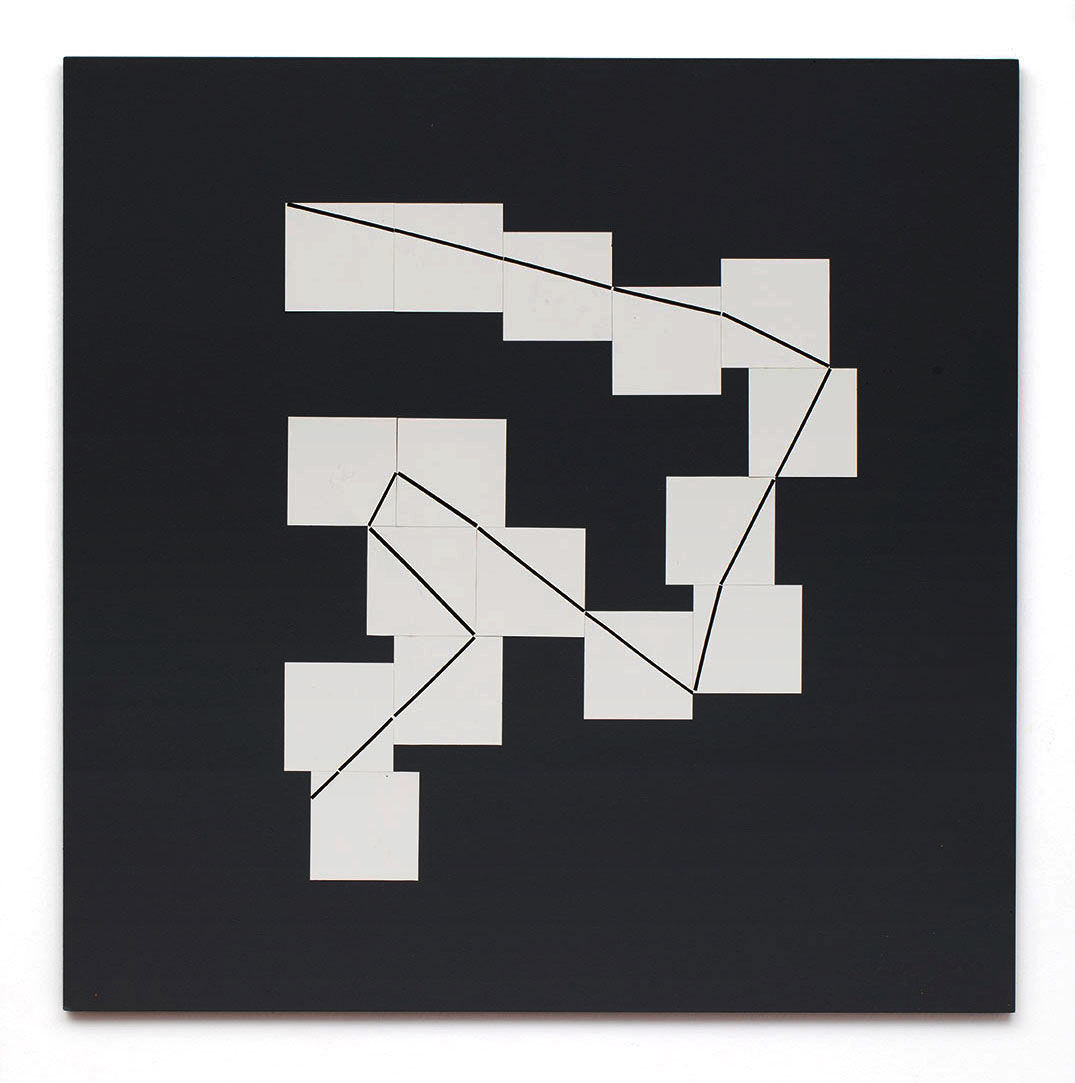 Gáyor Tibor: Átlós törések folyamatossága I | Dimetrical Fractures, 2004