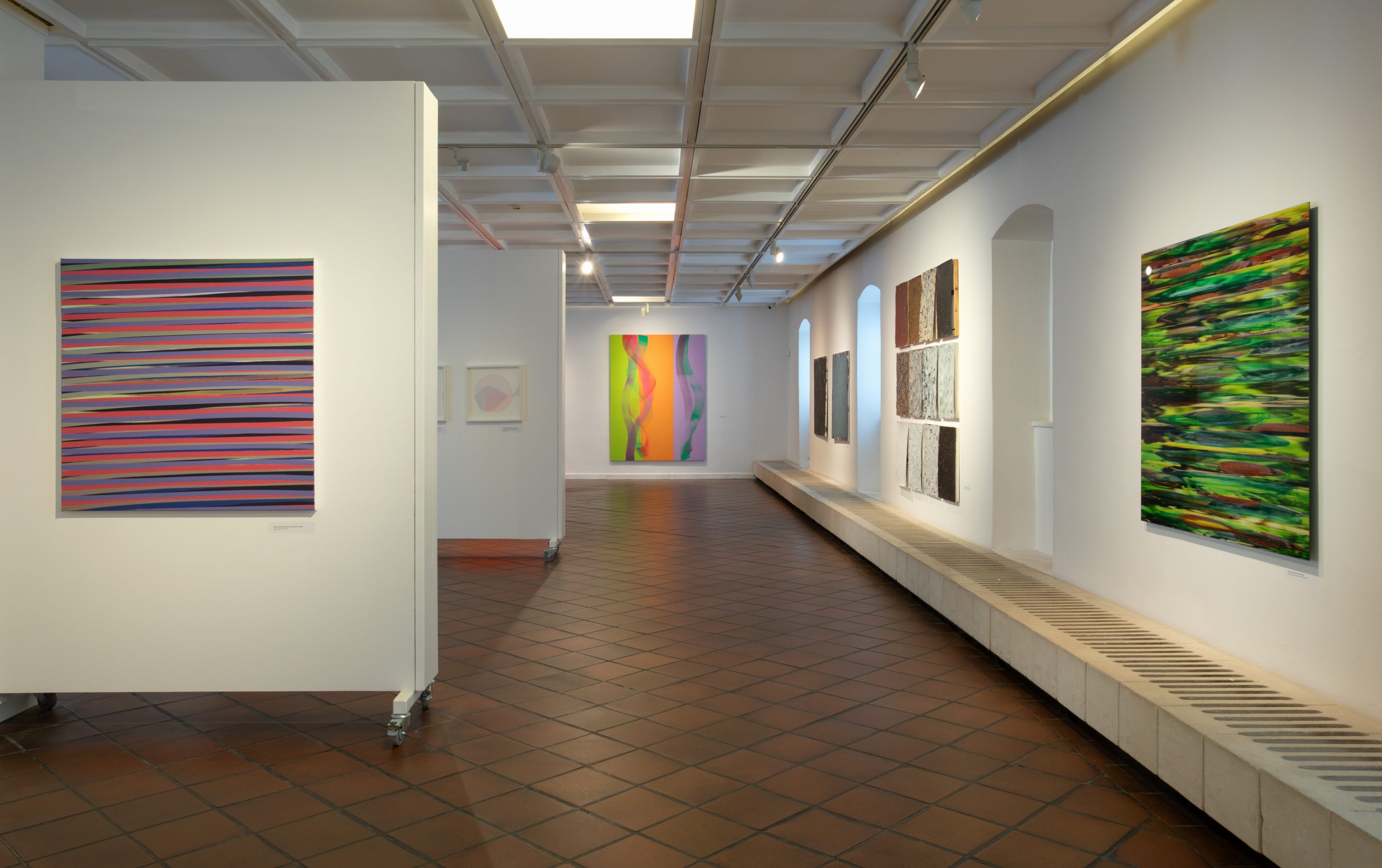
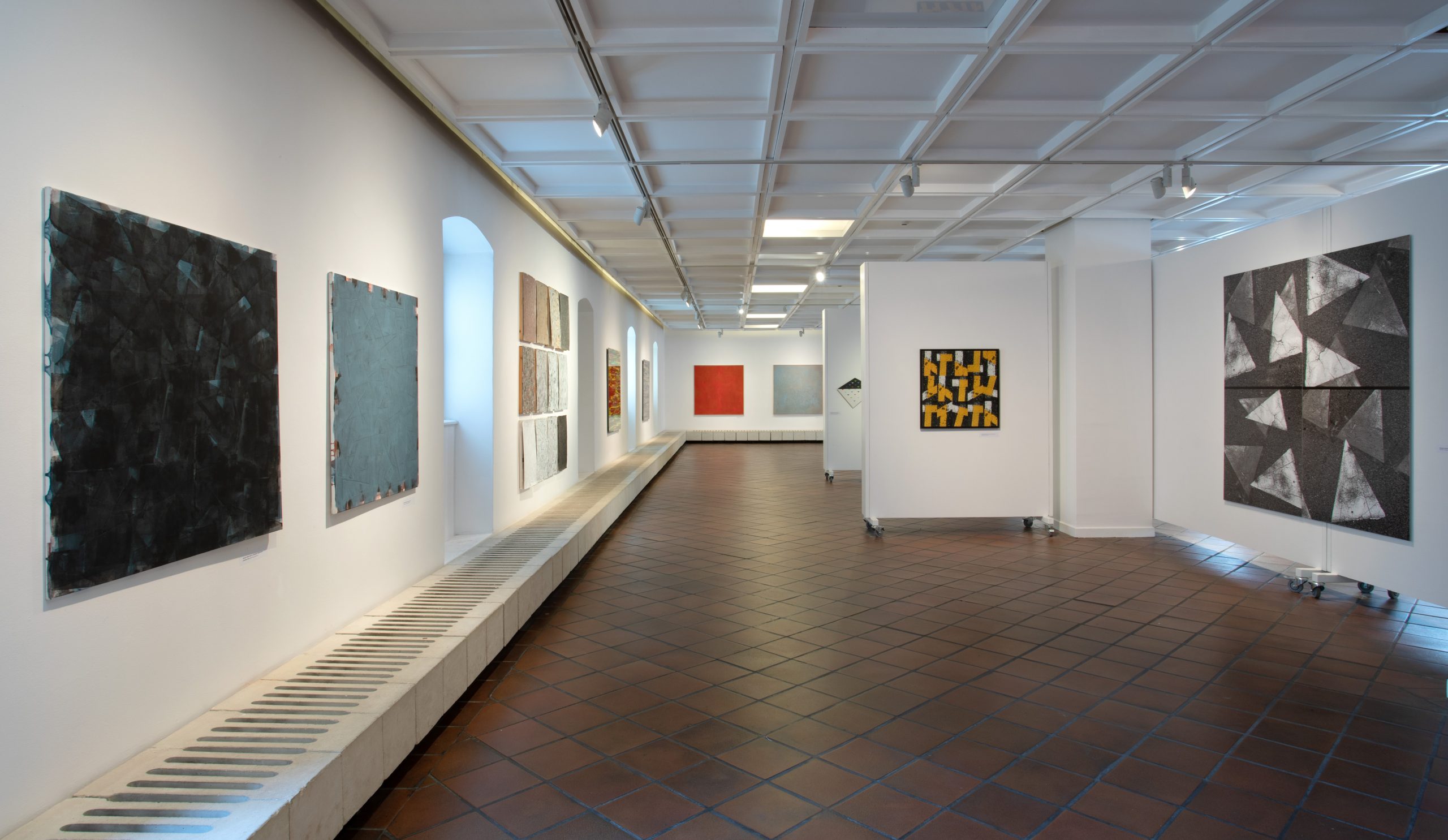
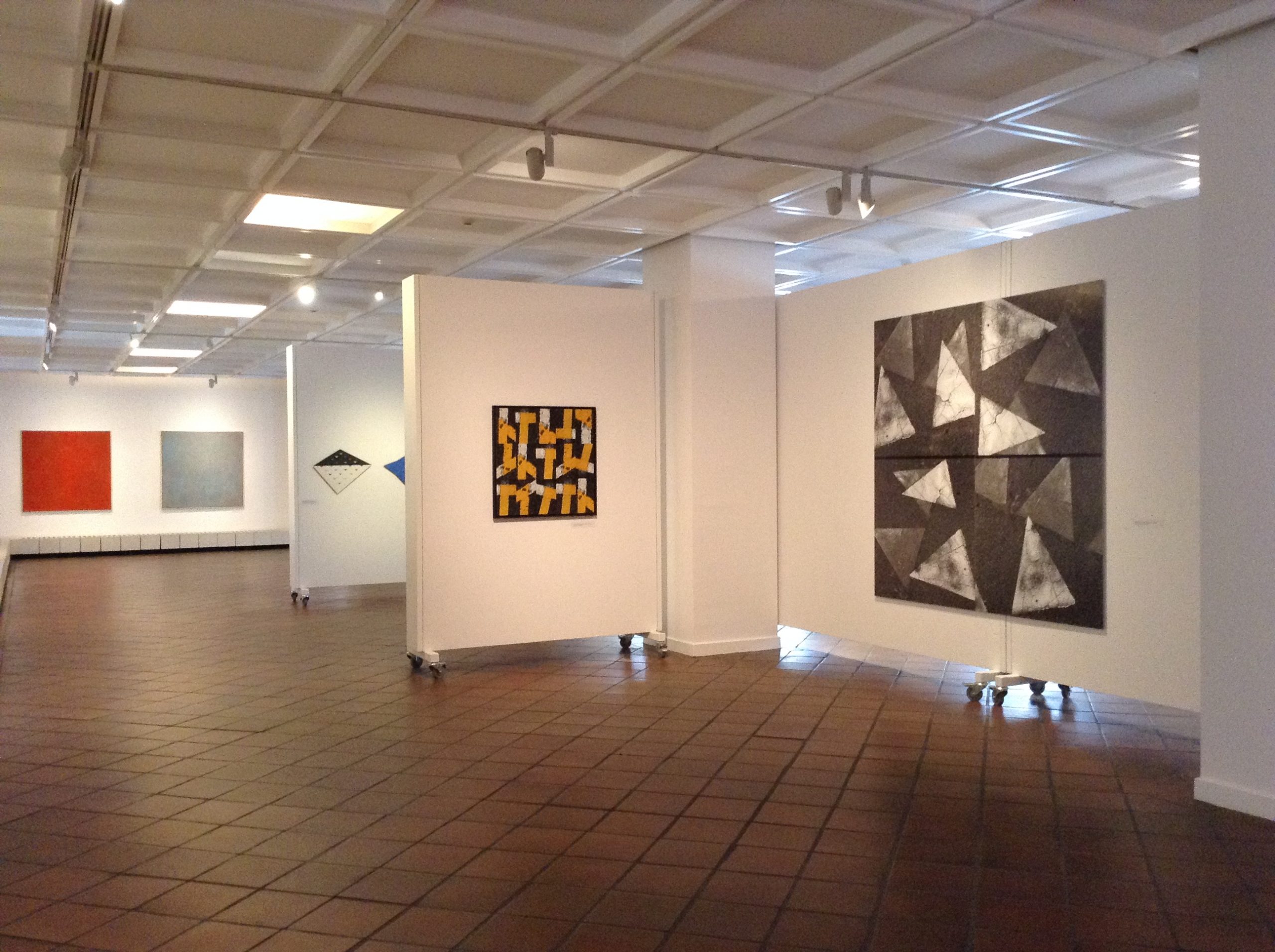
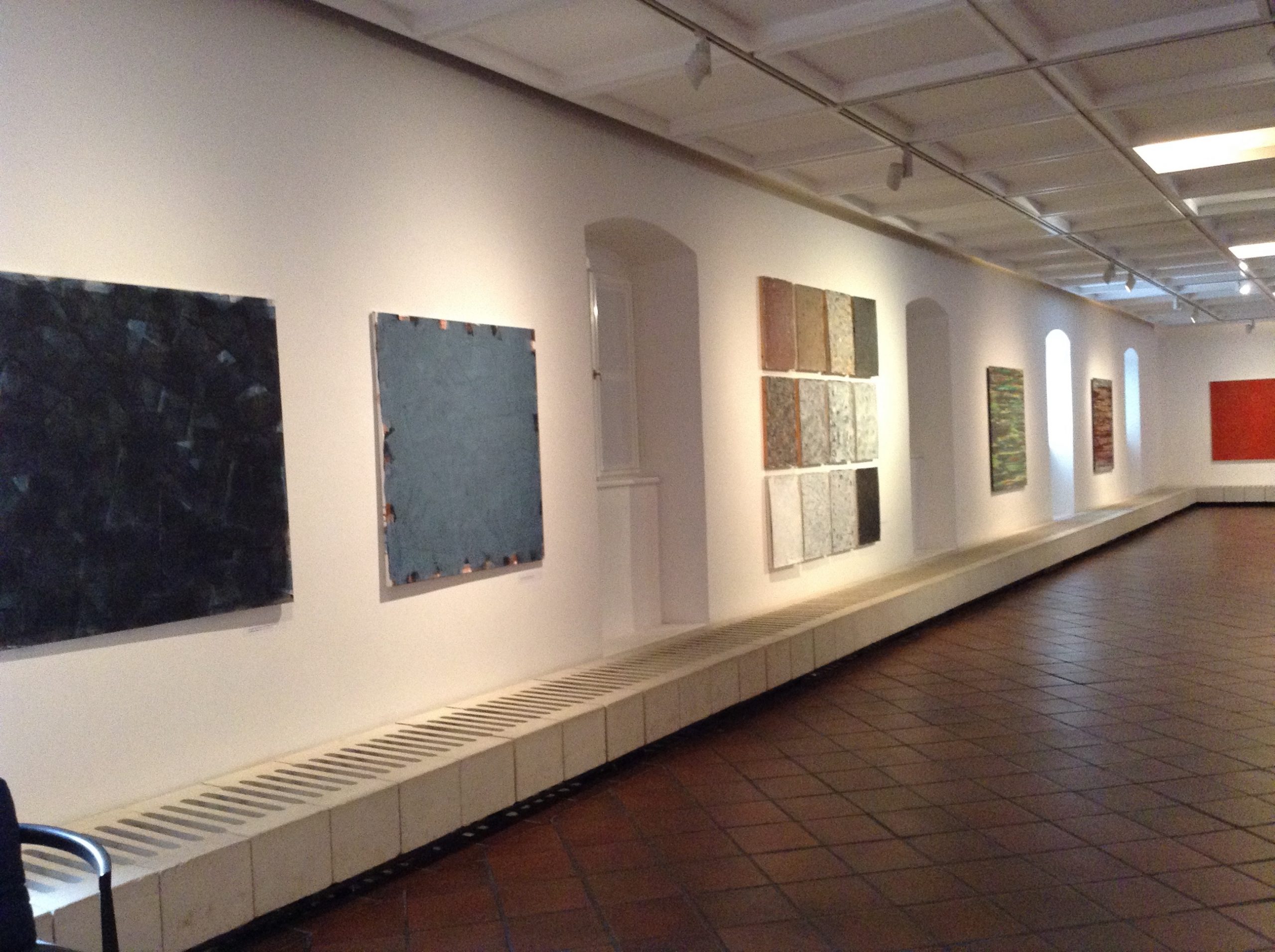
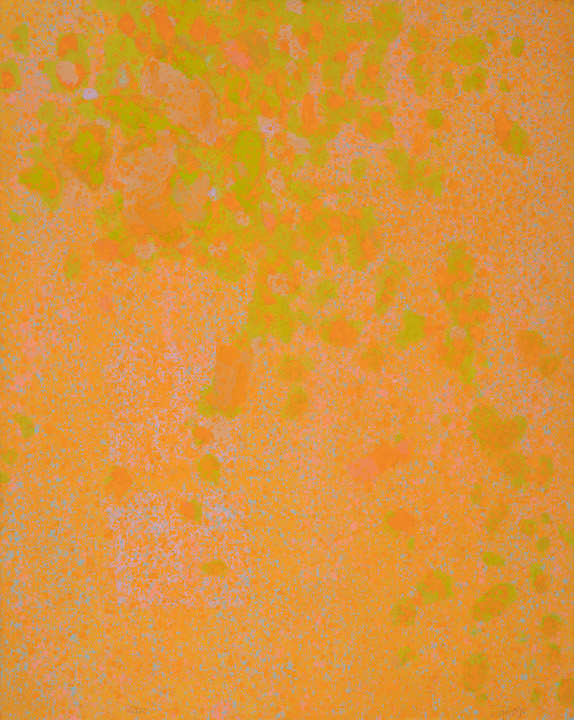
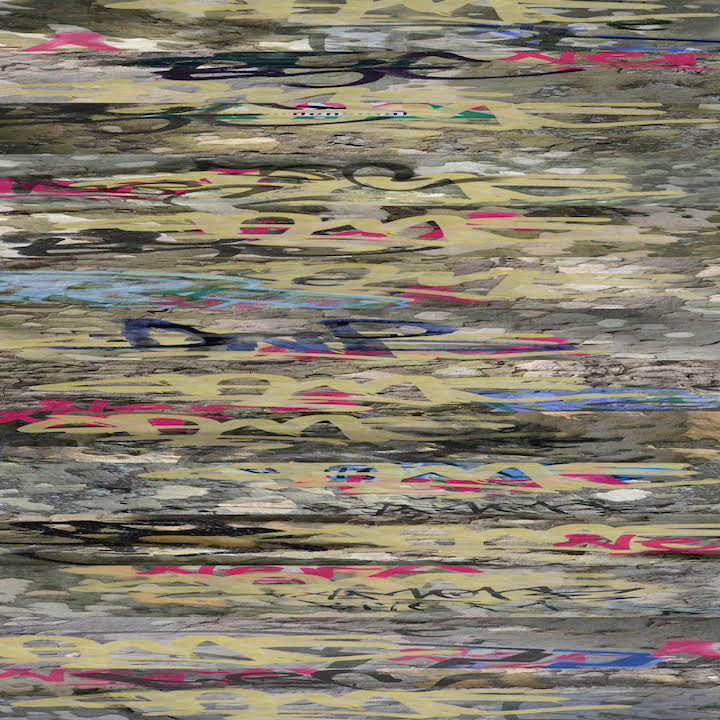
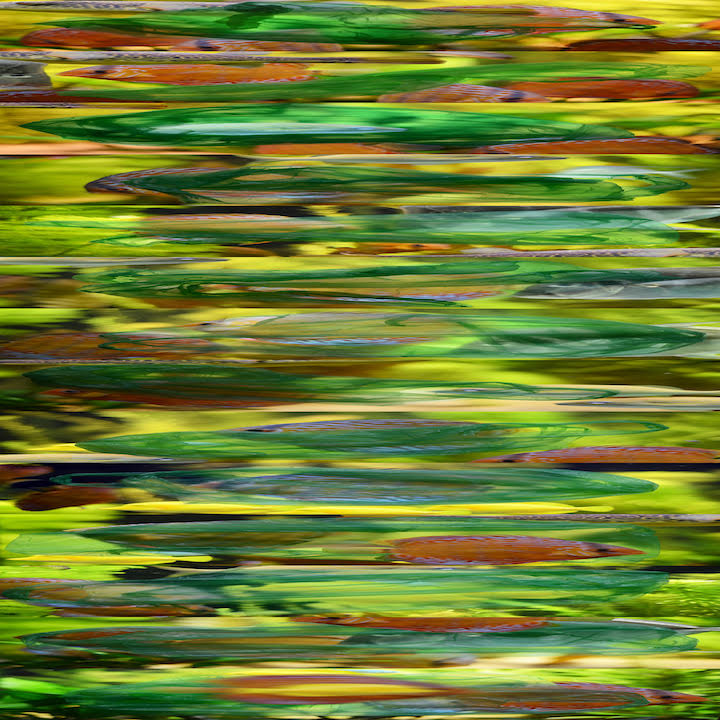
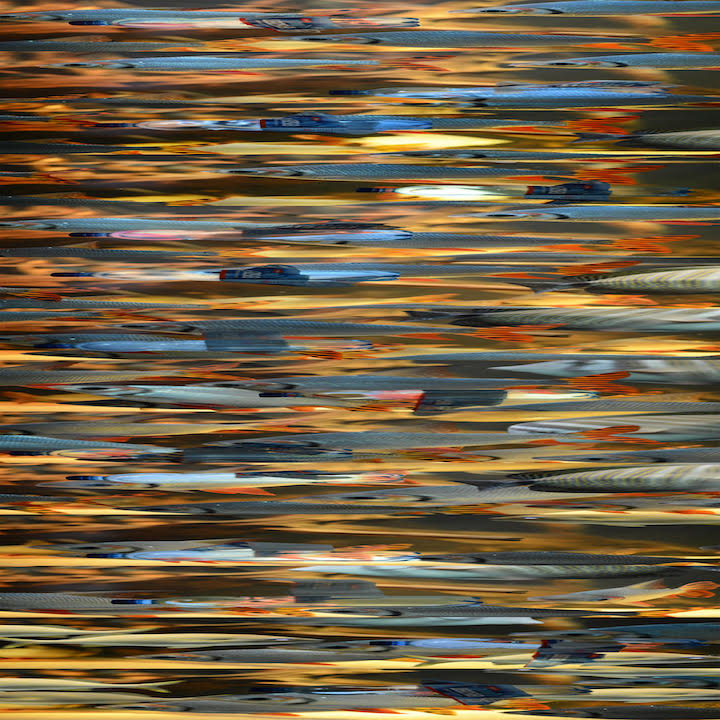
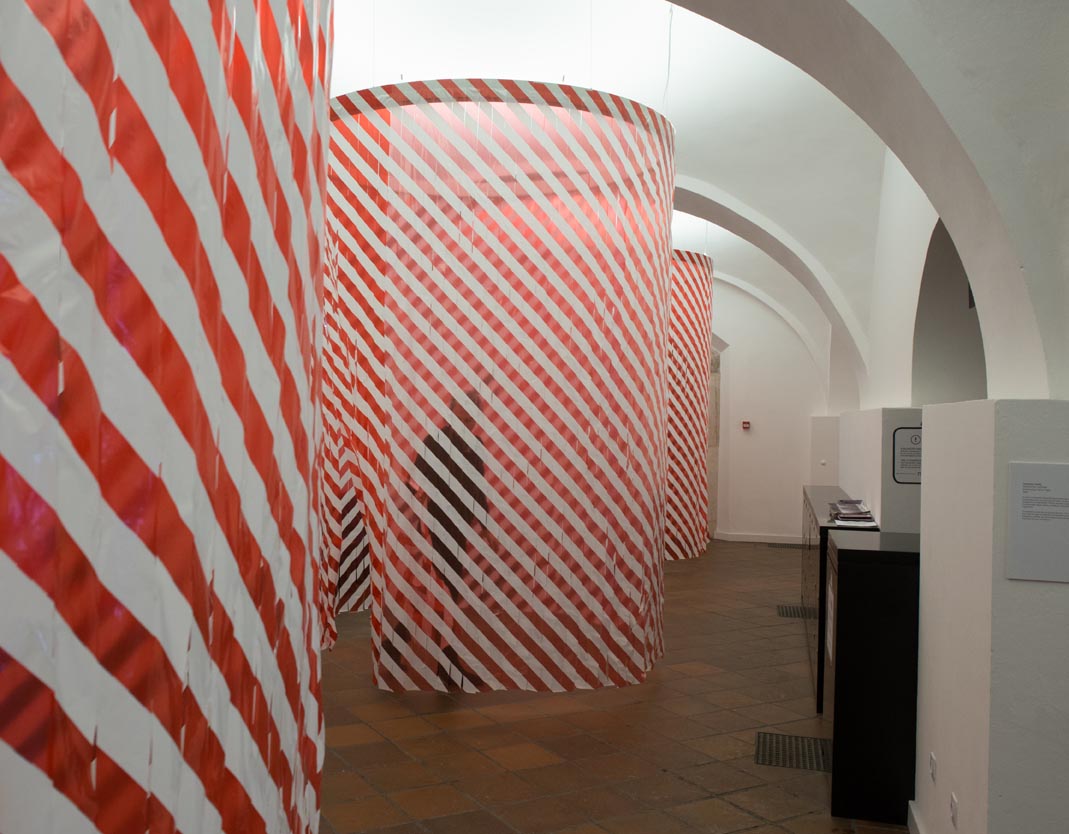
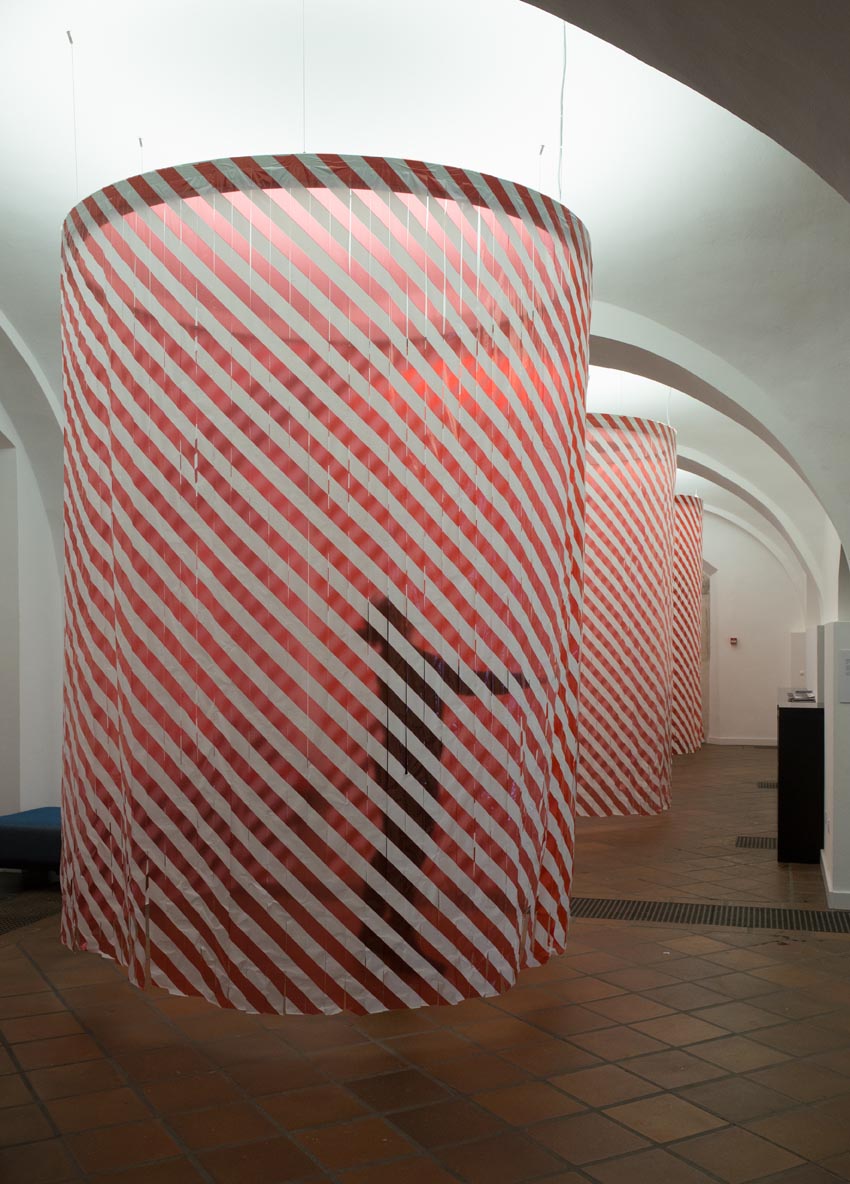
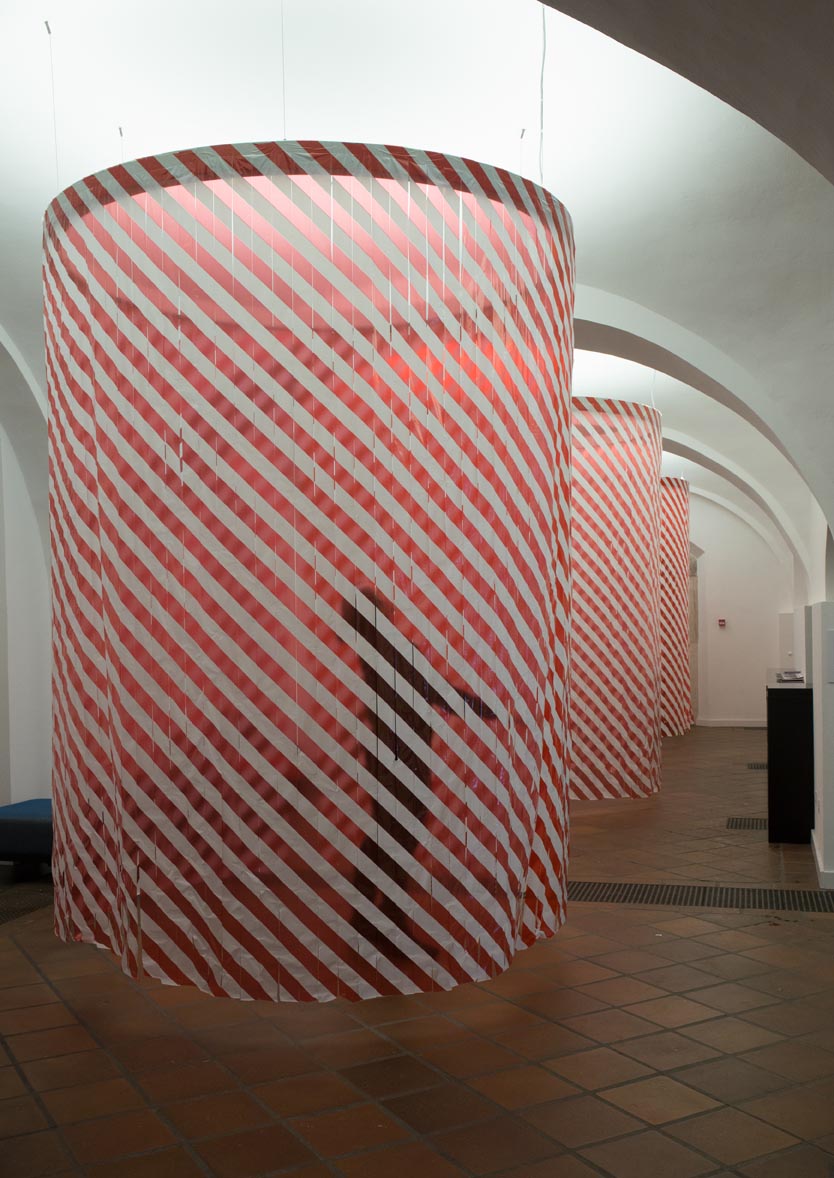
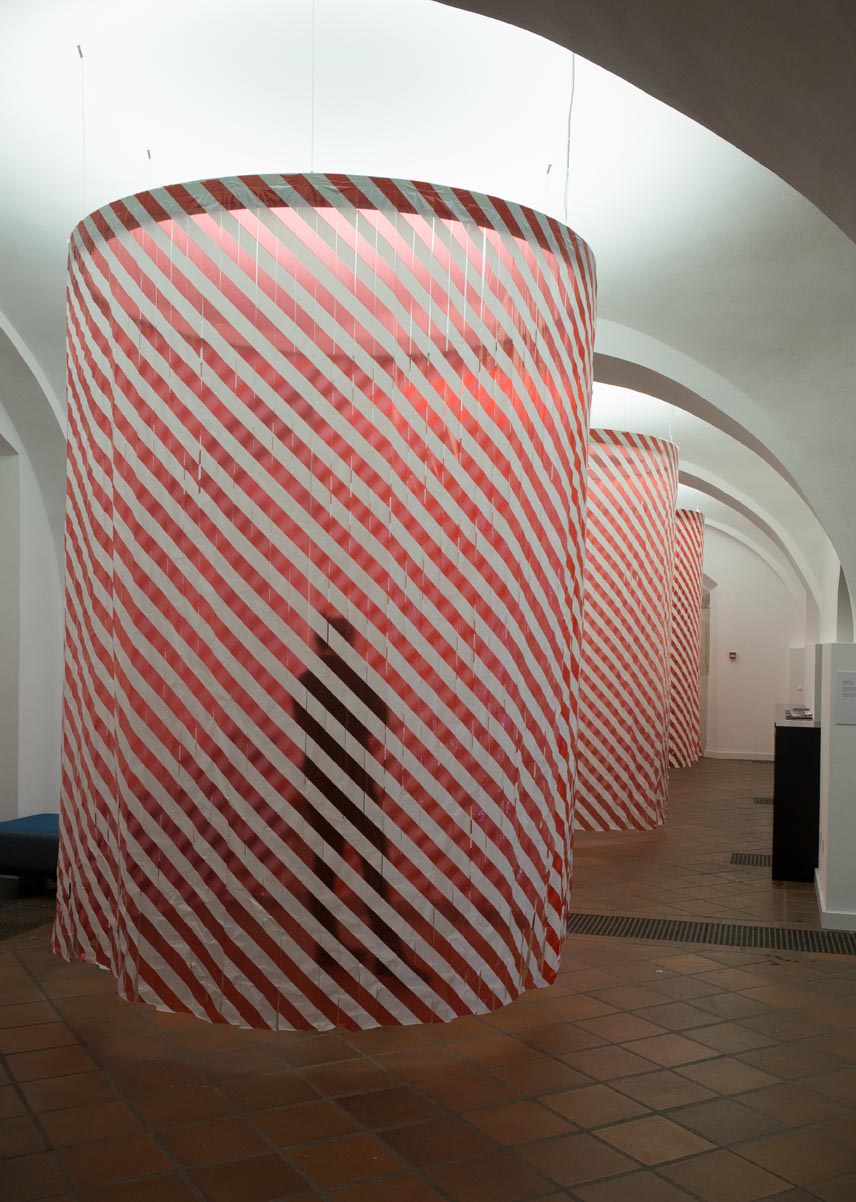
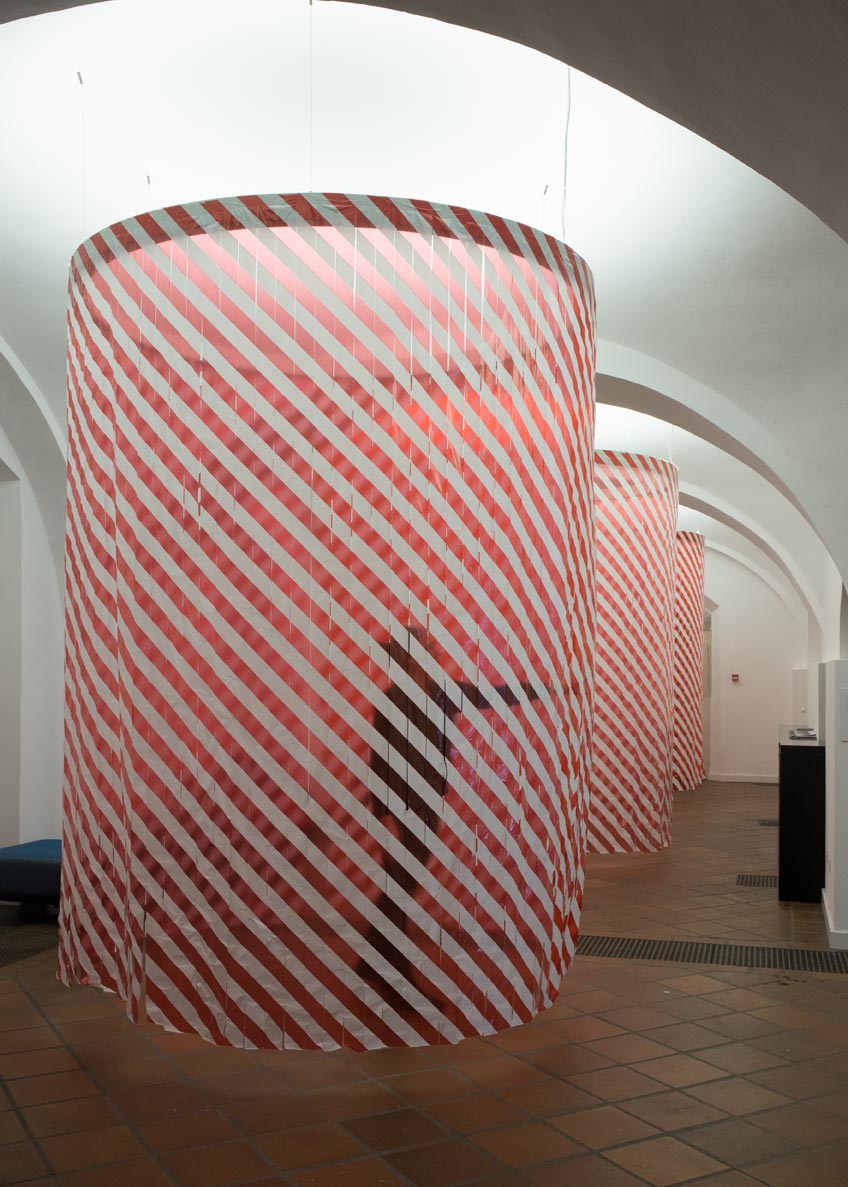
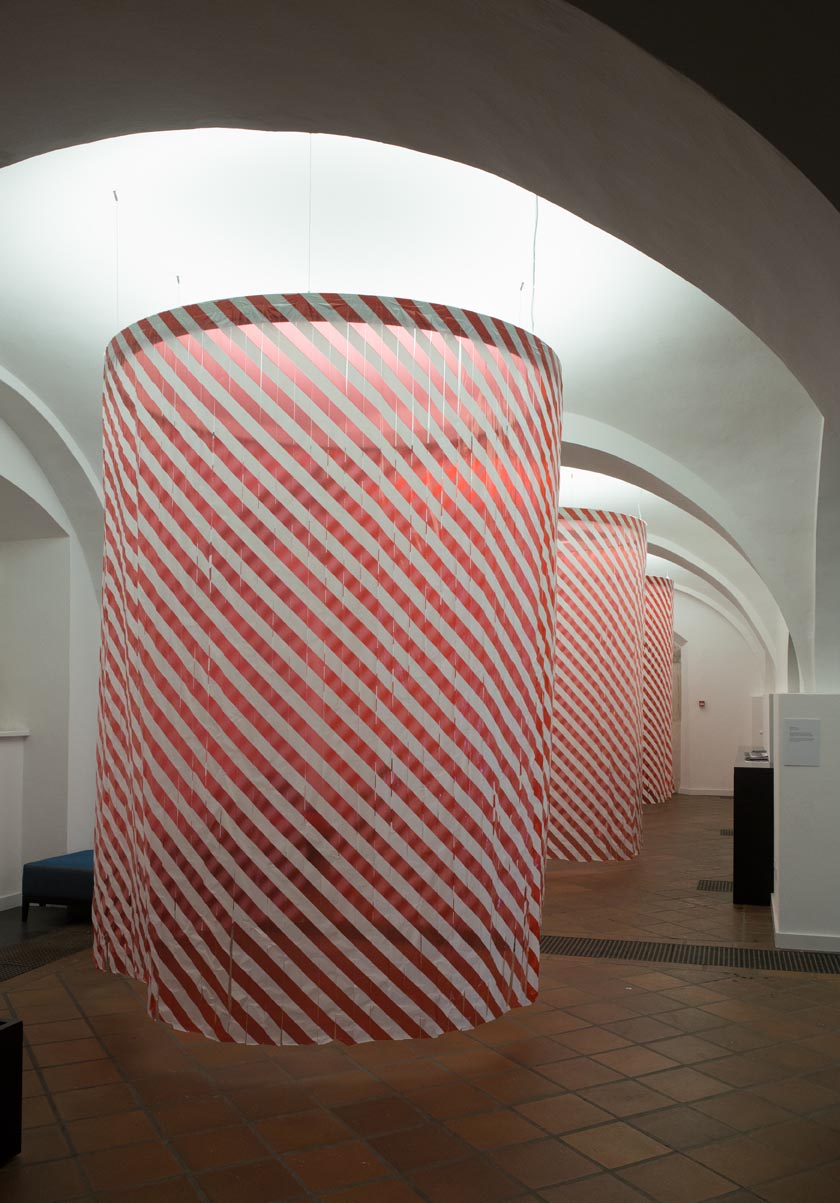
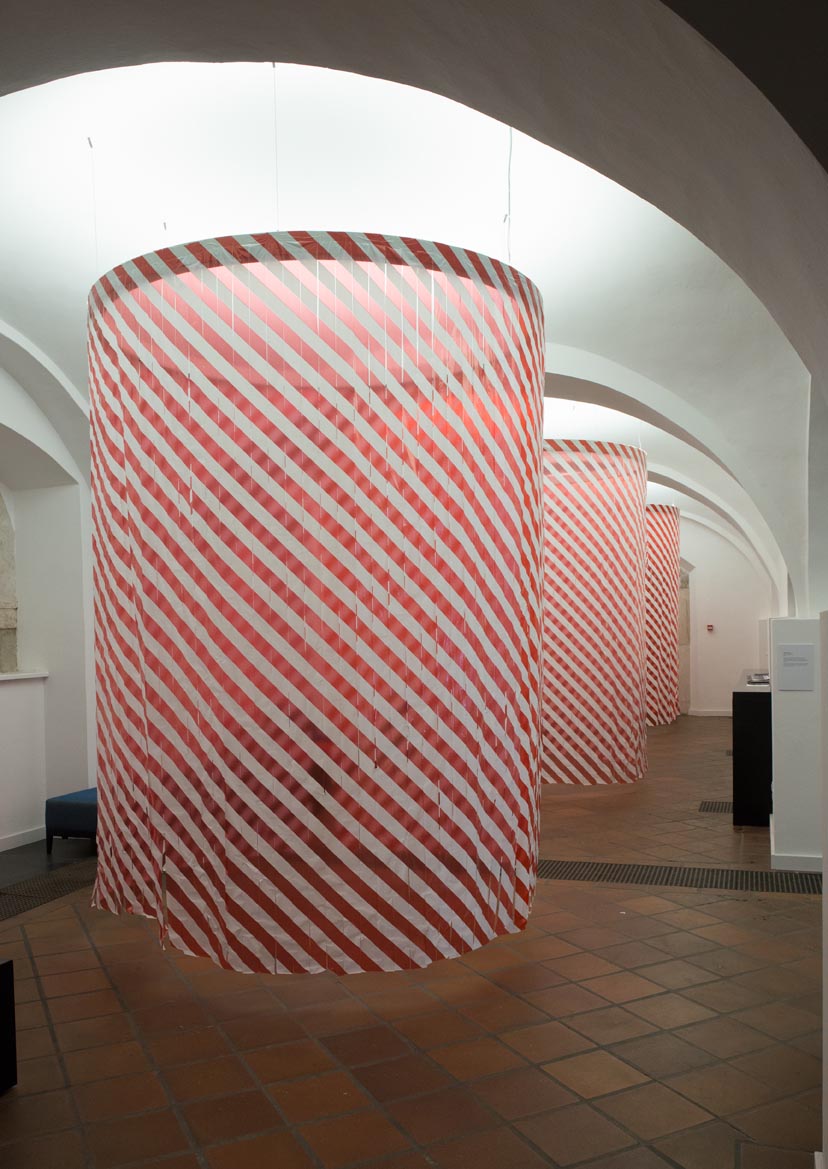
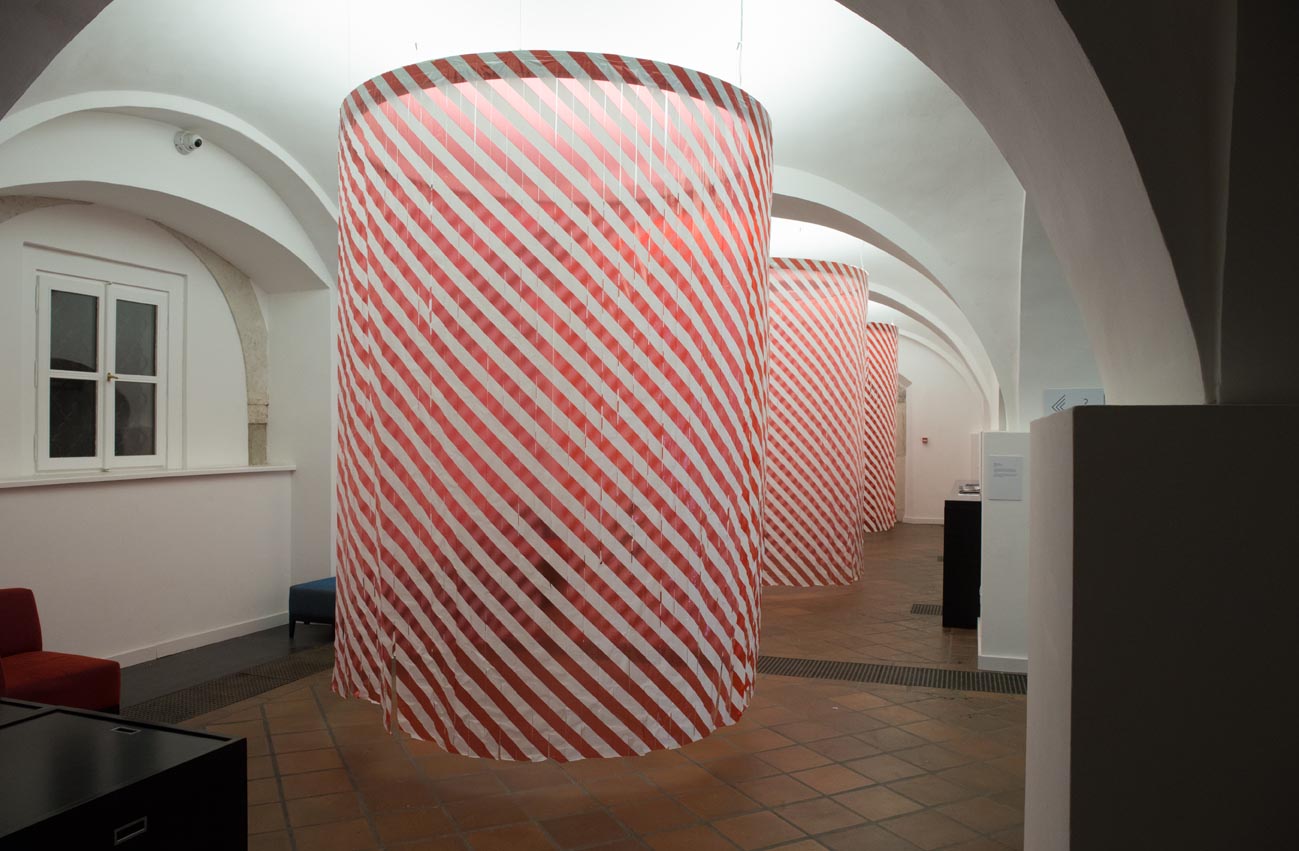
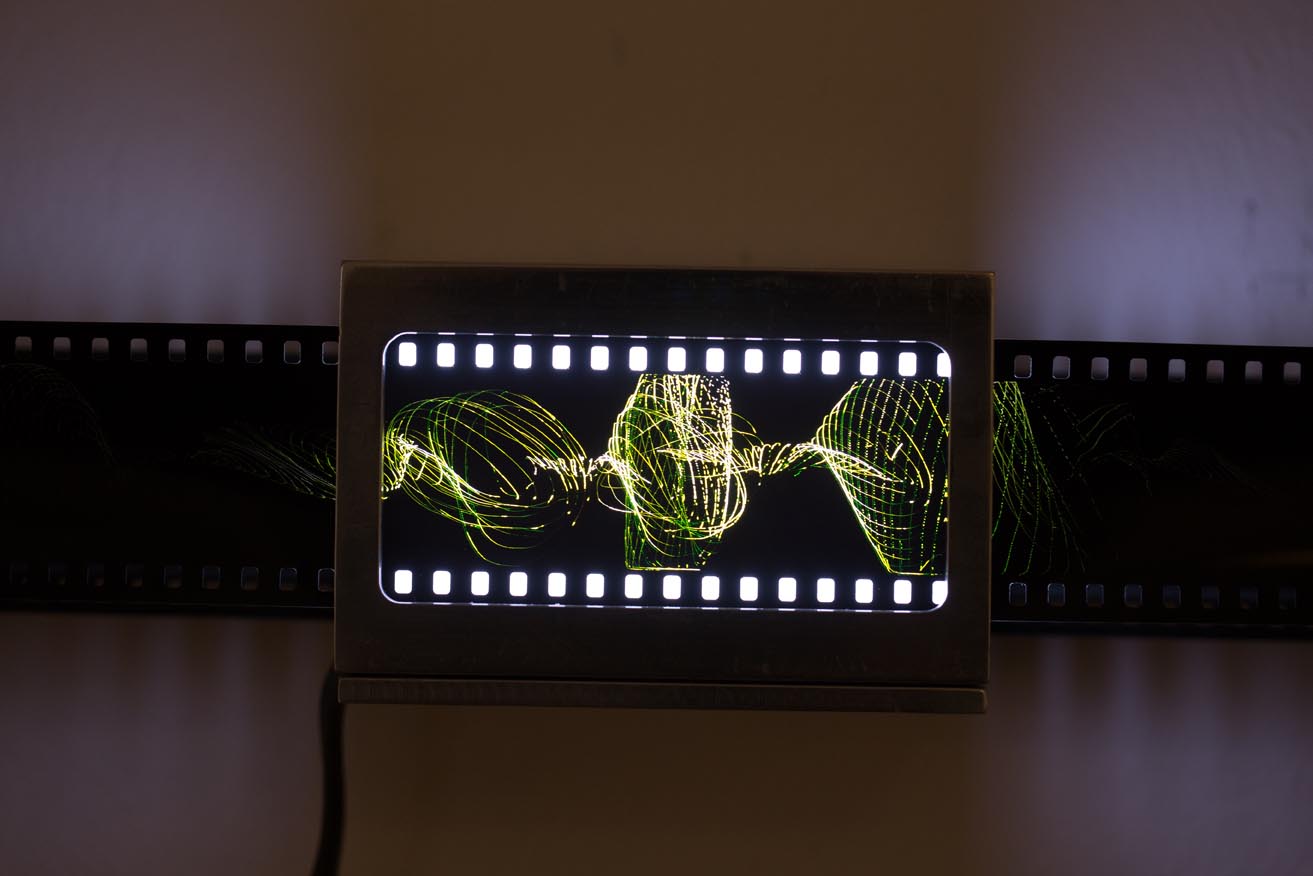
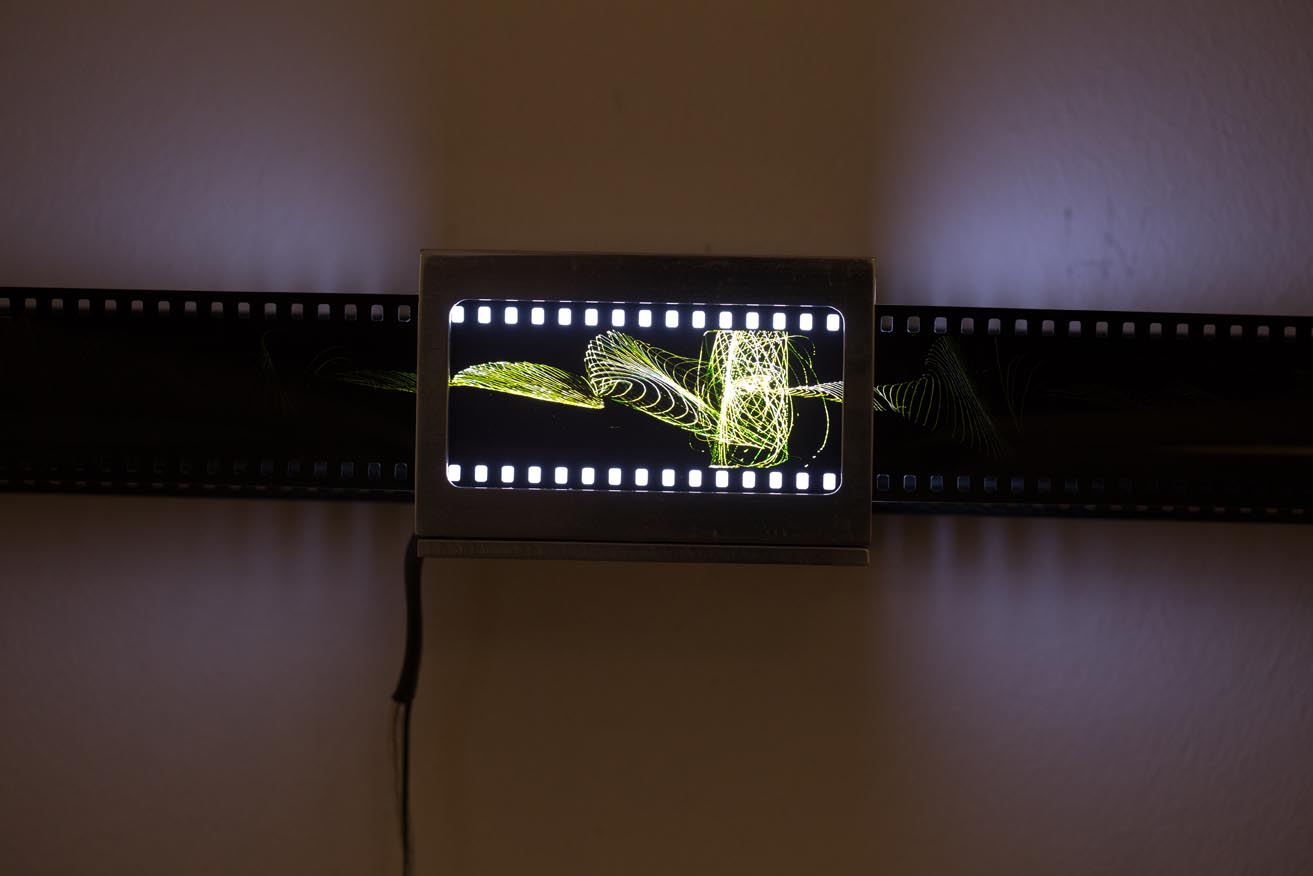
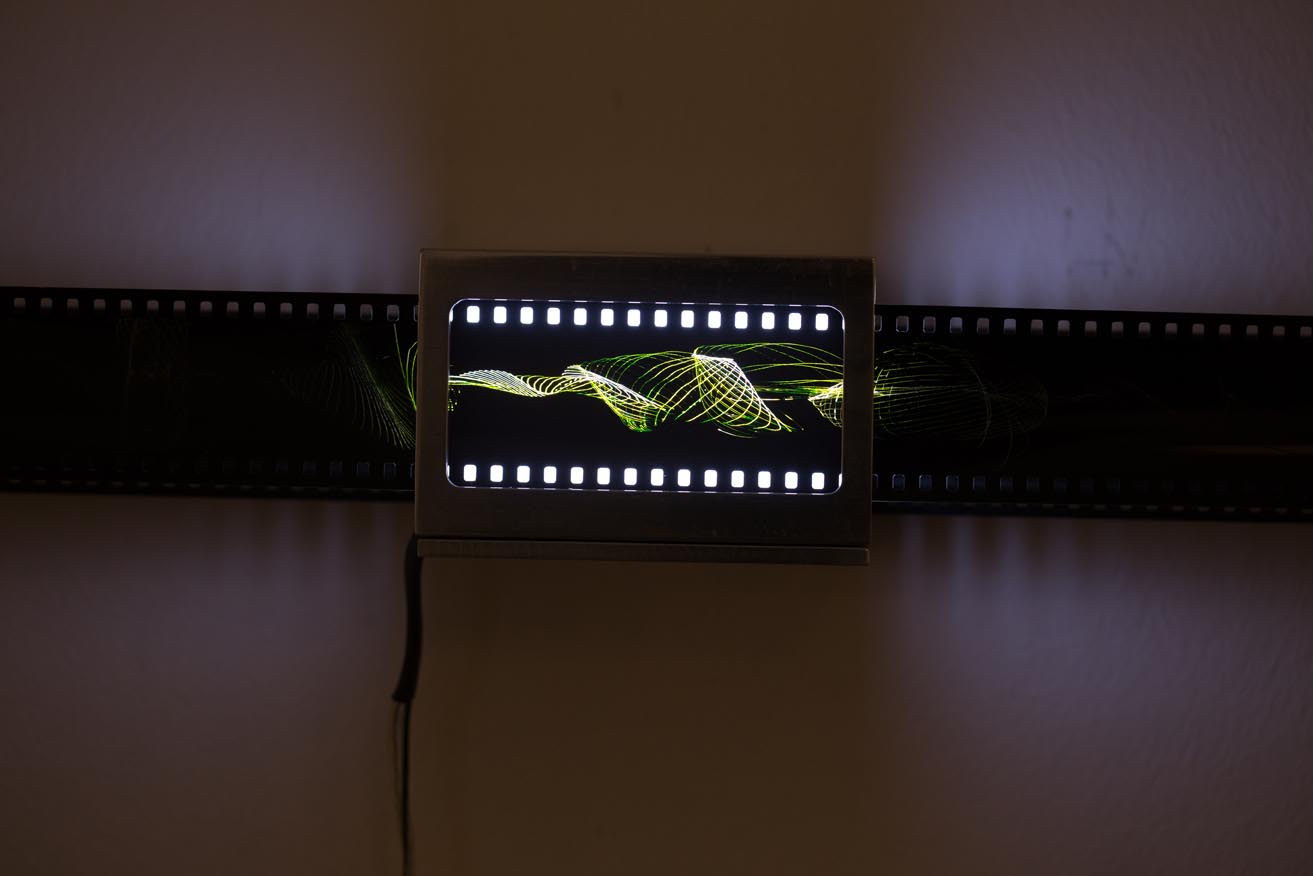
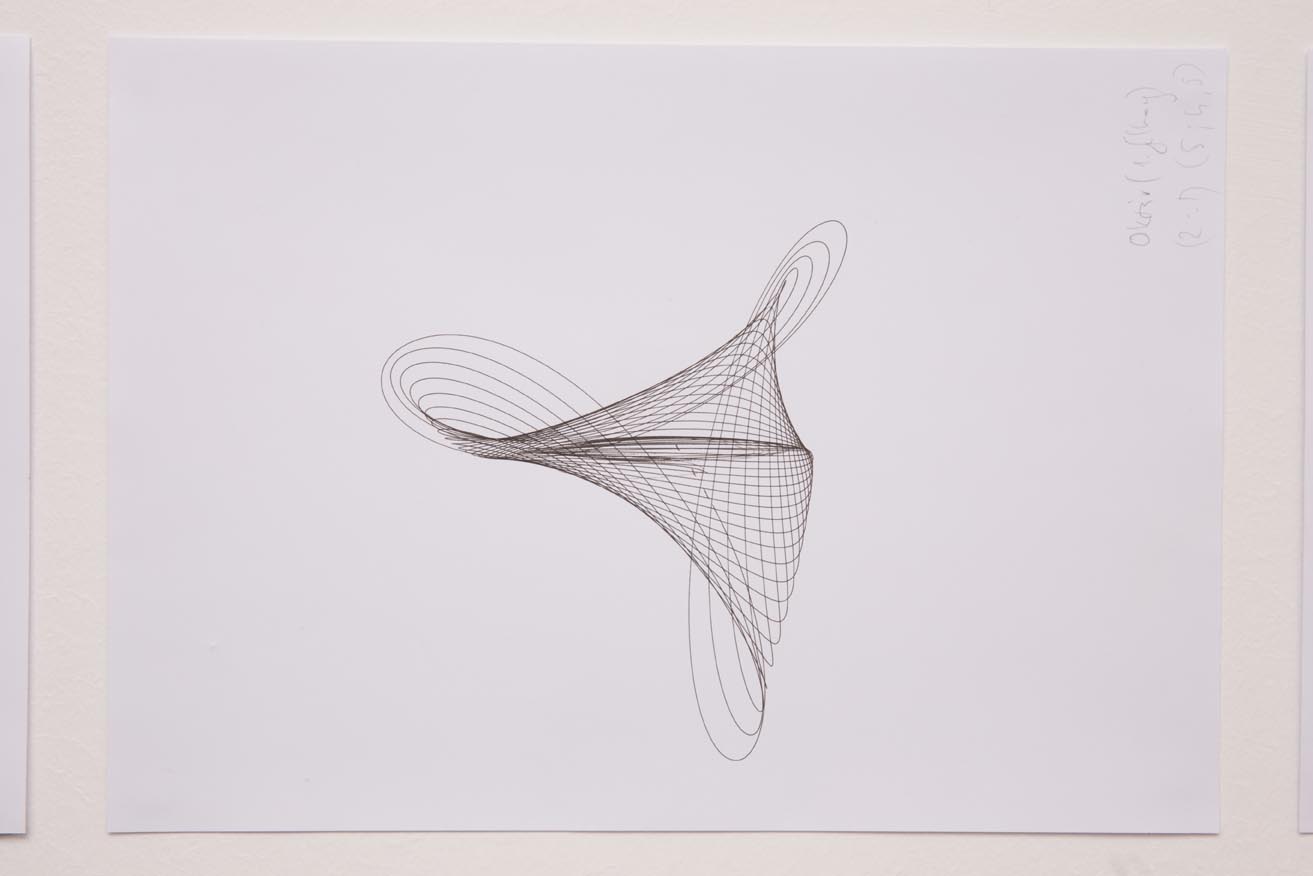
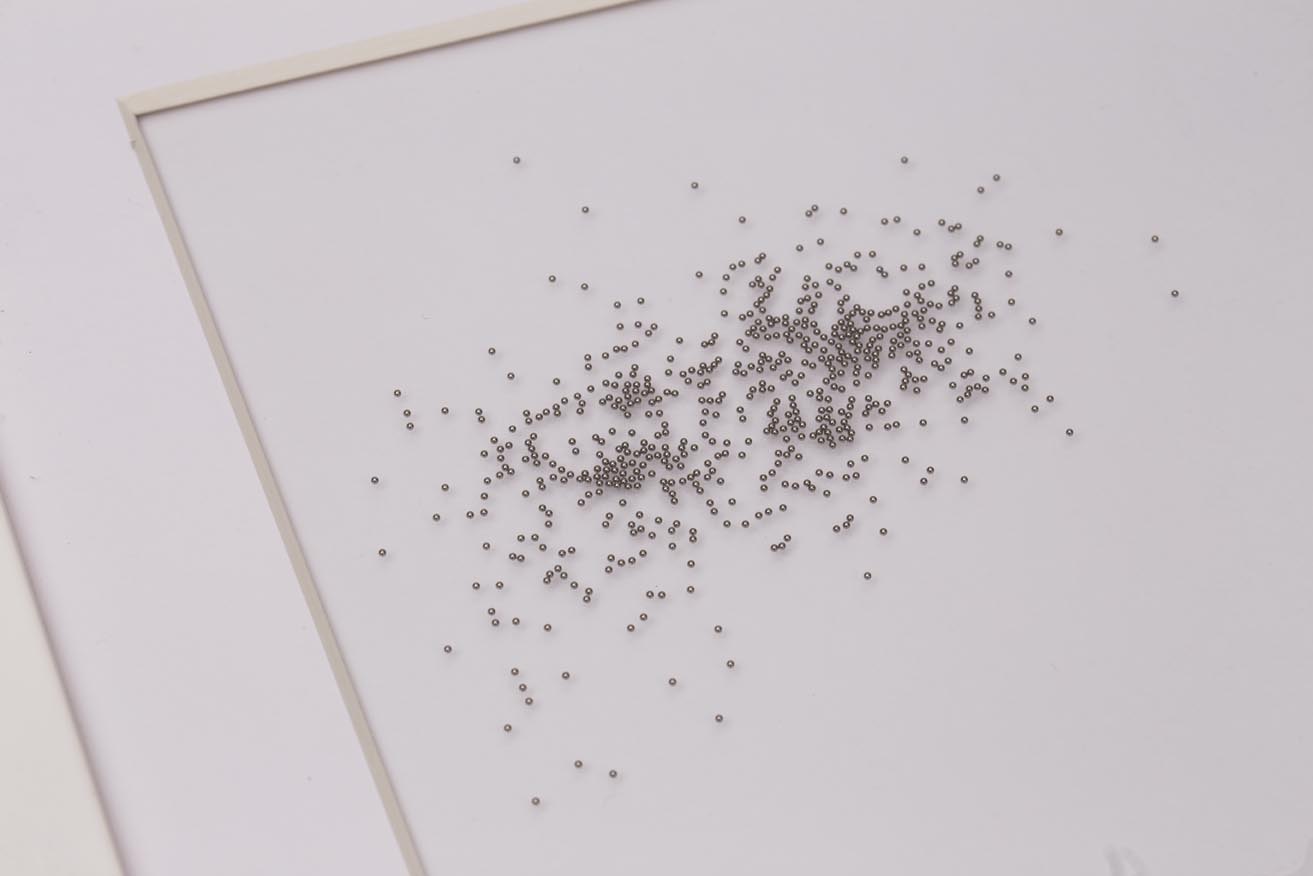
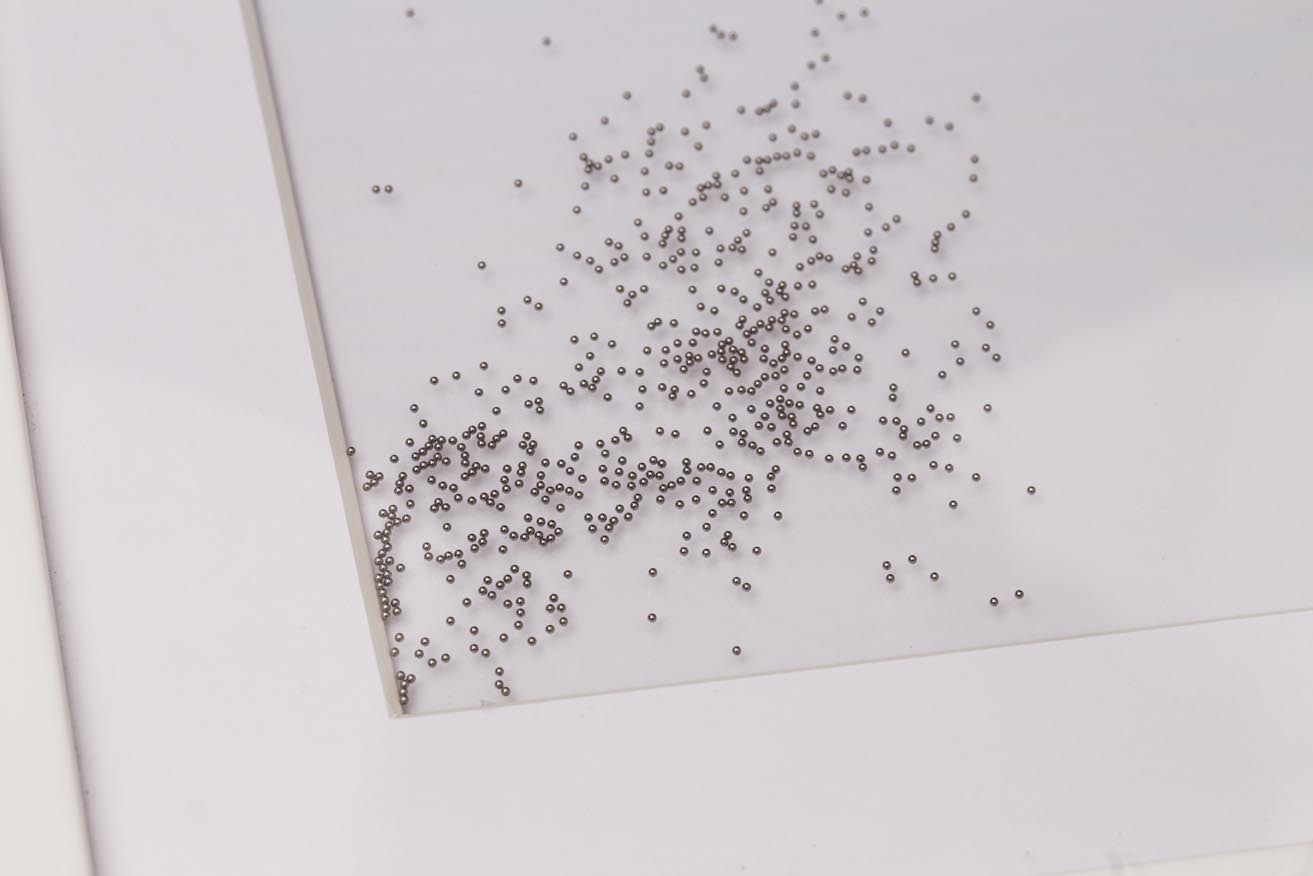
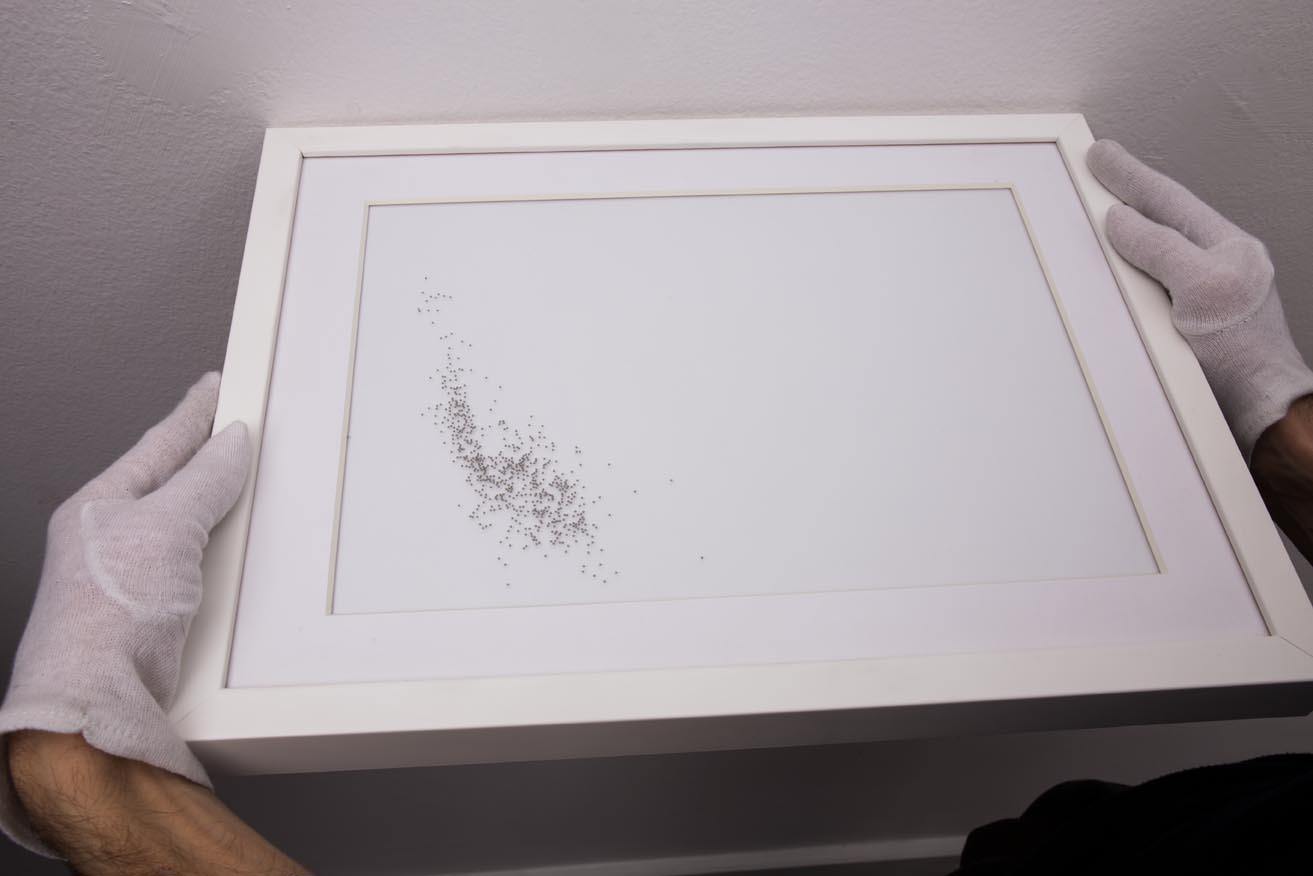
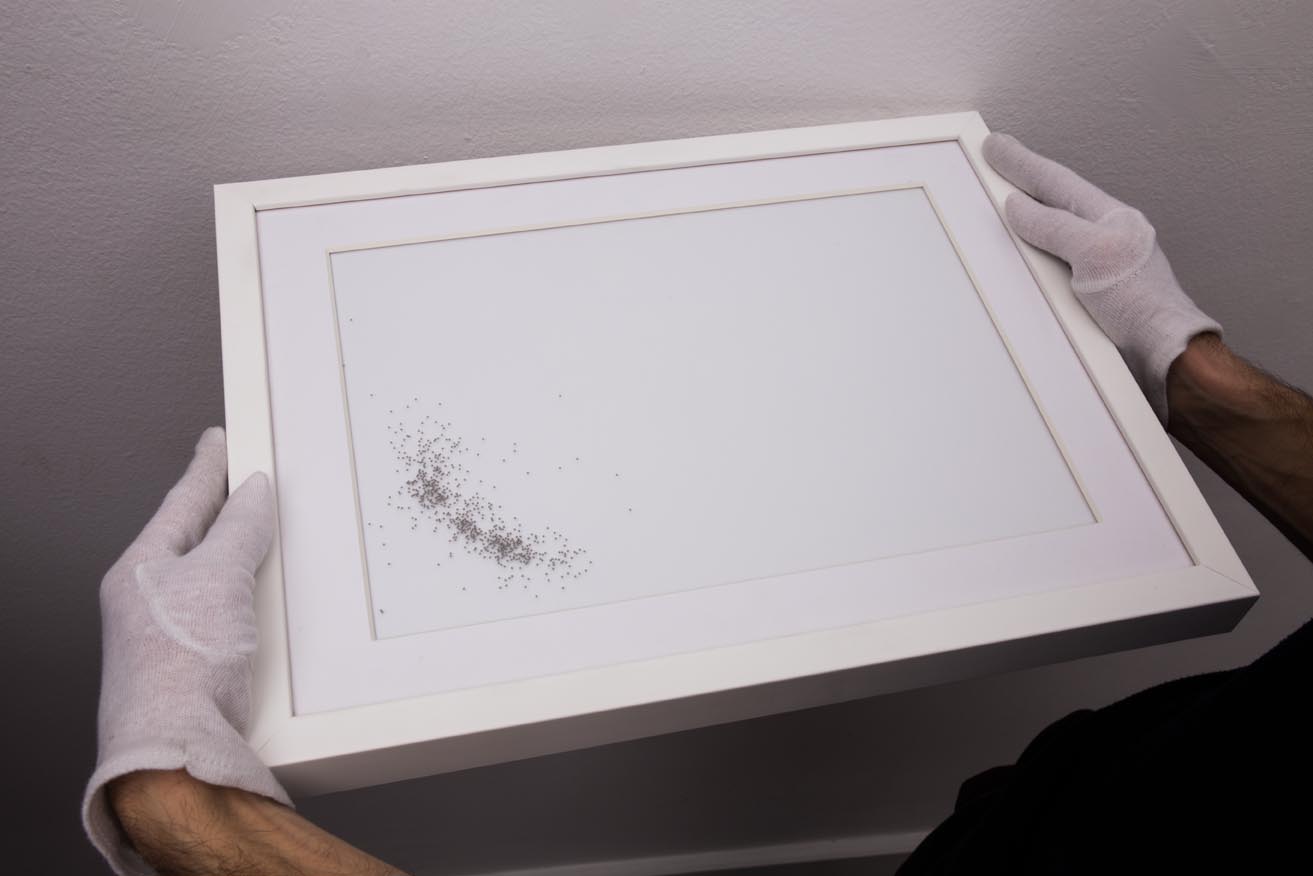
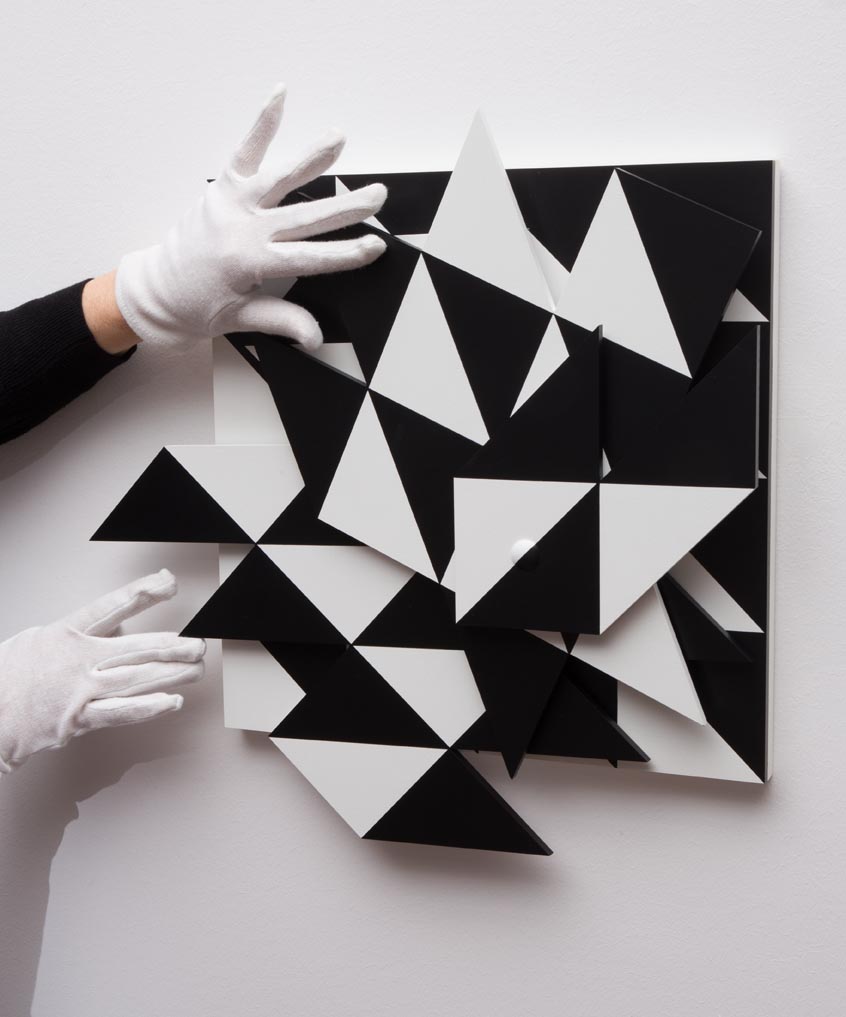
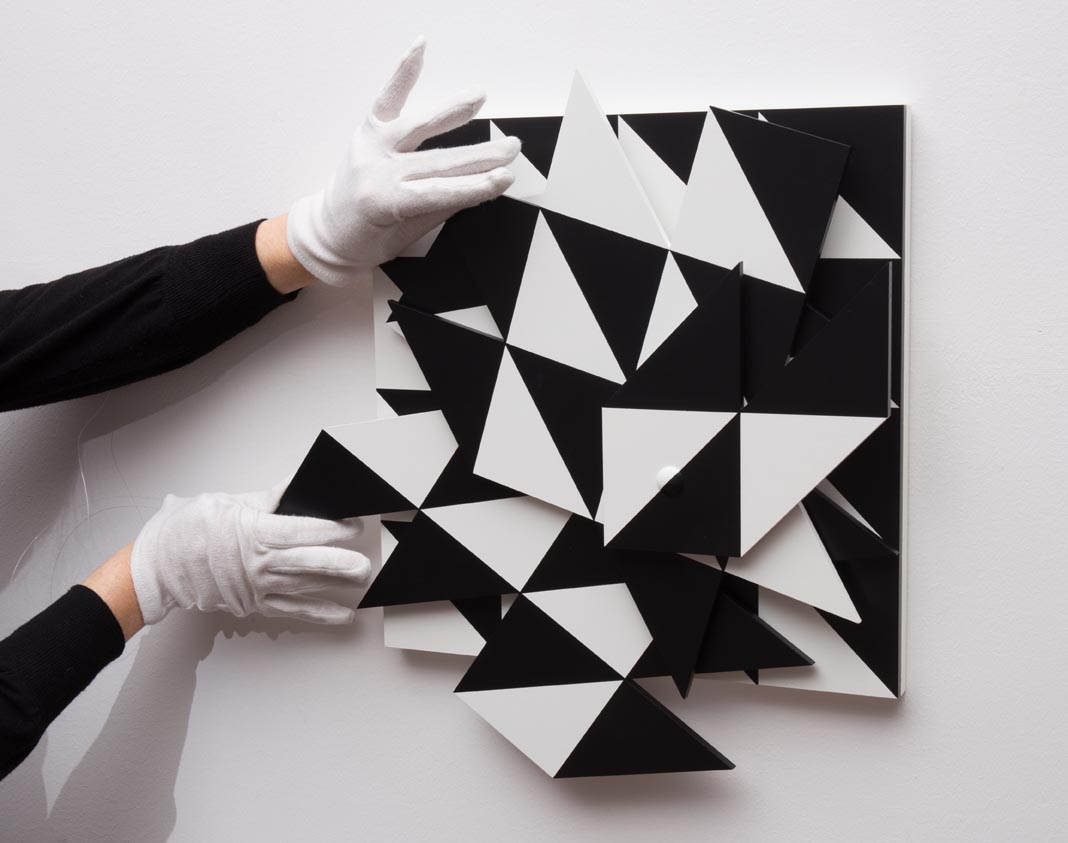
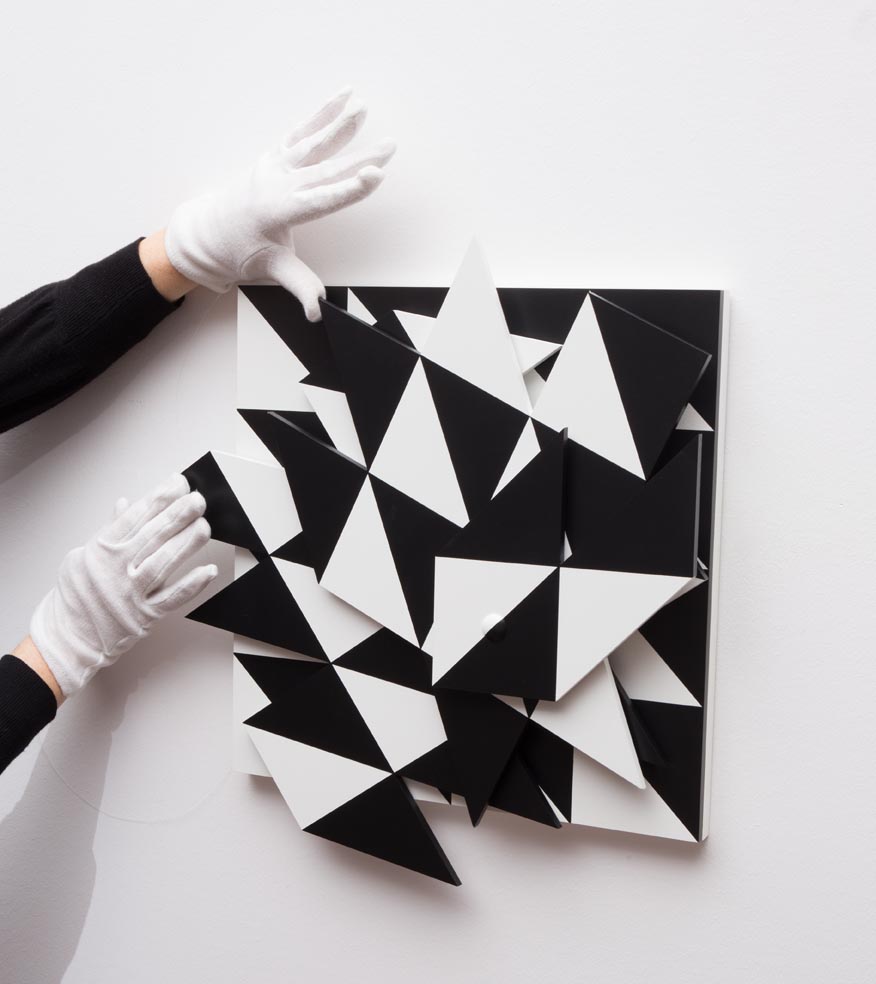
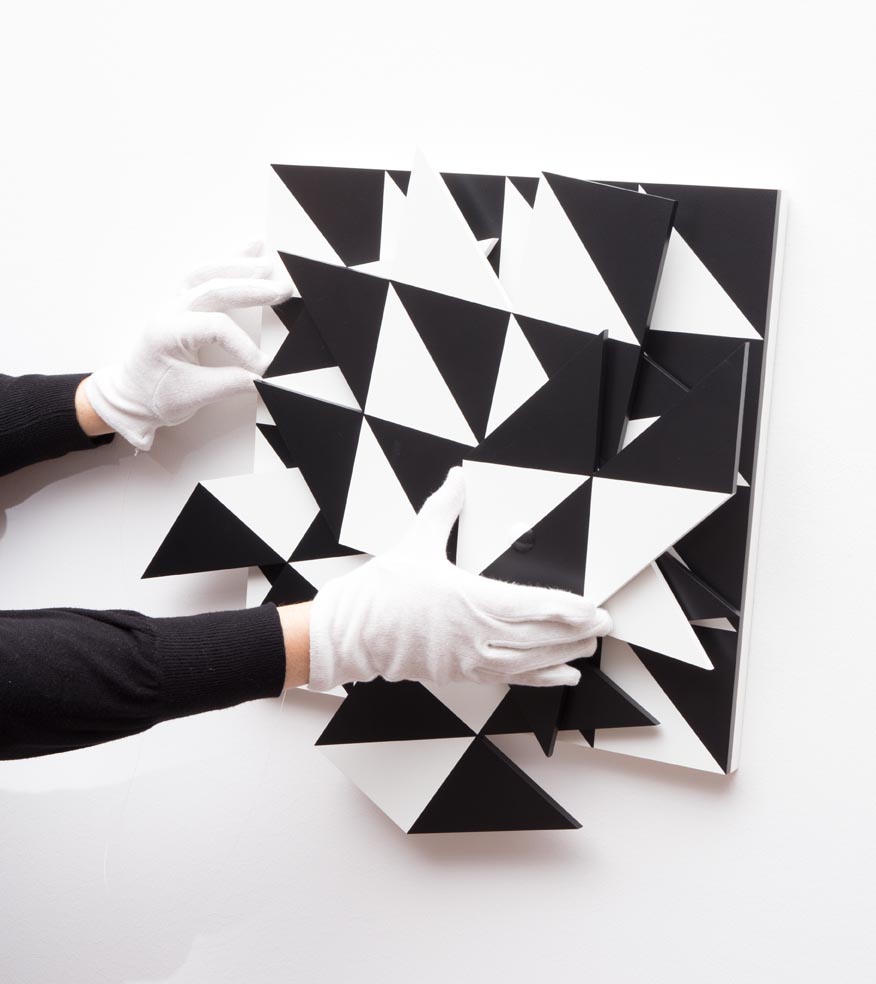
scroll down for english
Vasarely Múzeum, Budapest 2019. október. 10. – 2020. március 15.
A kiállítást a 95 éves Vera Molnarnak ajánljuk.
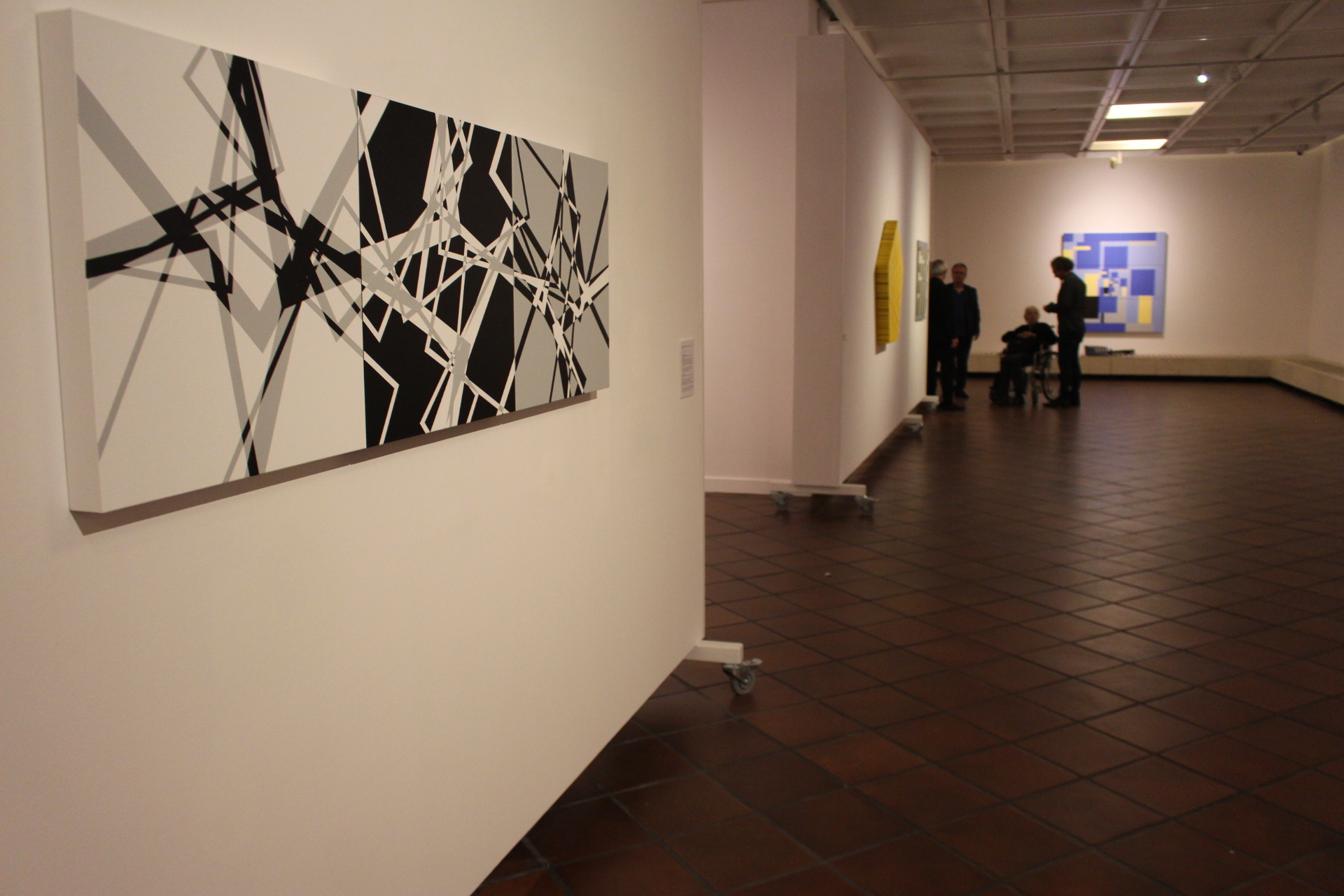
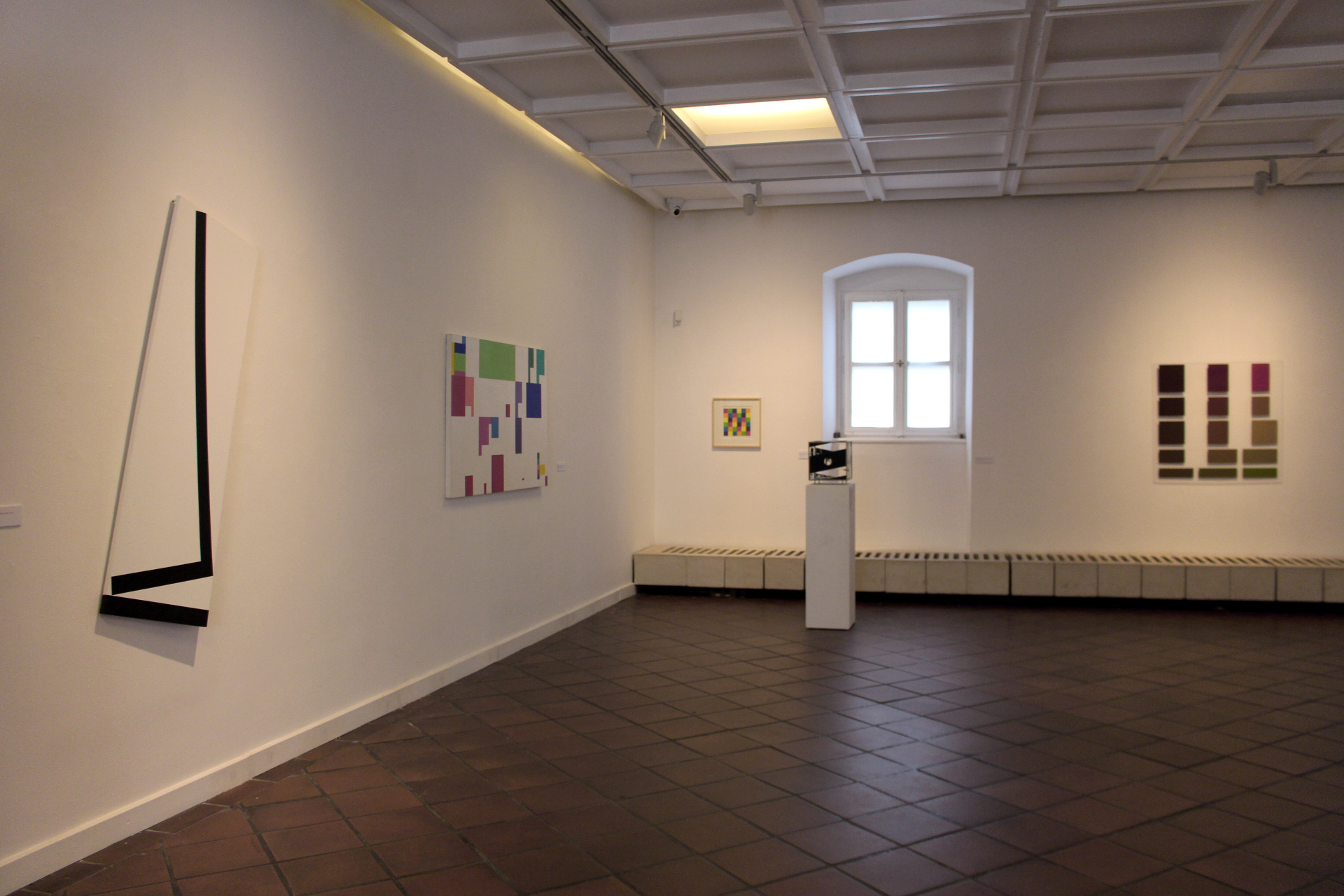
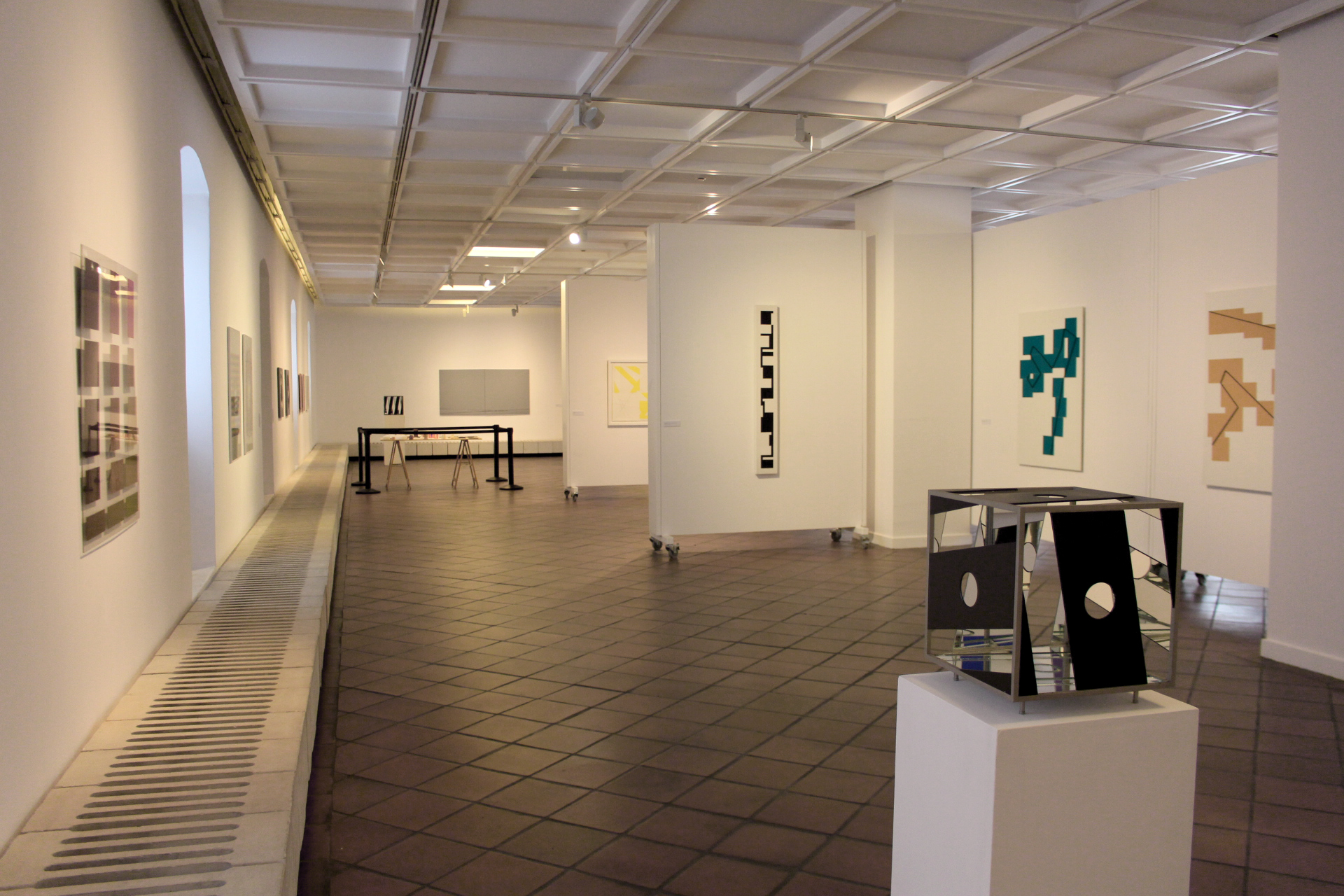
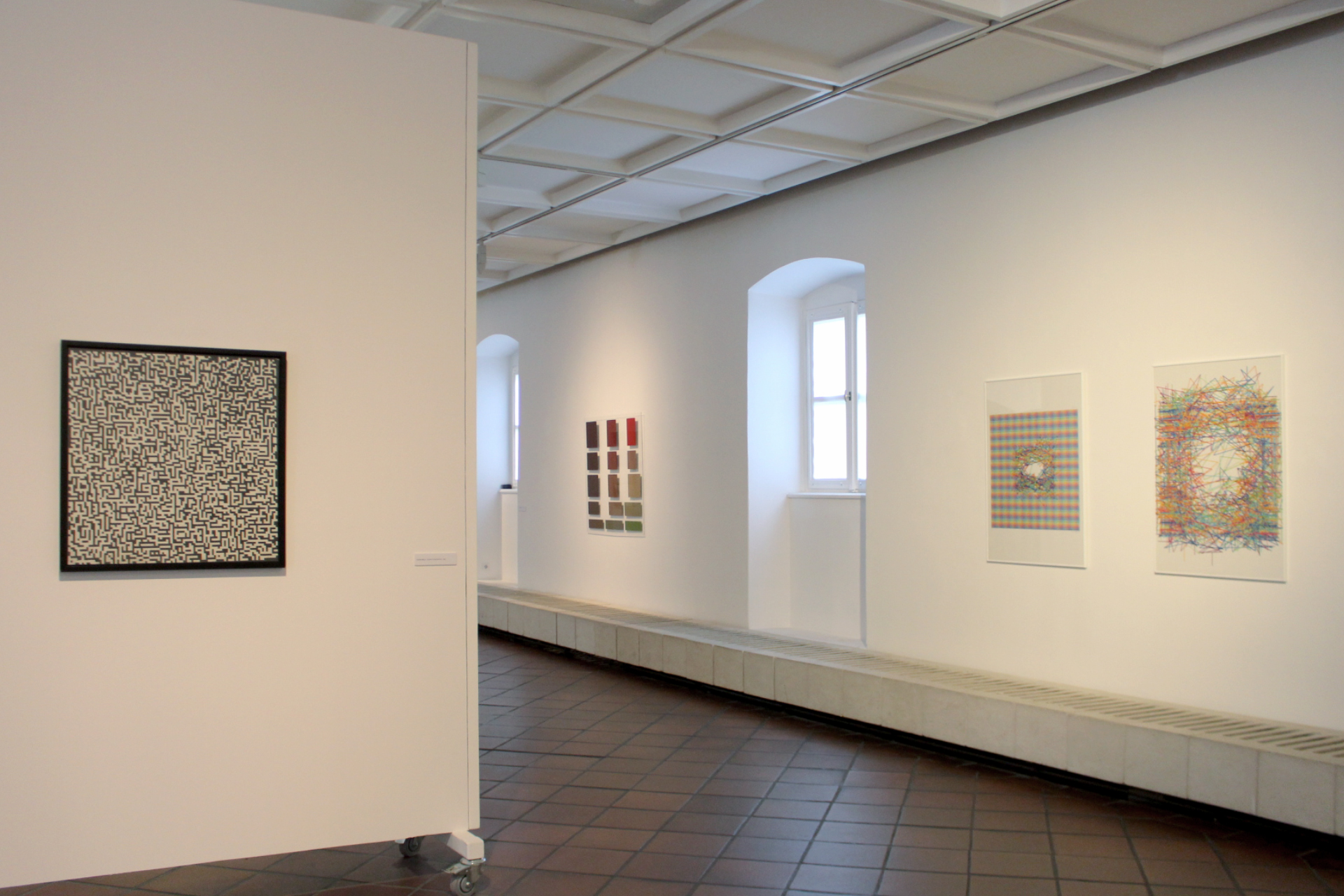
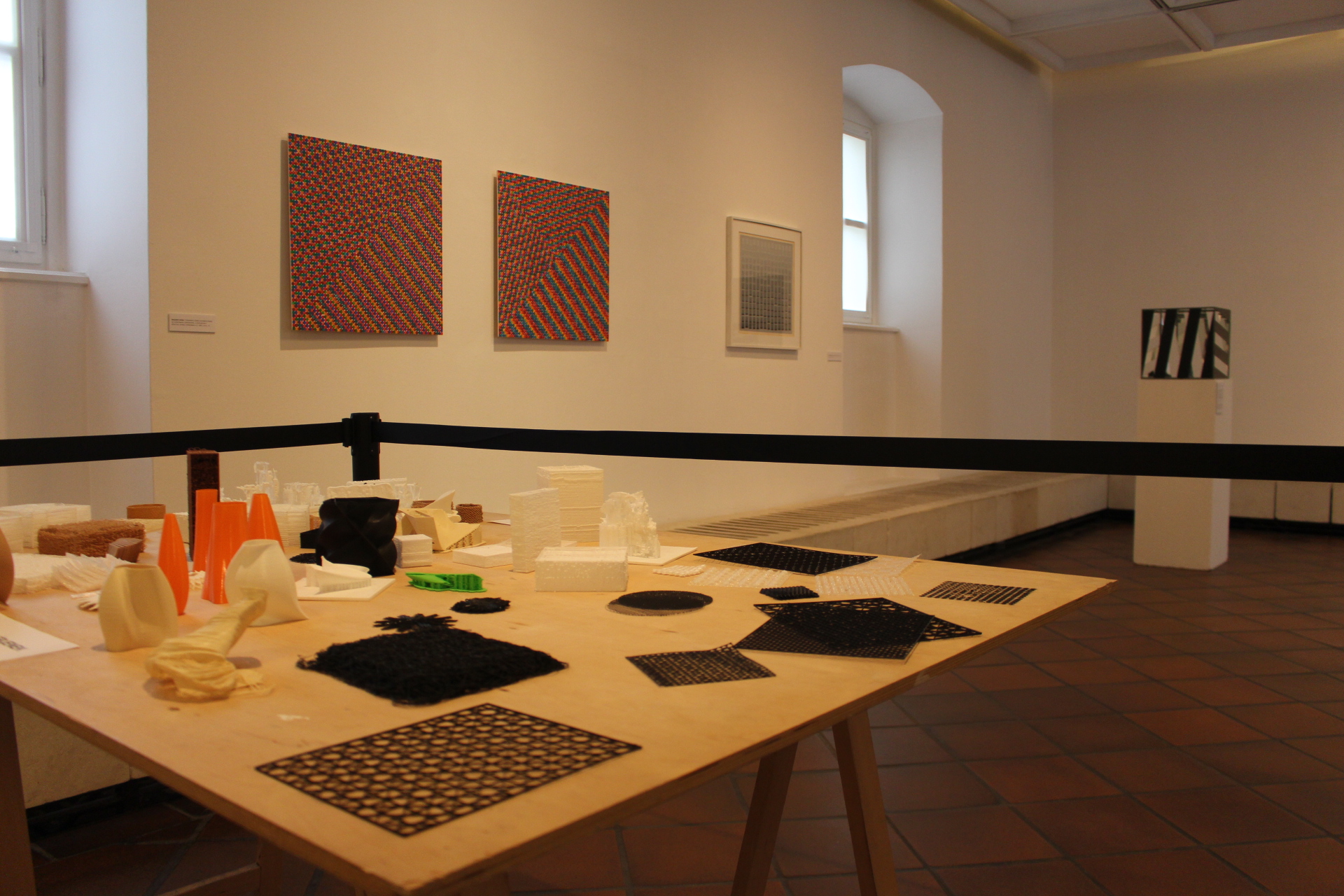
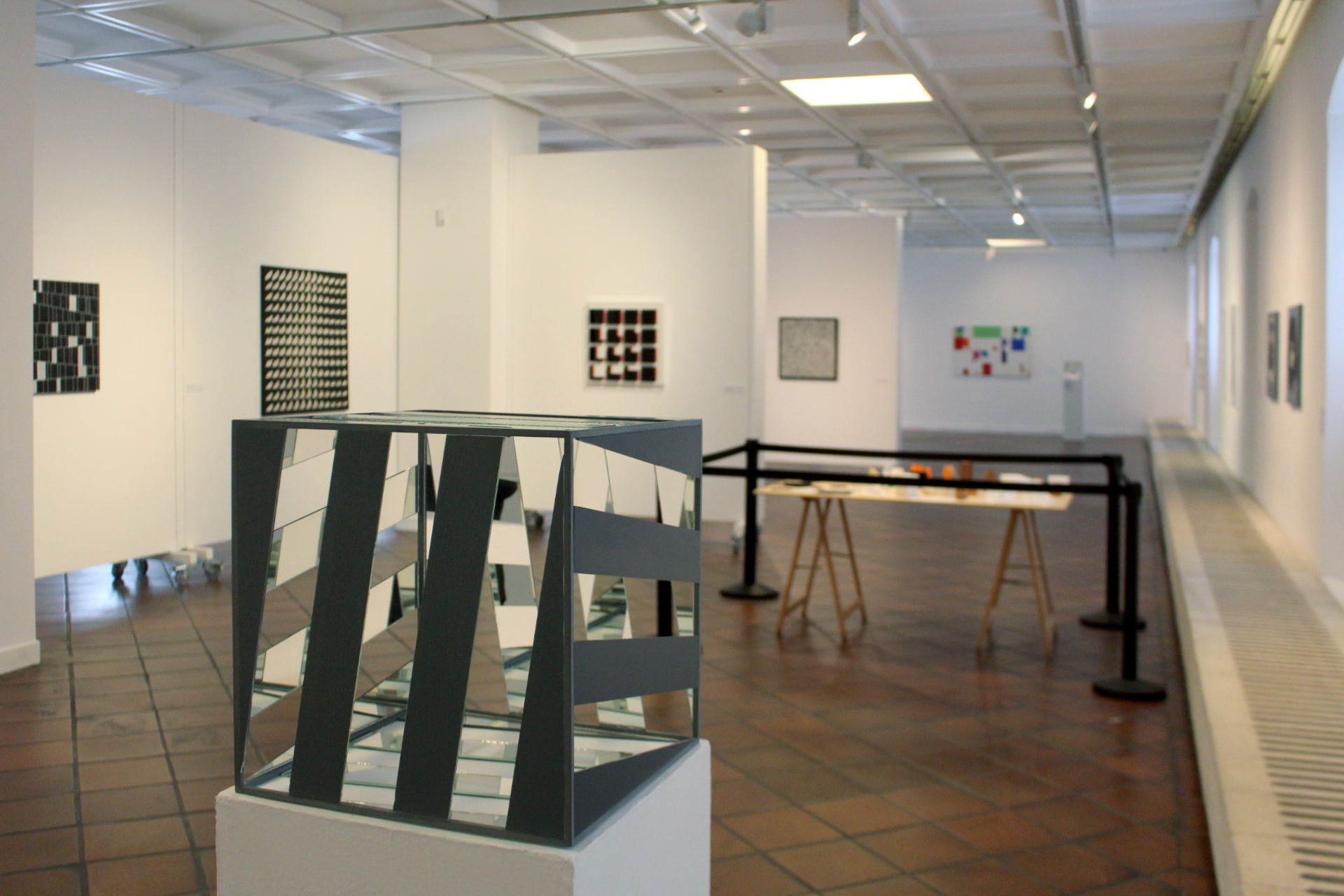
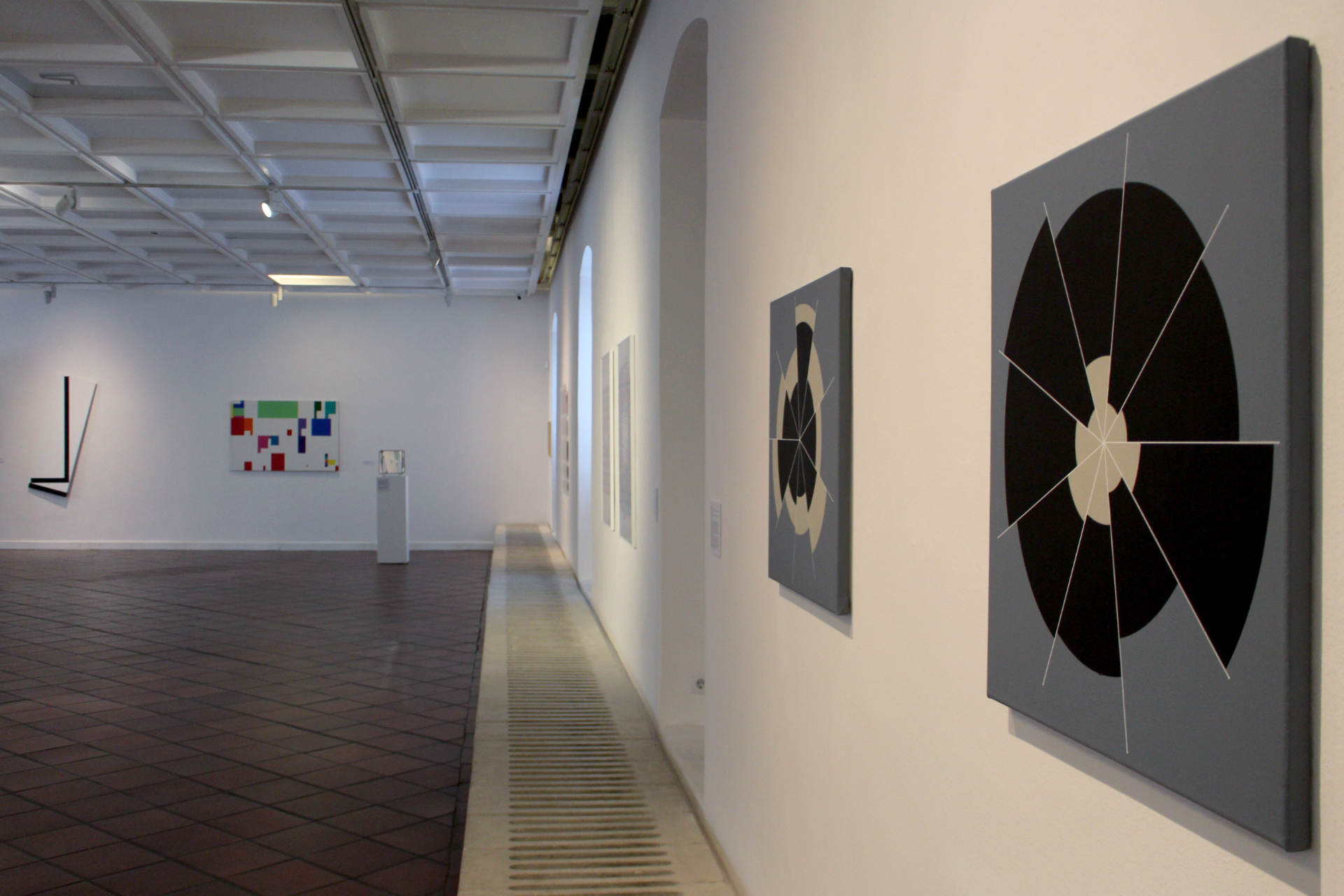
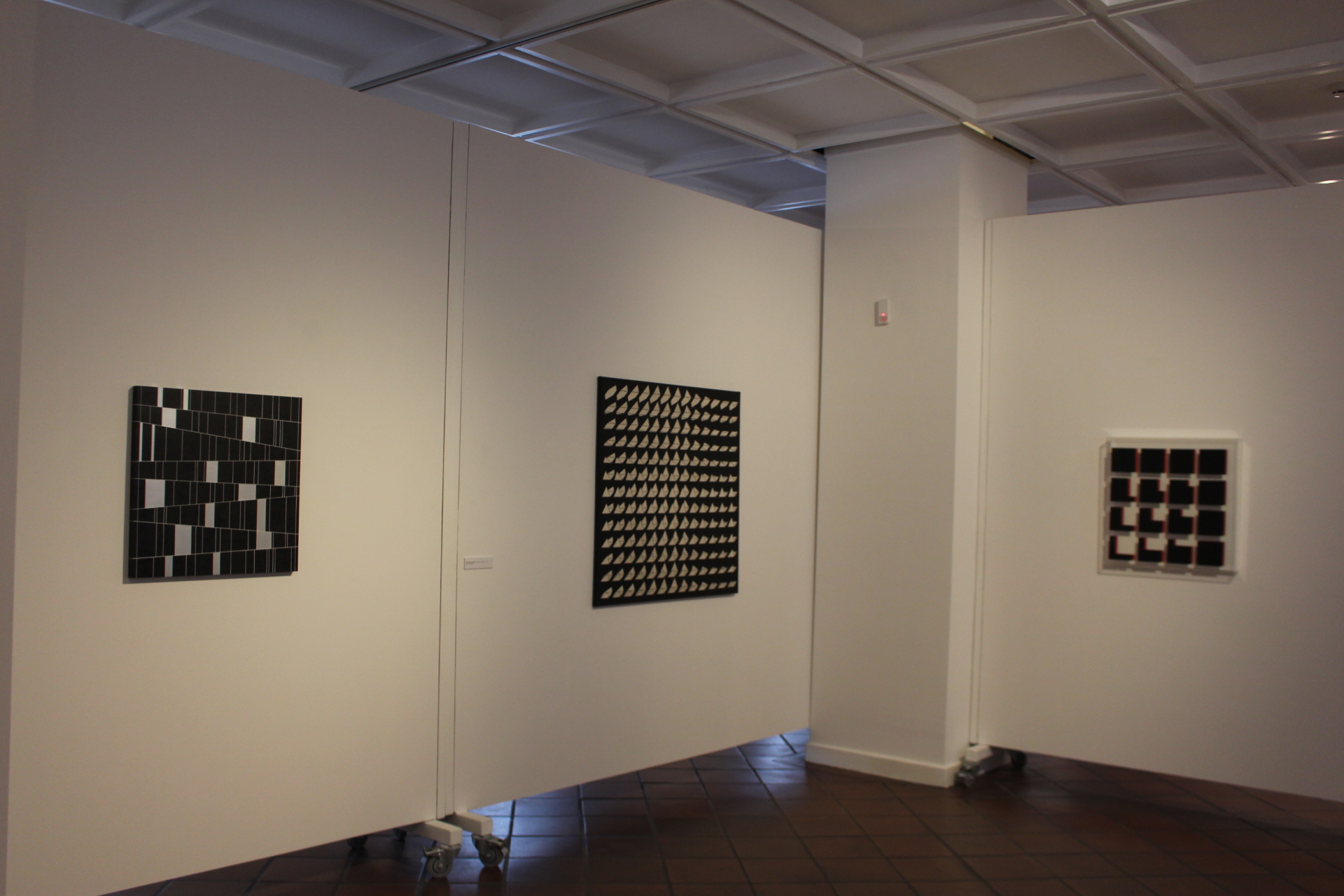
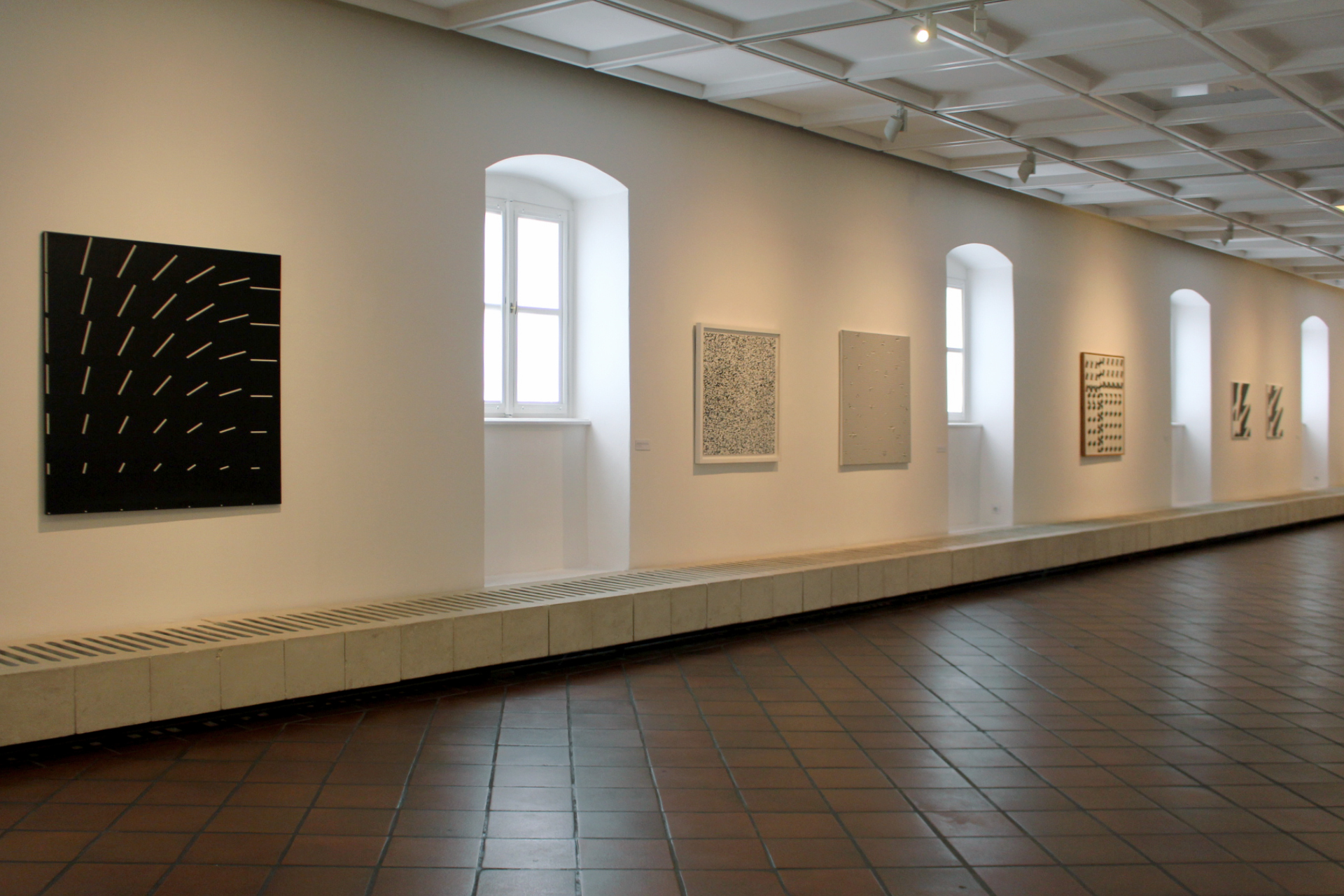
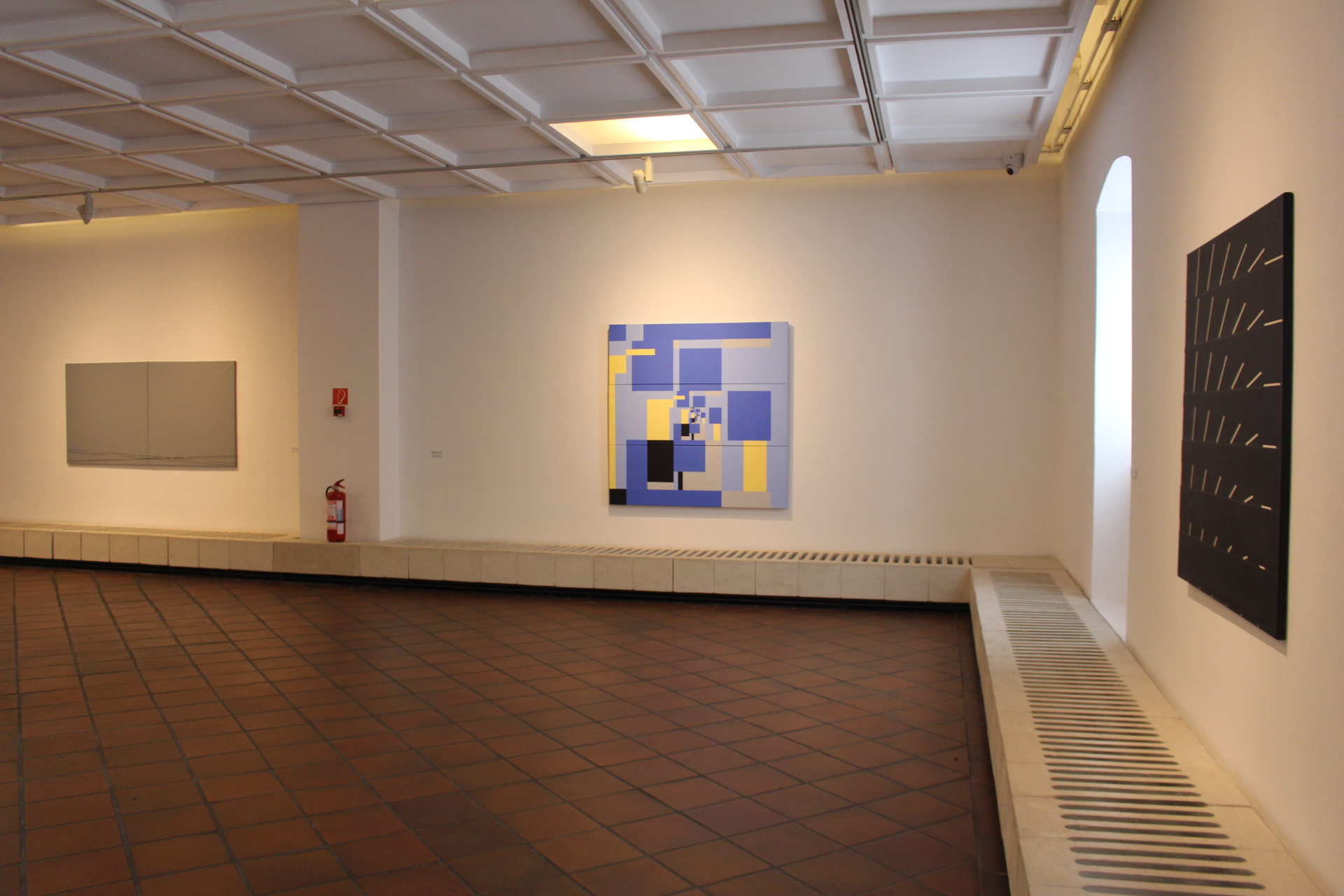
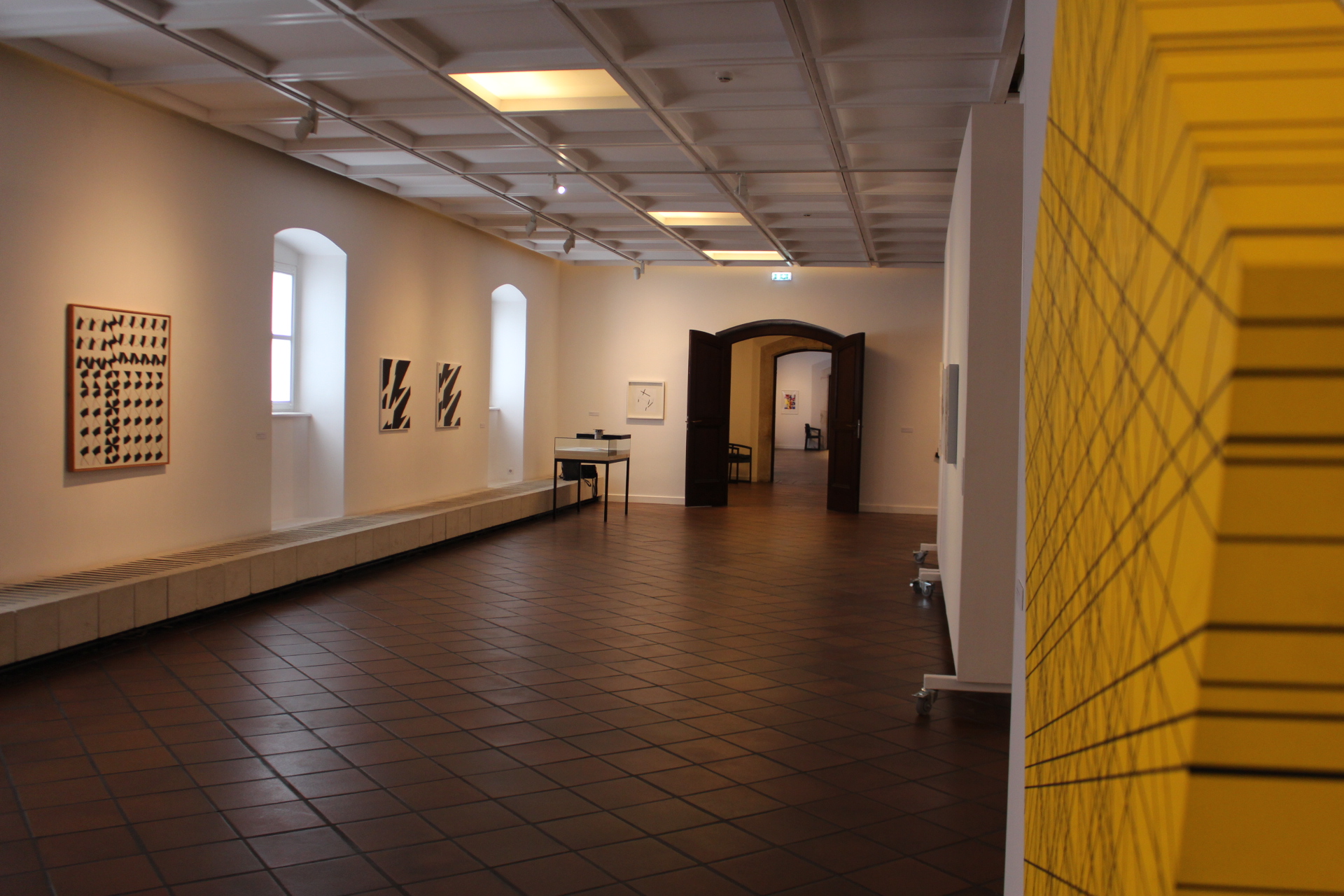
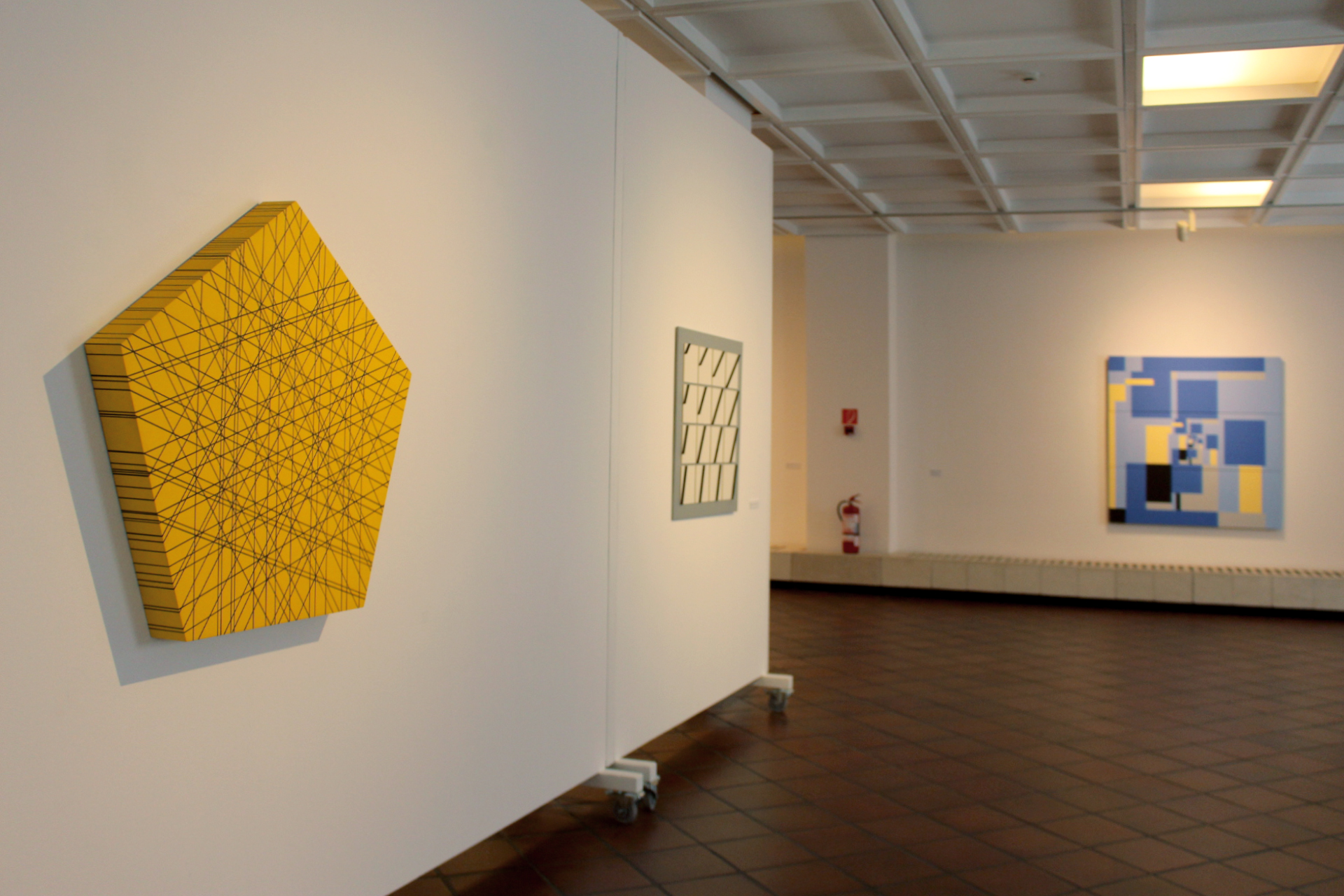
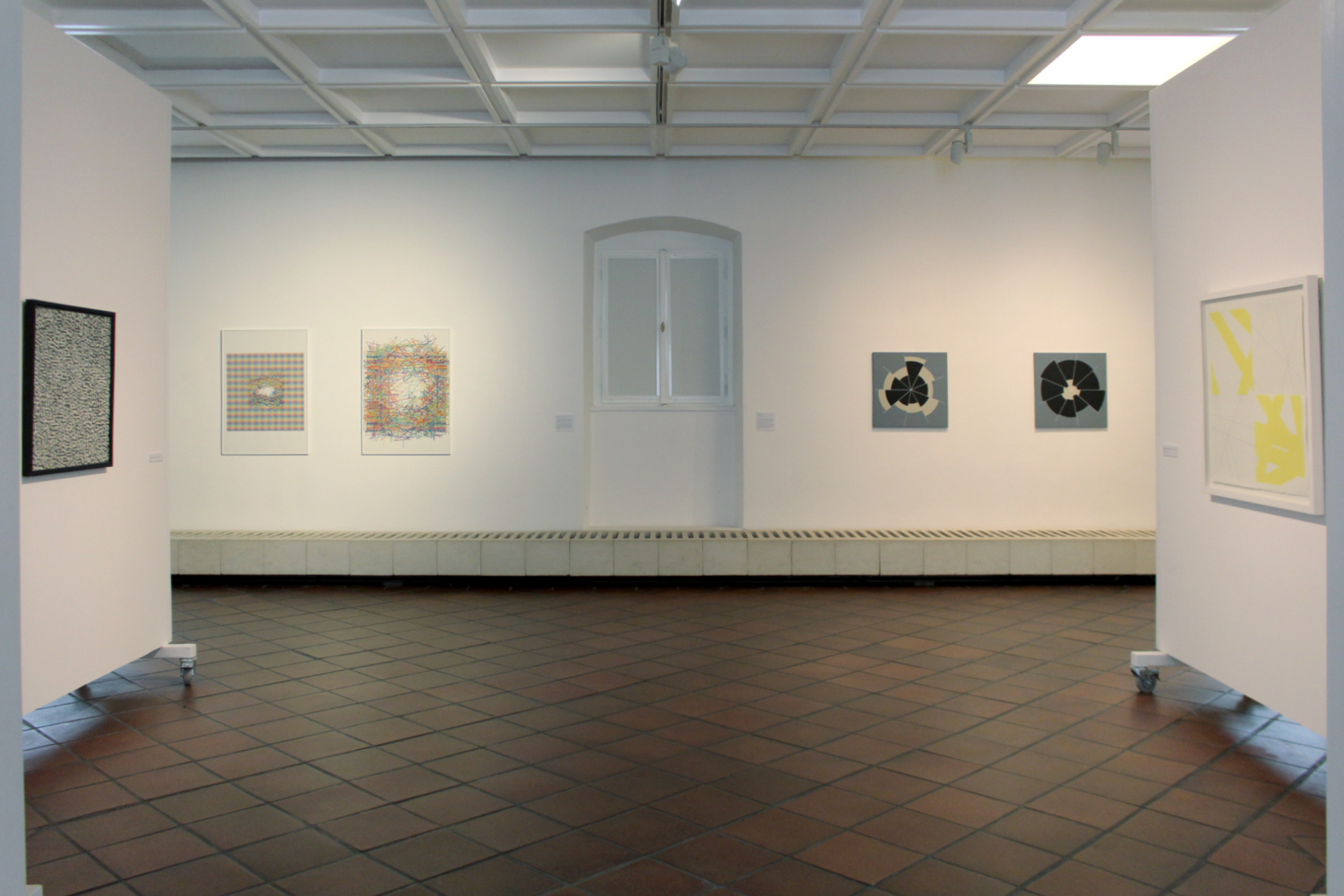
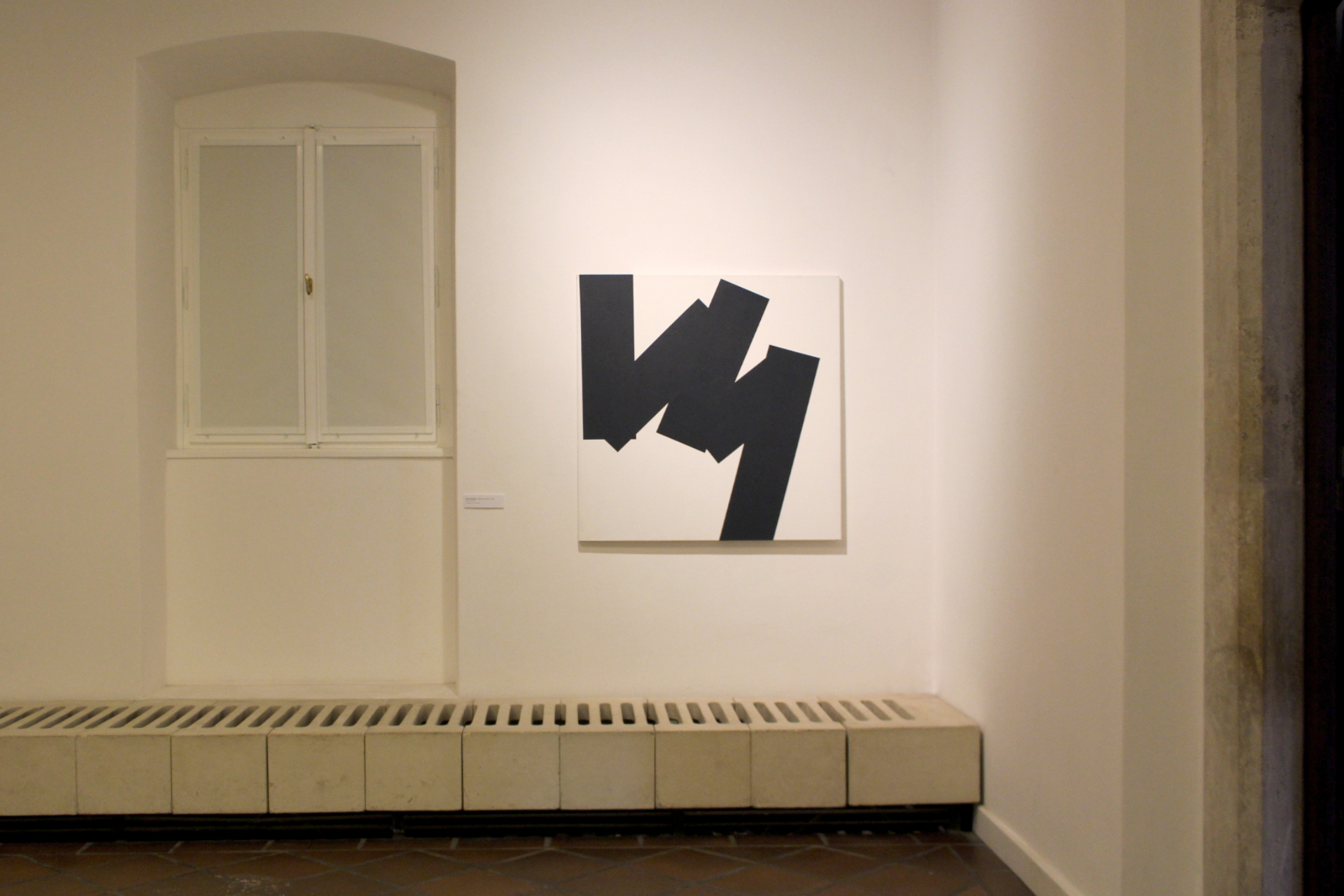
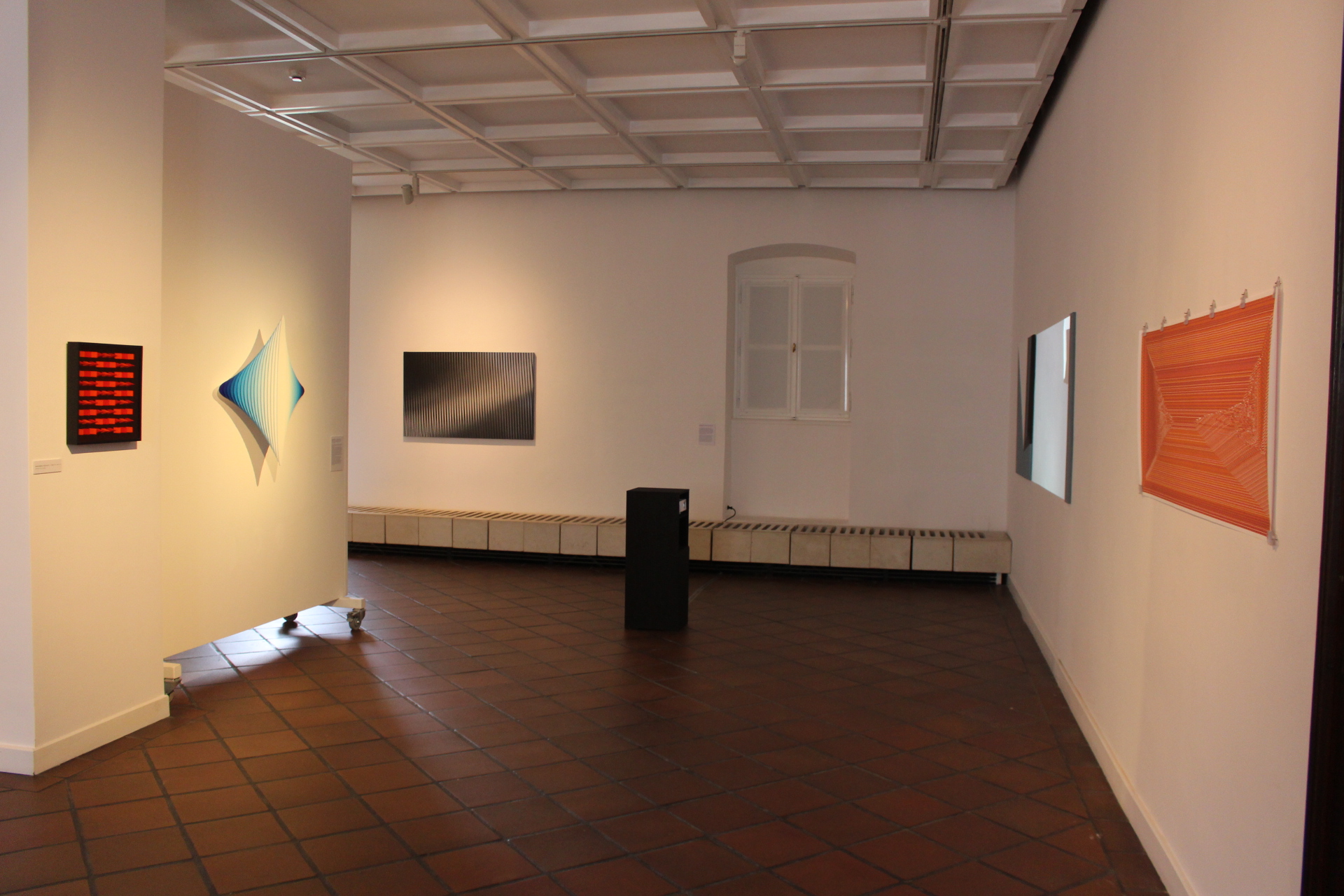
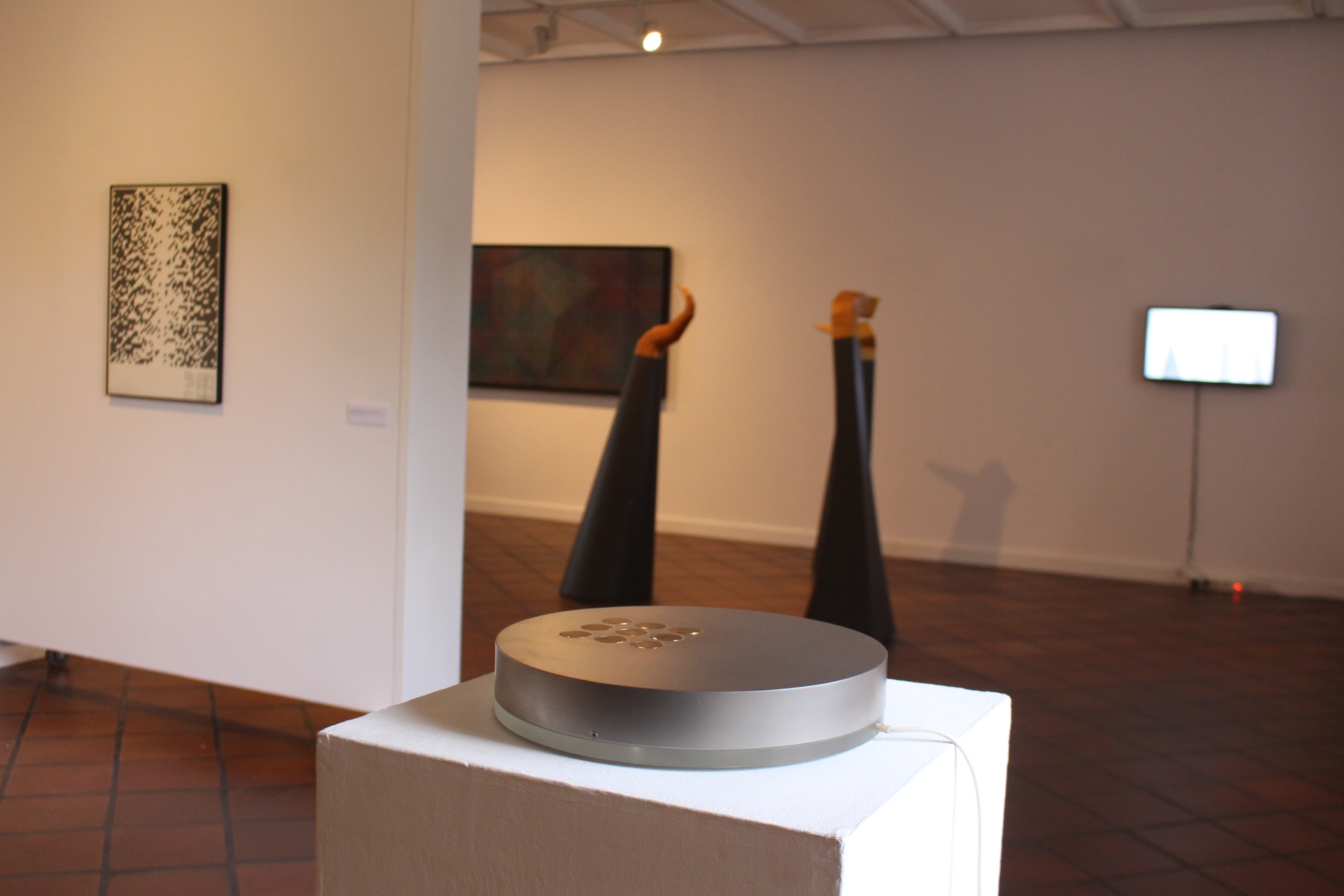
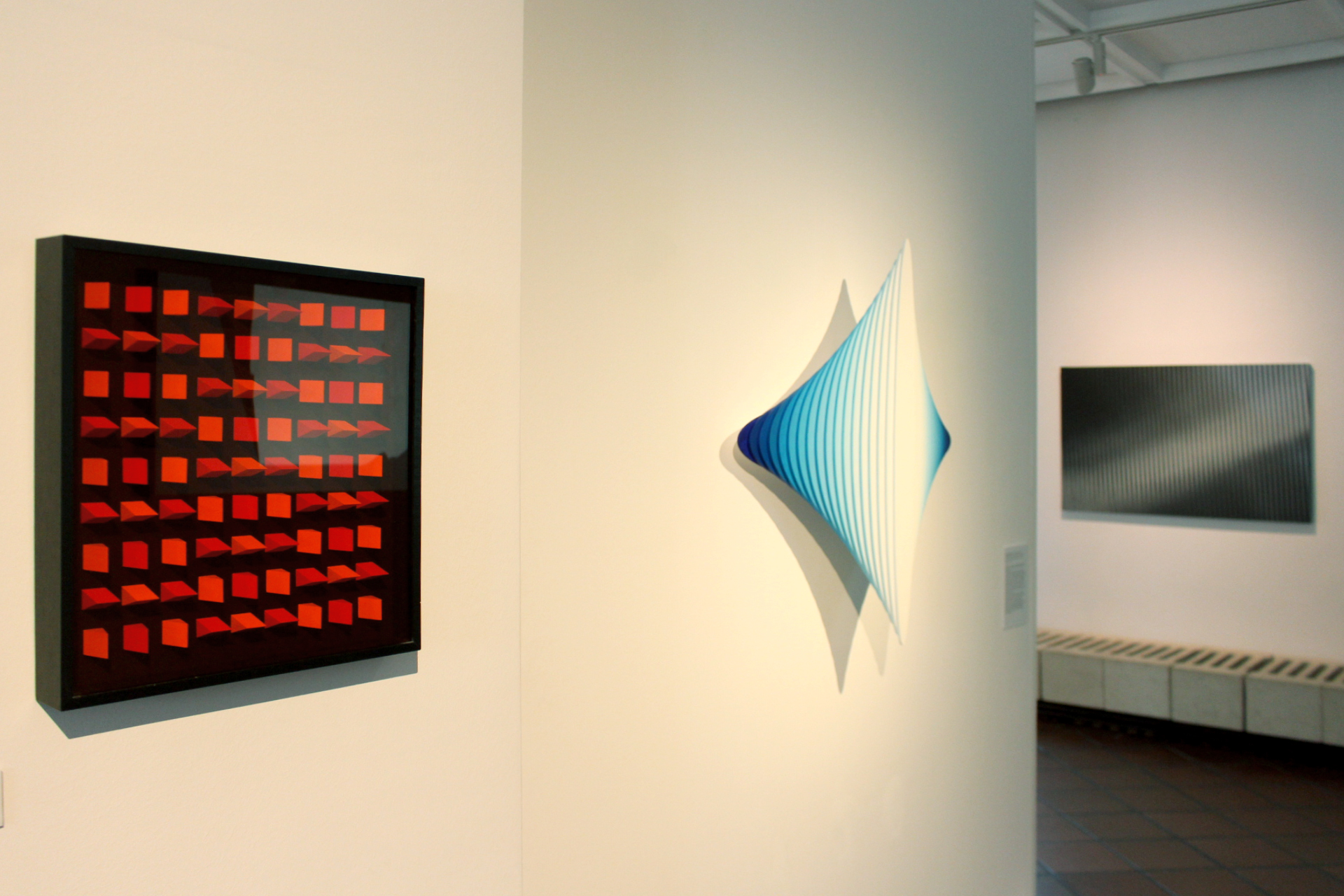
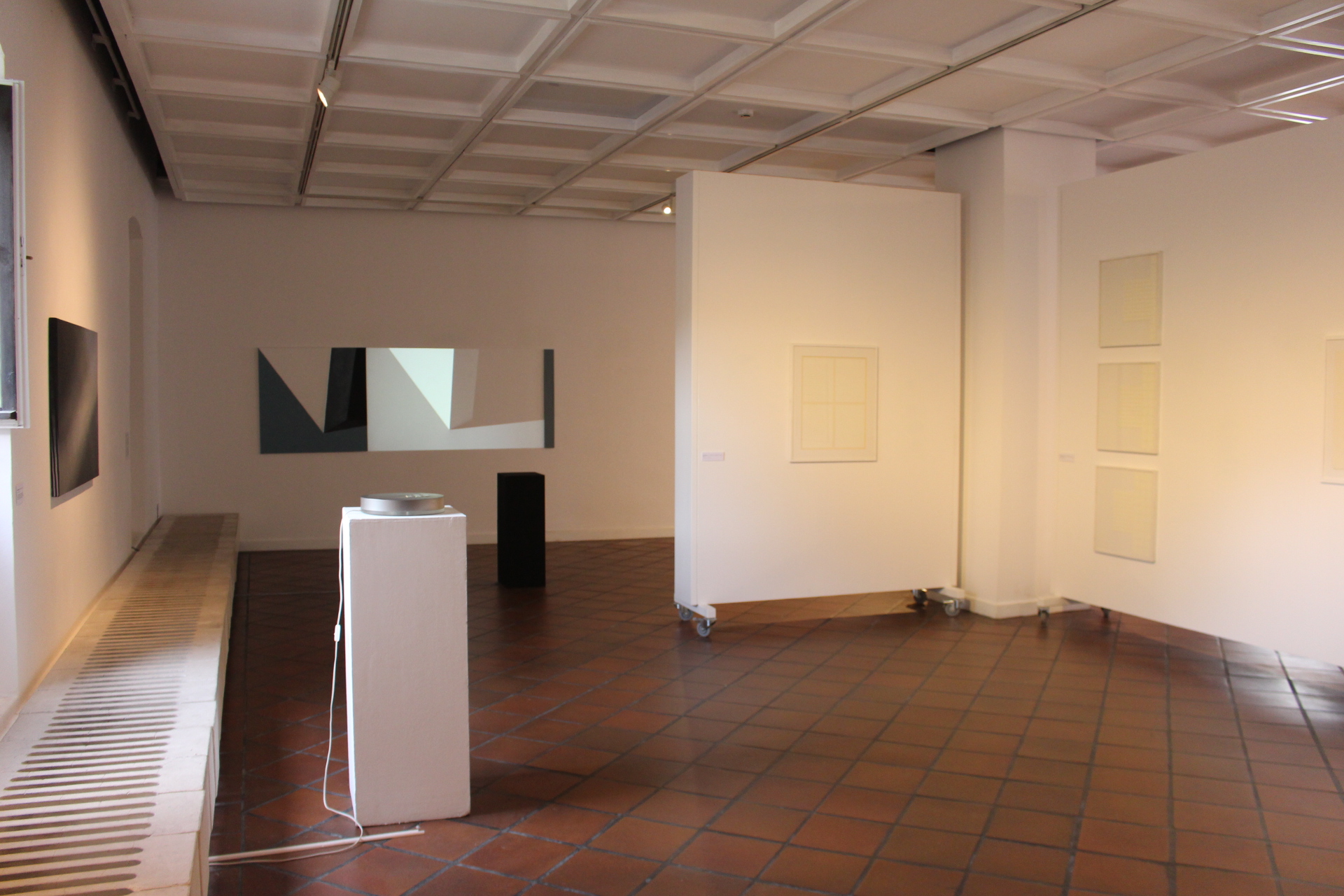
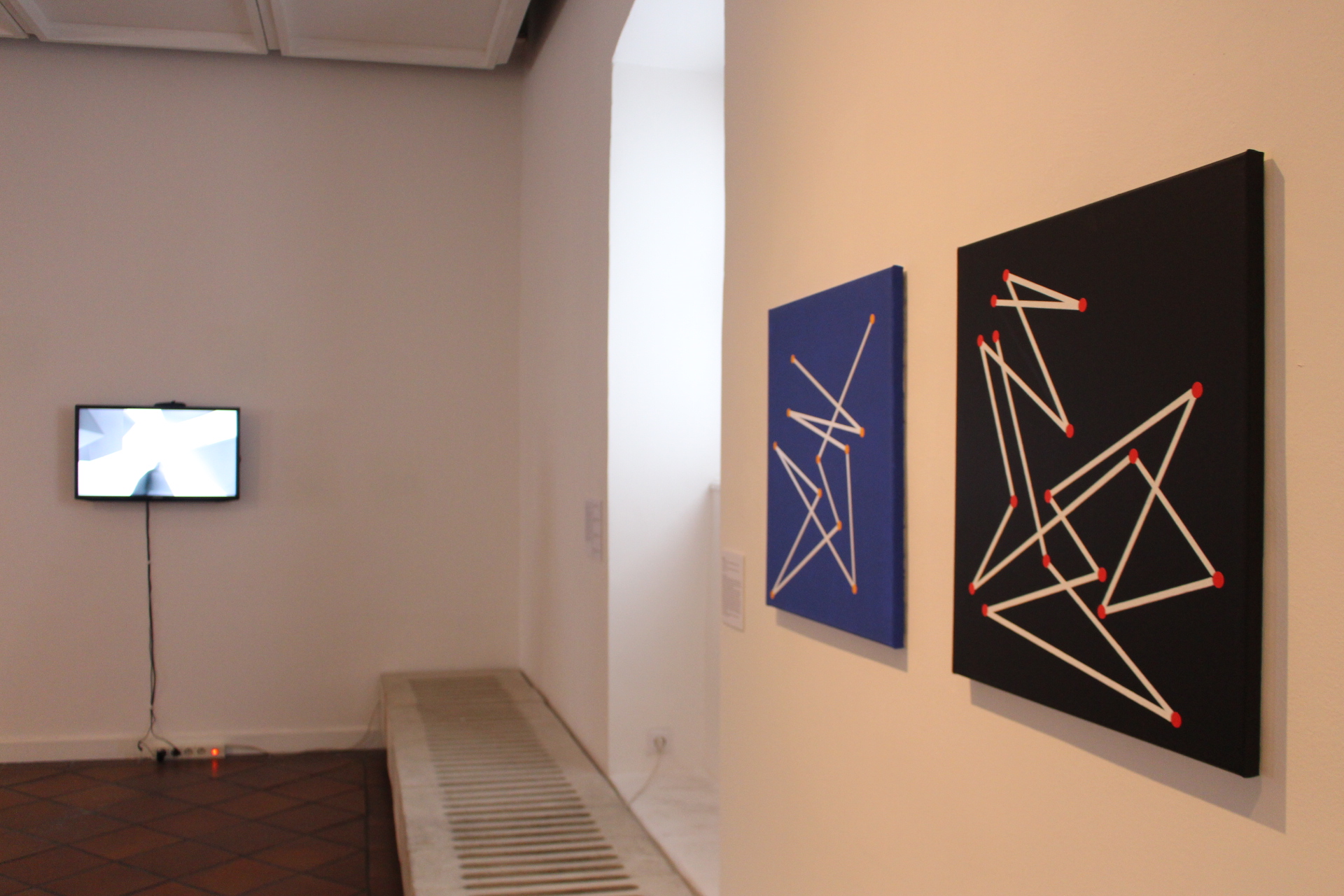
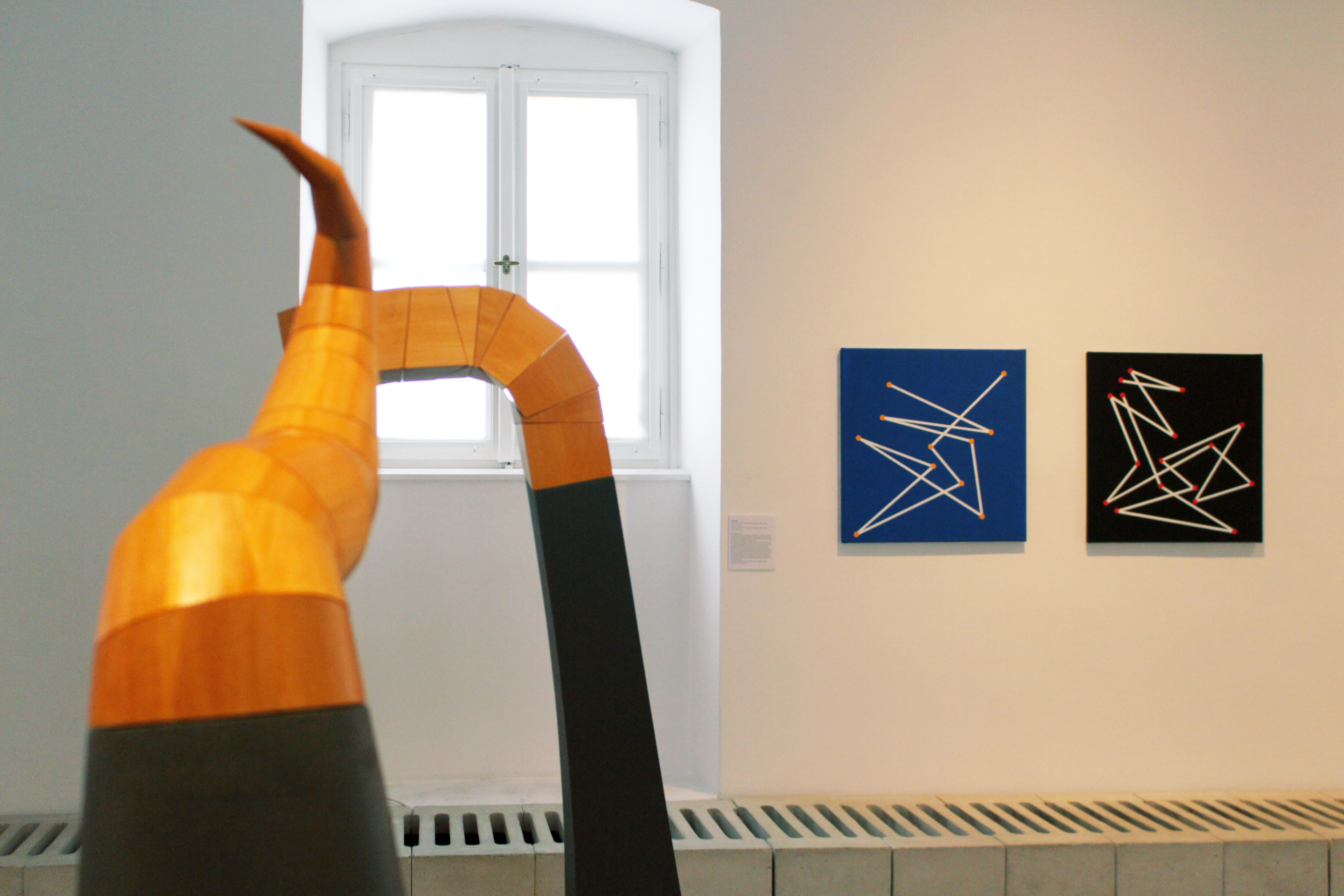
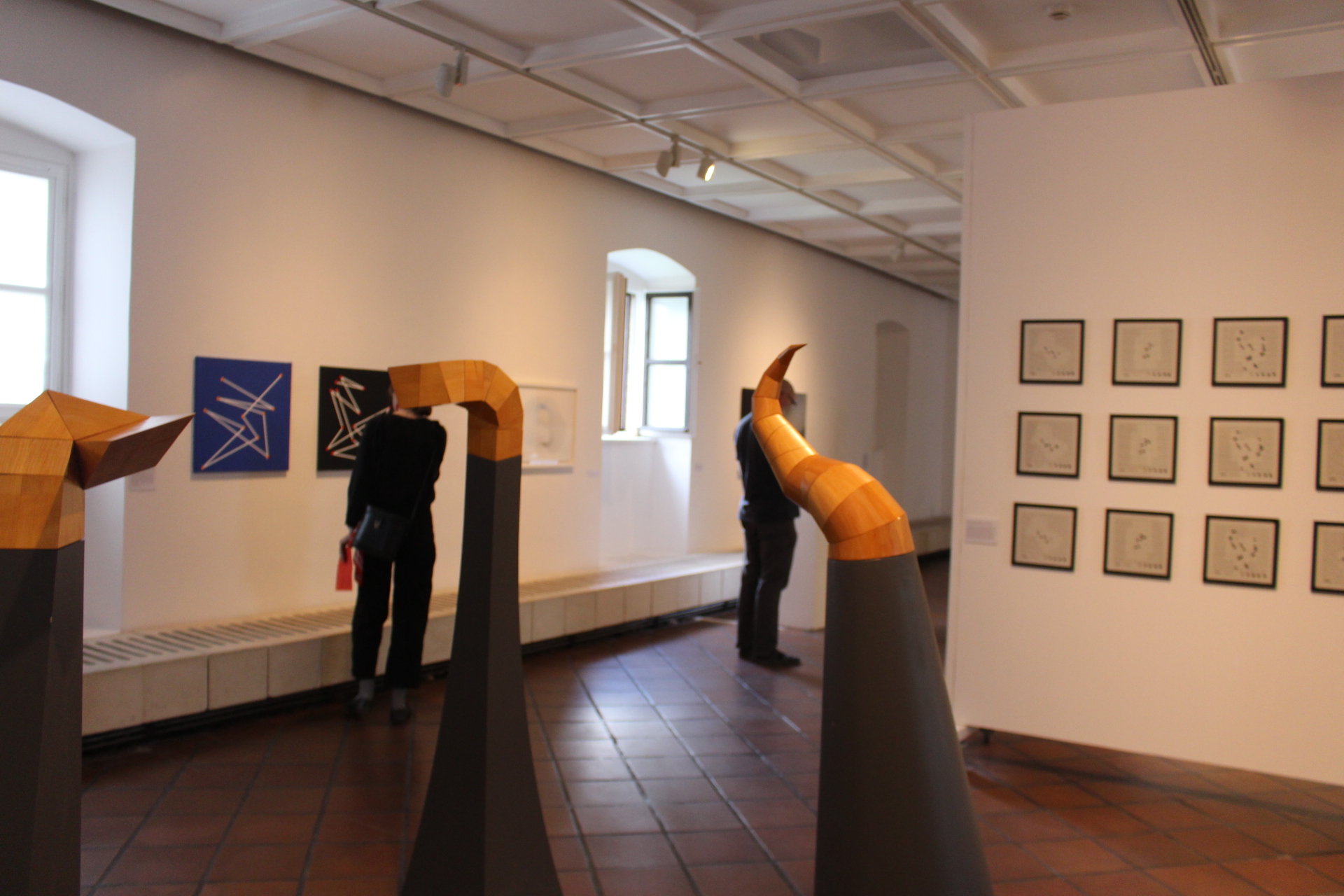
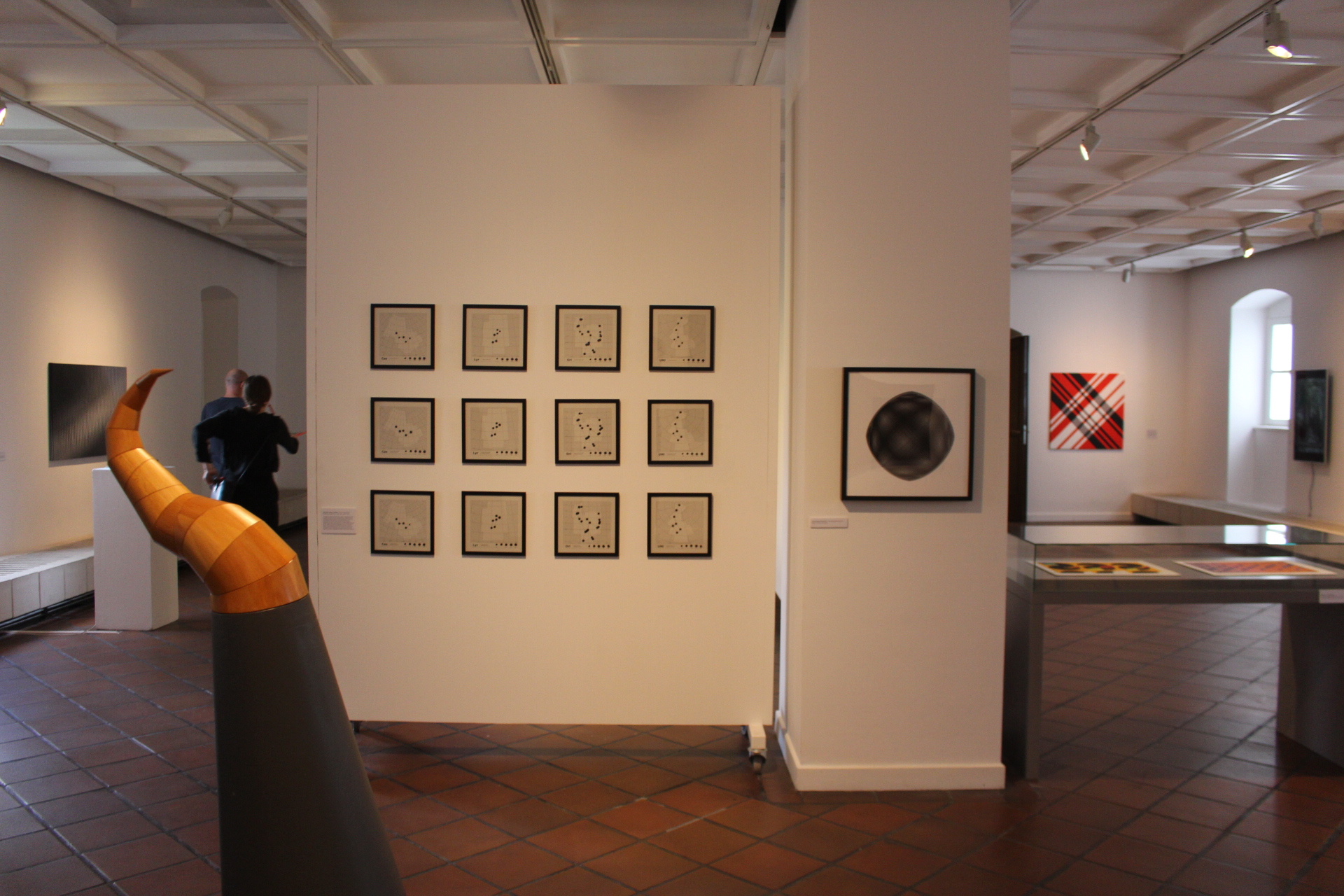
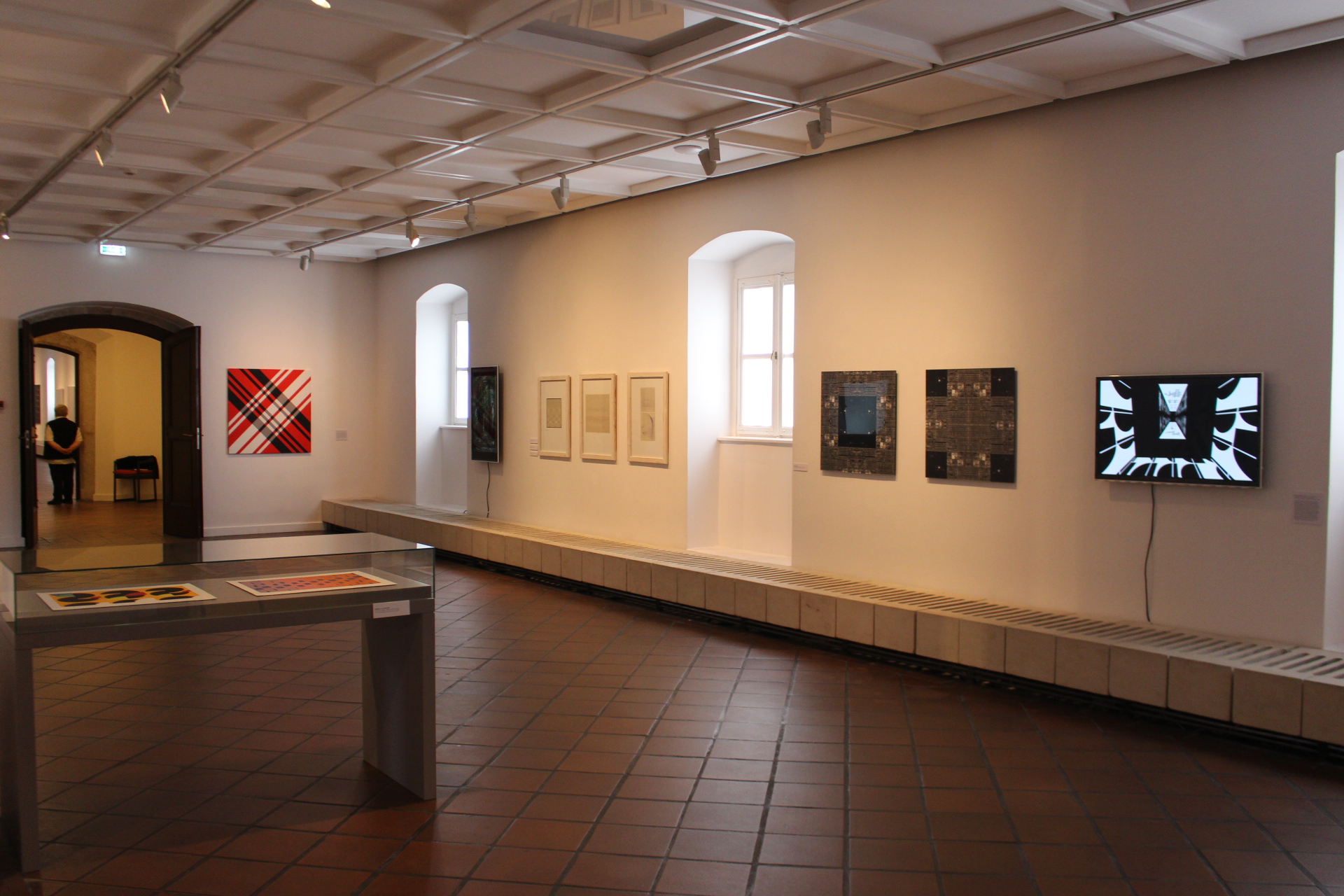
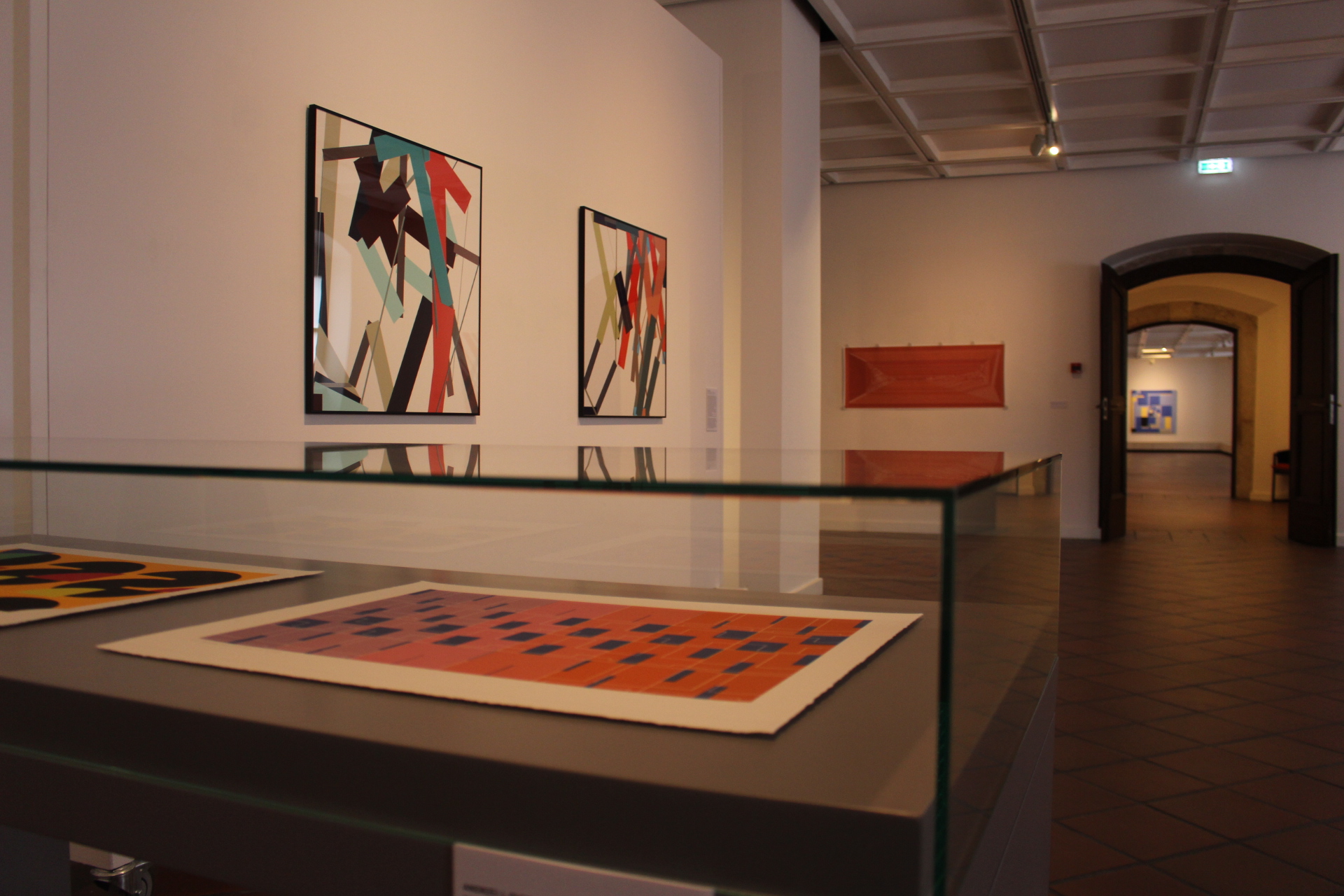
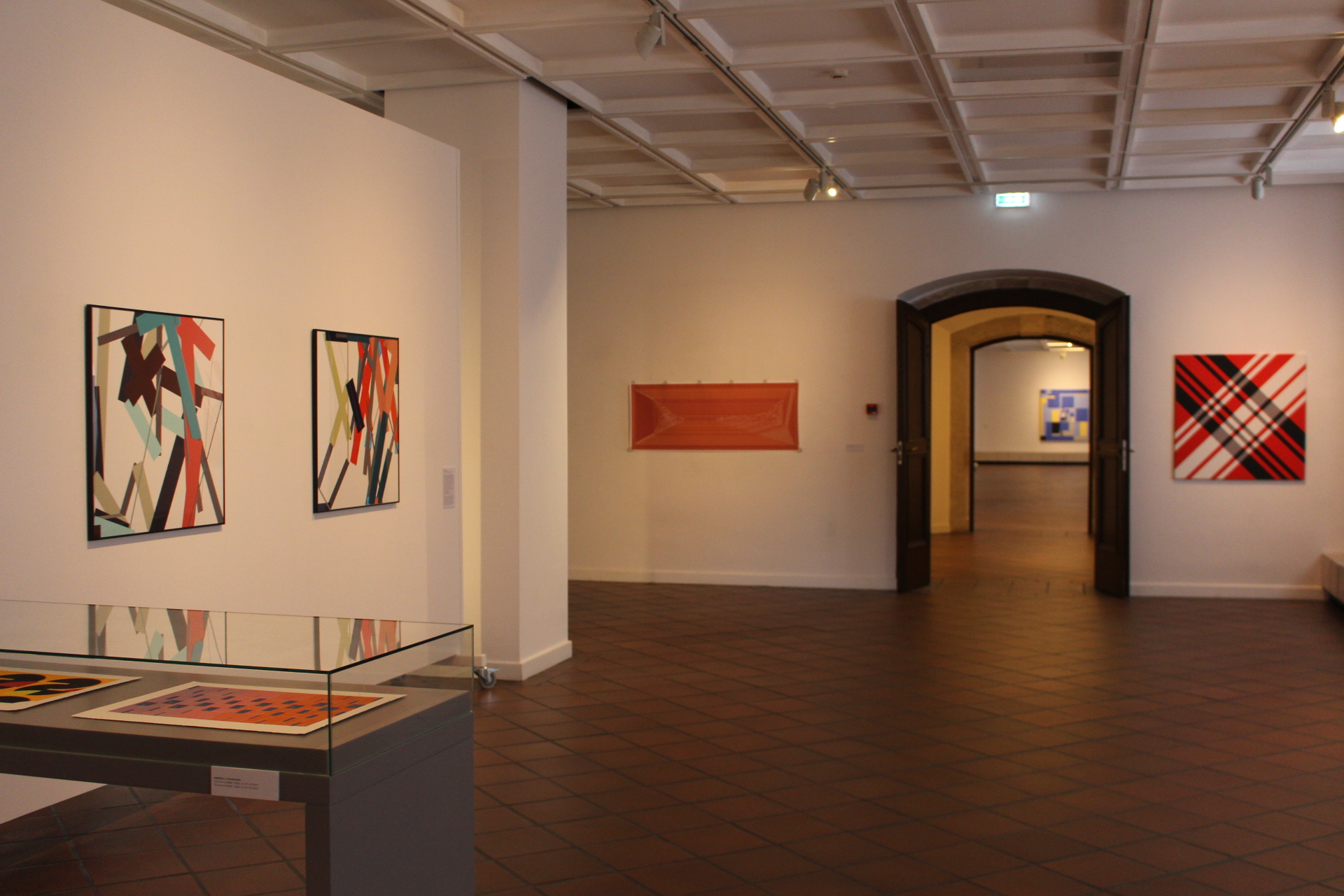
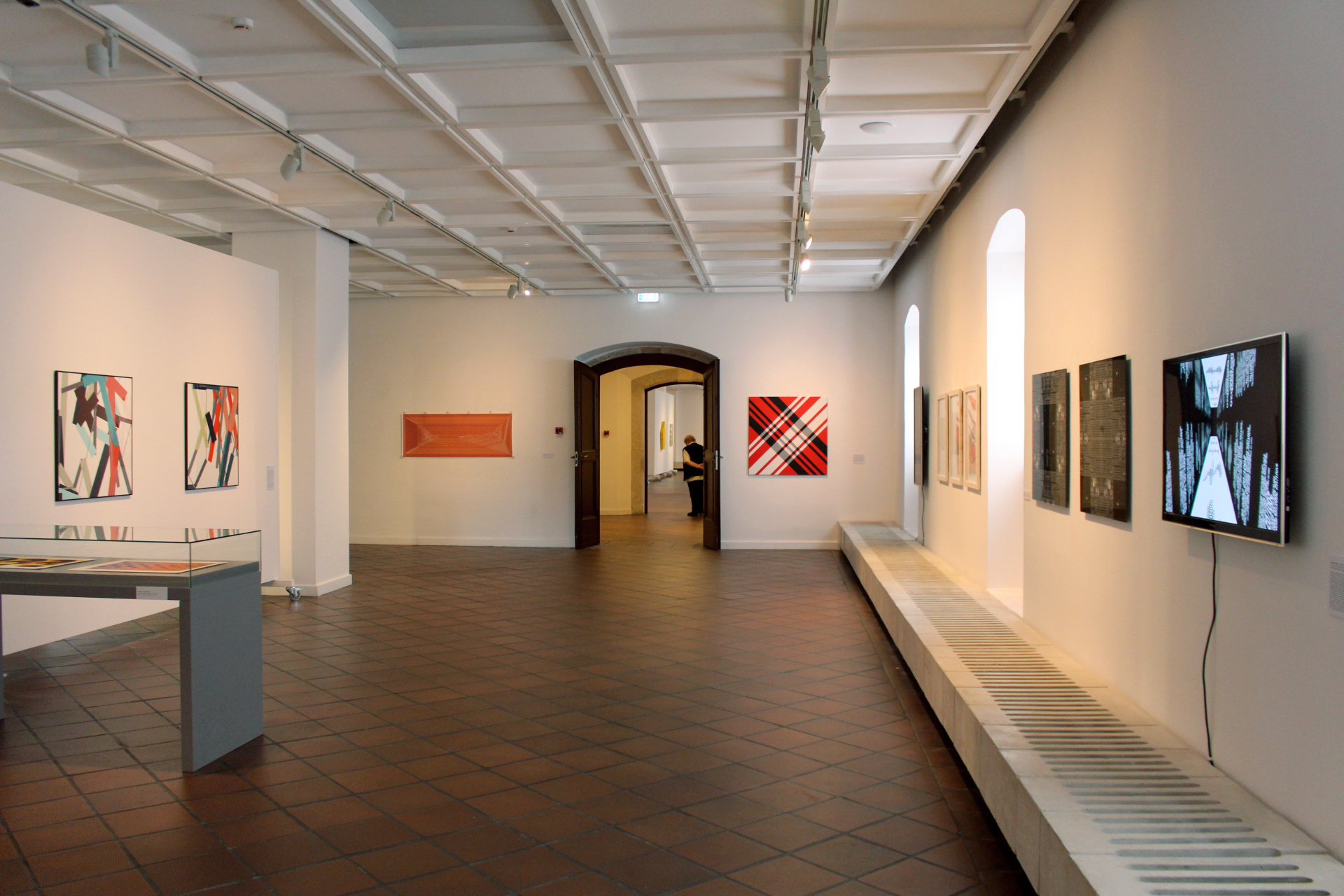
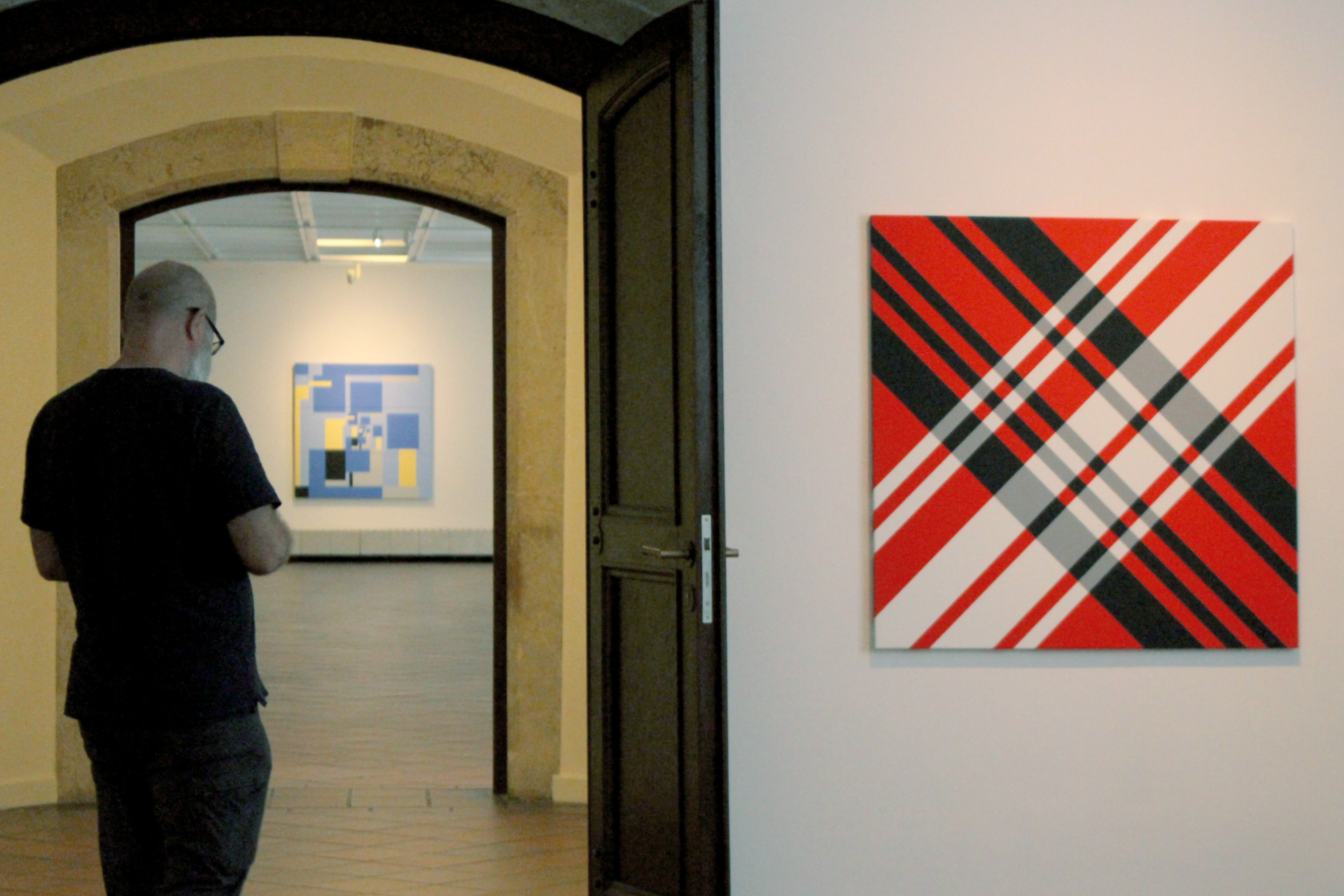
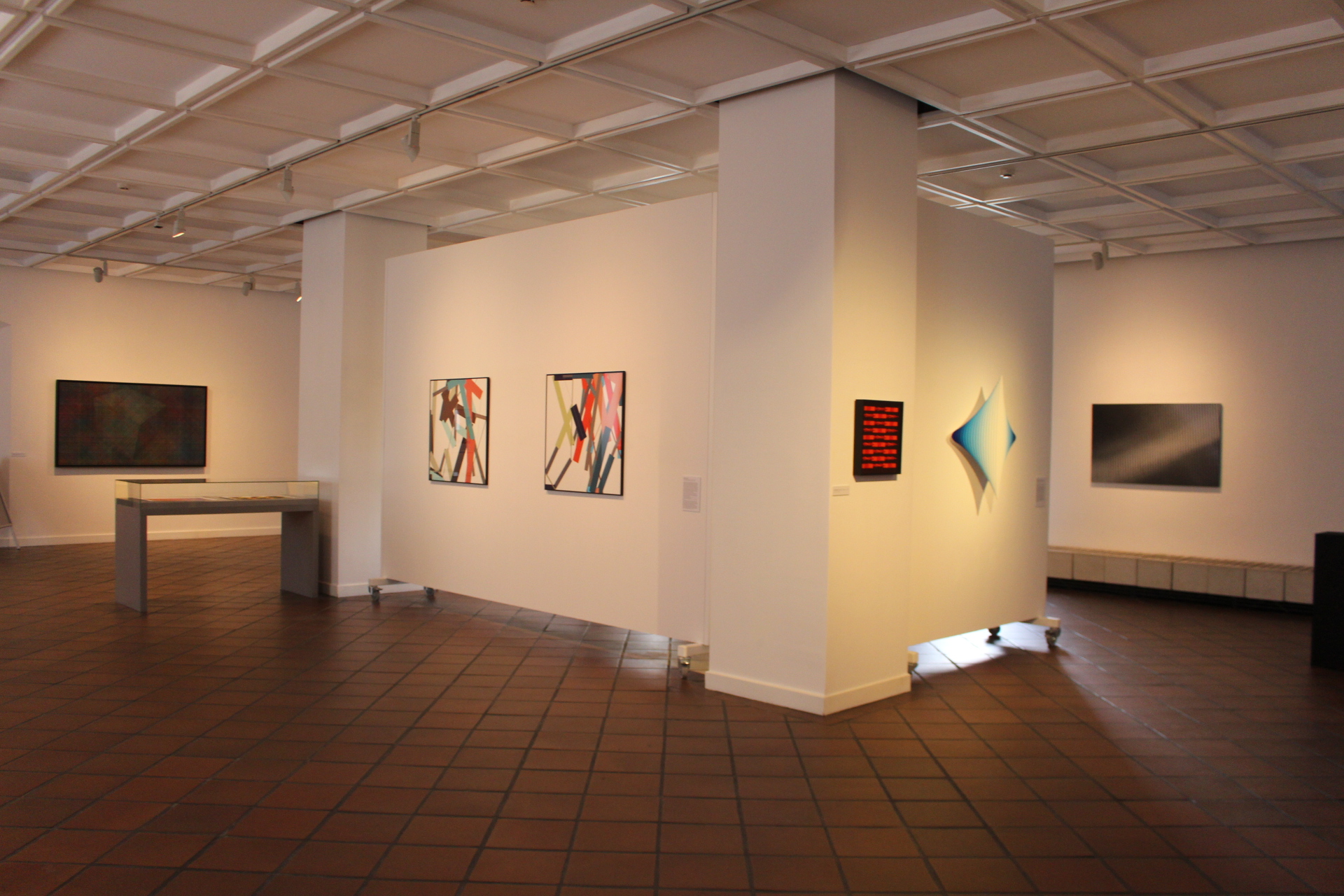
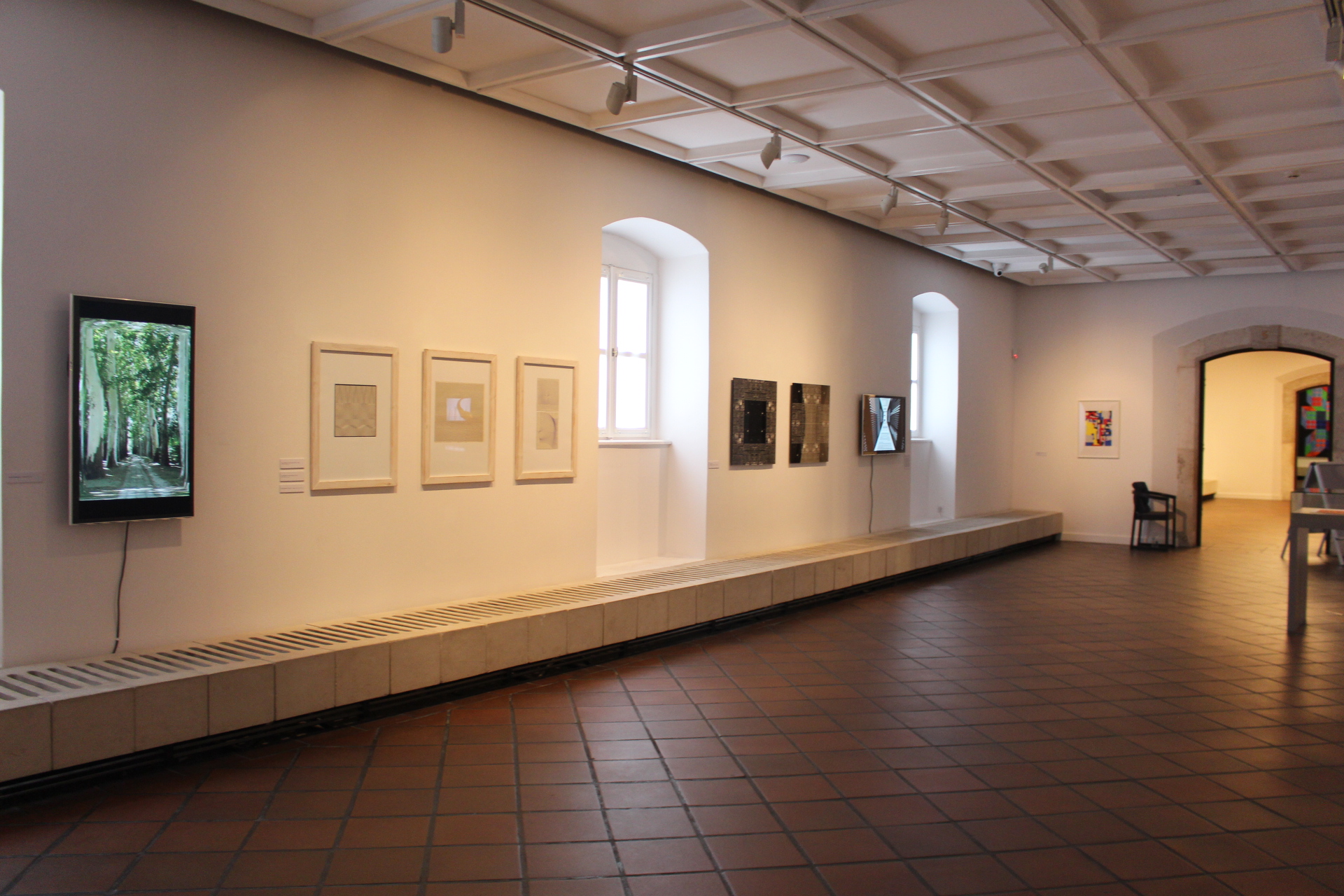
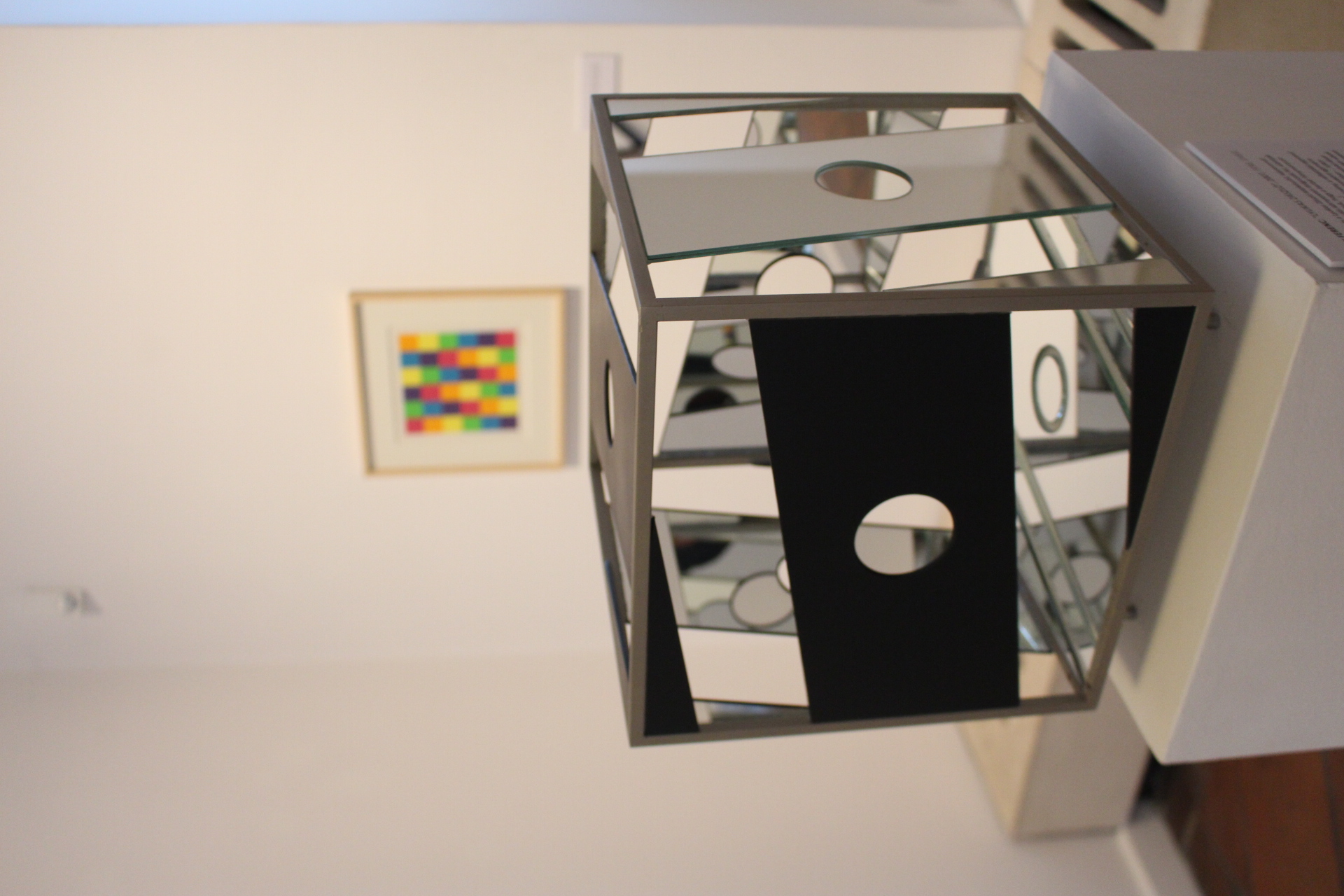
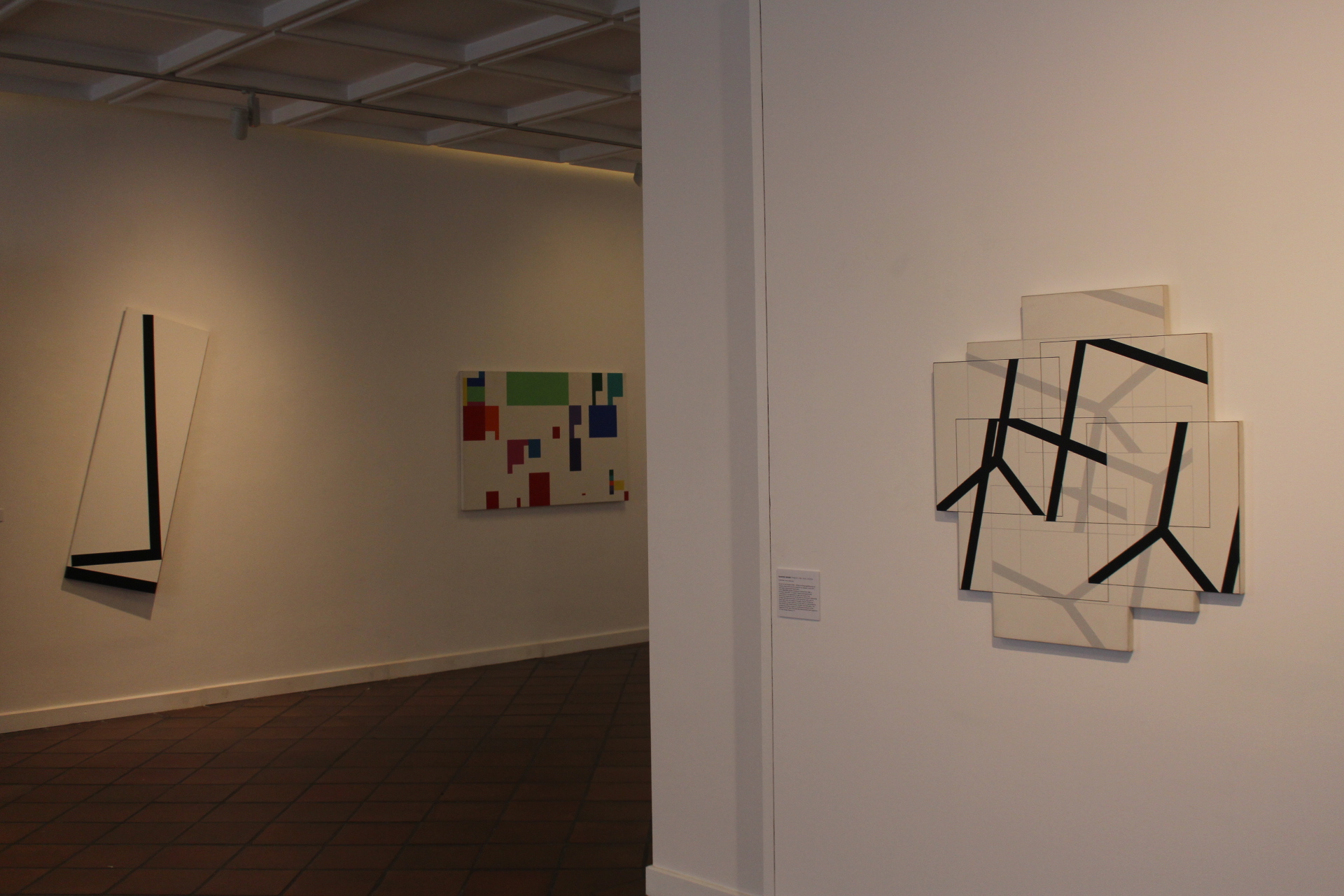
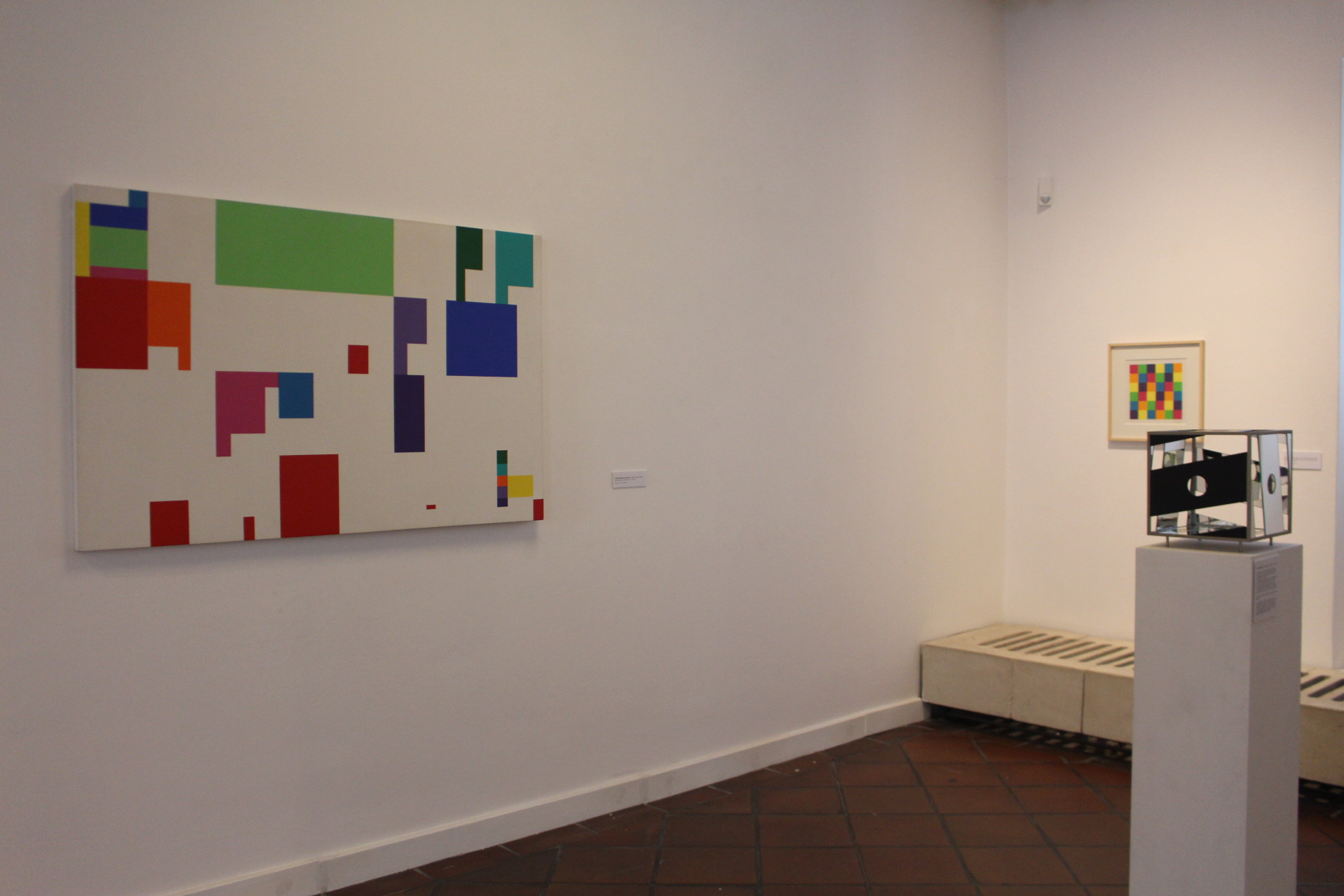
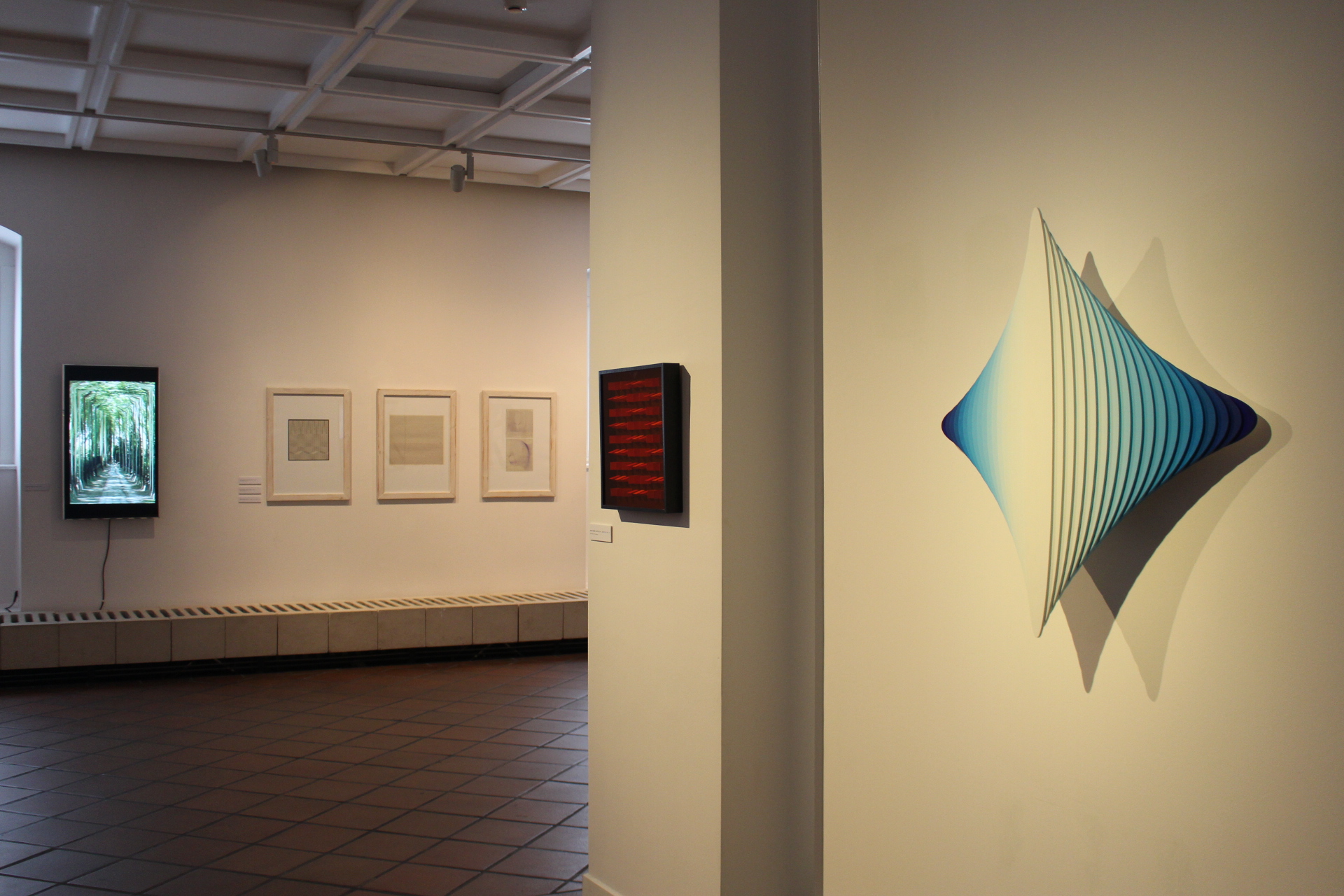
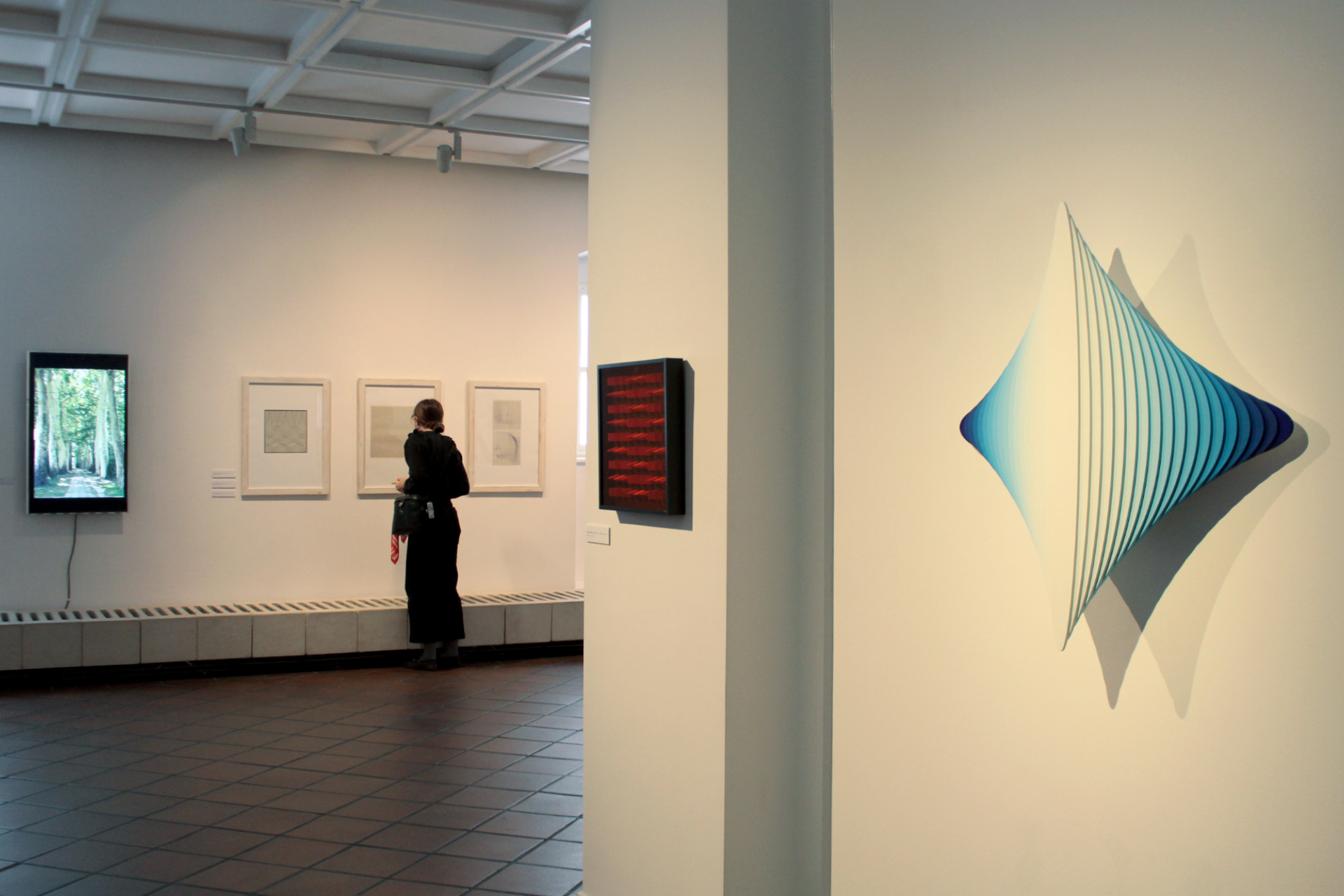
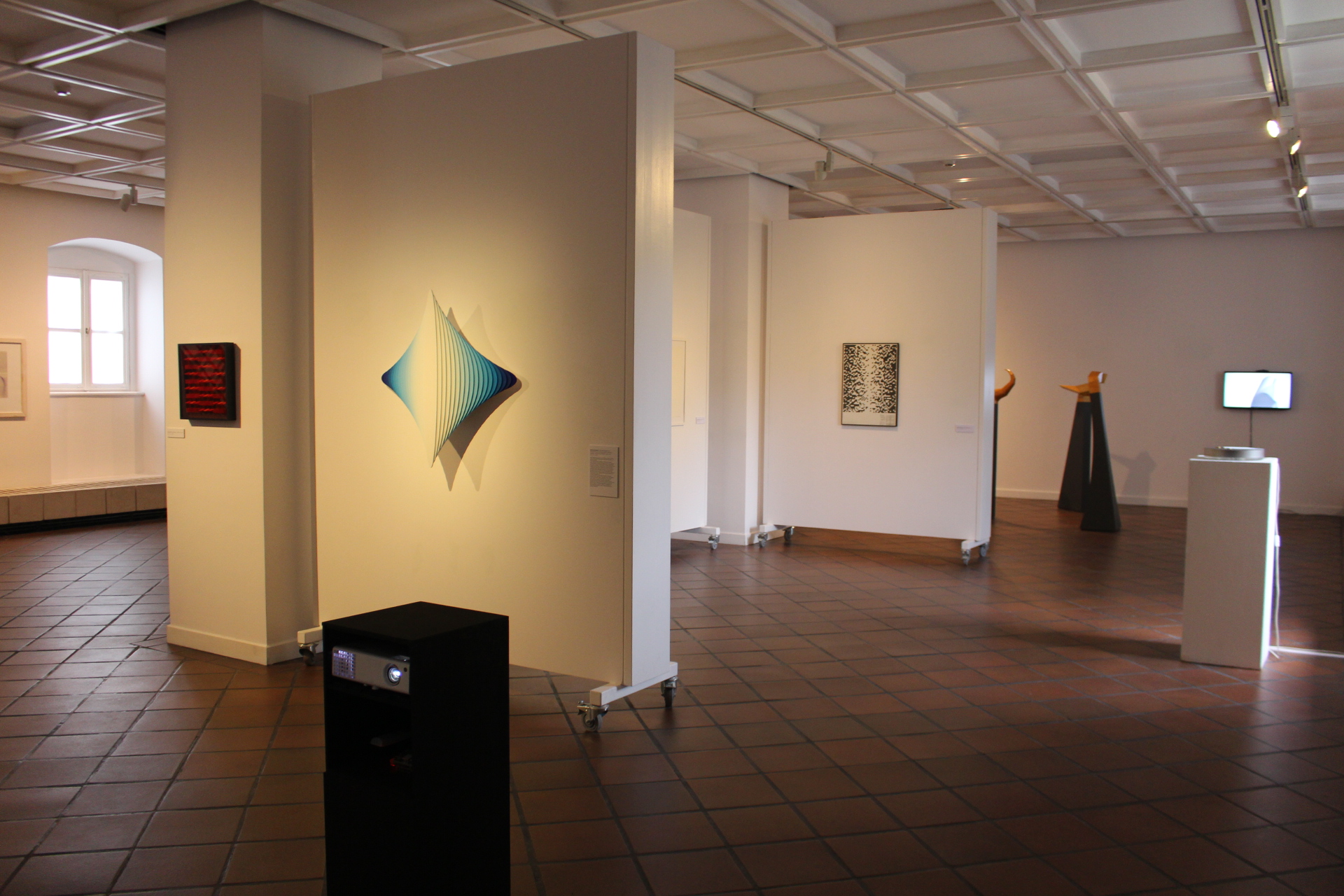
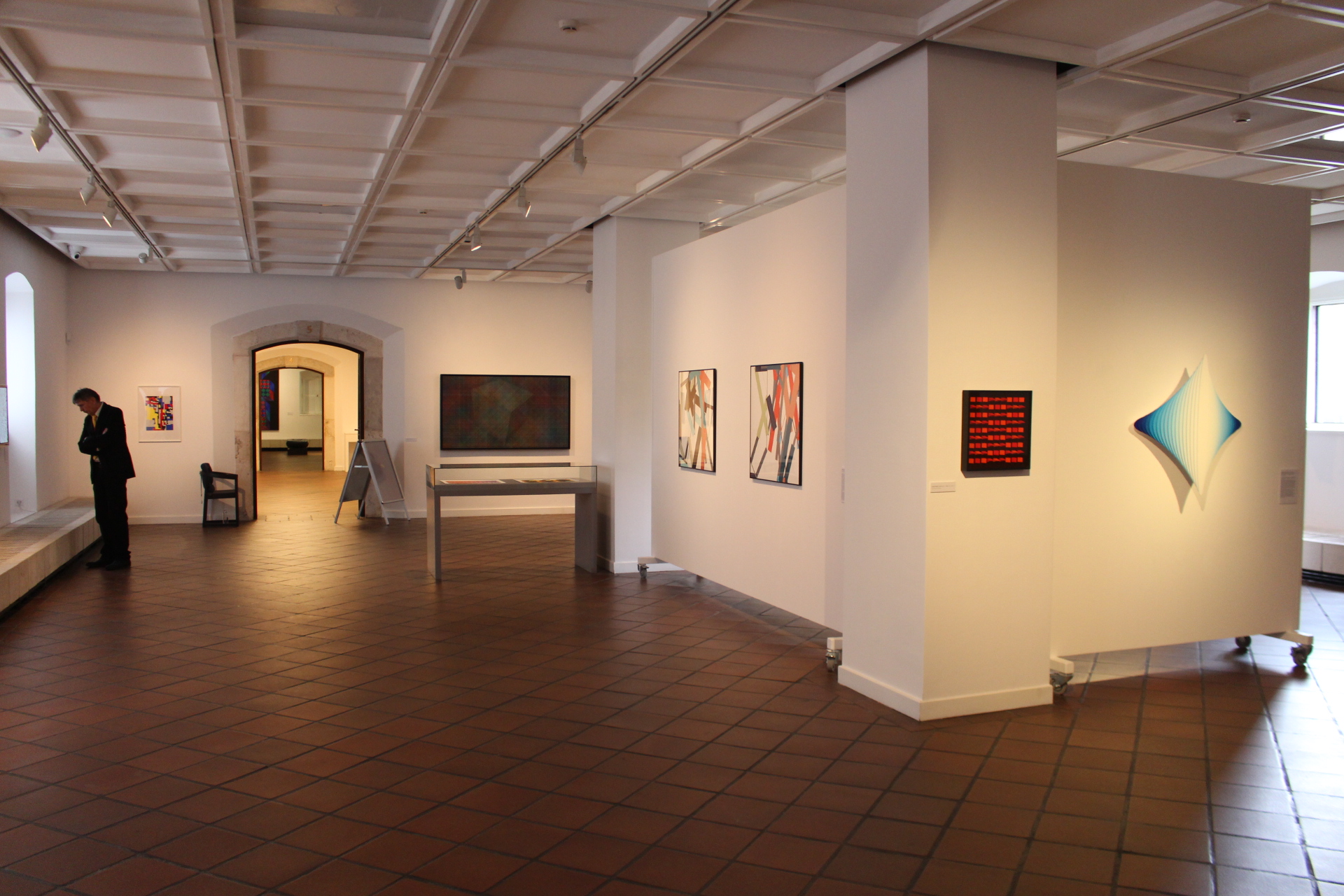
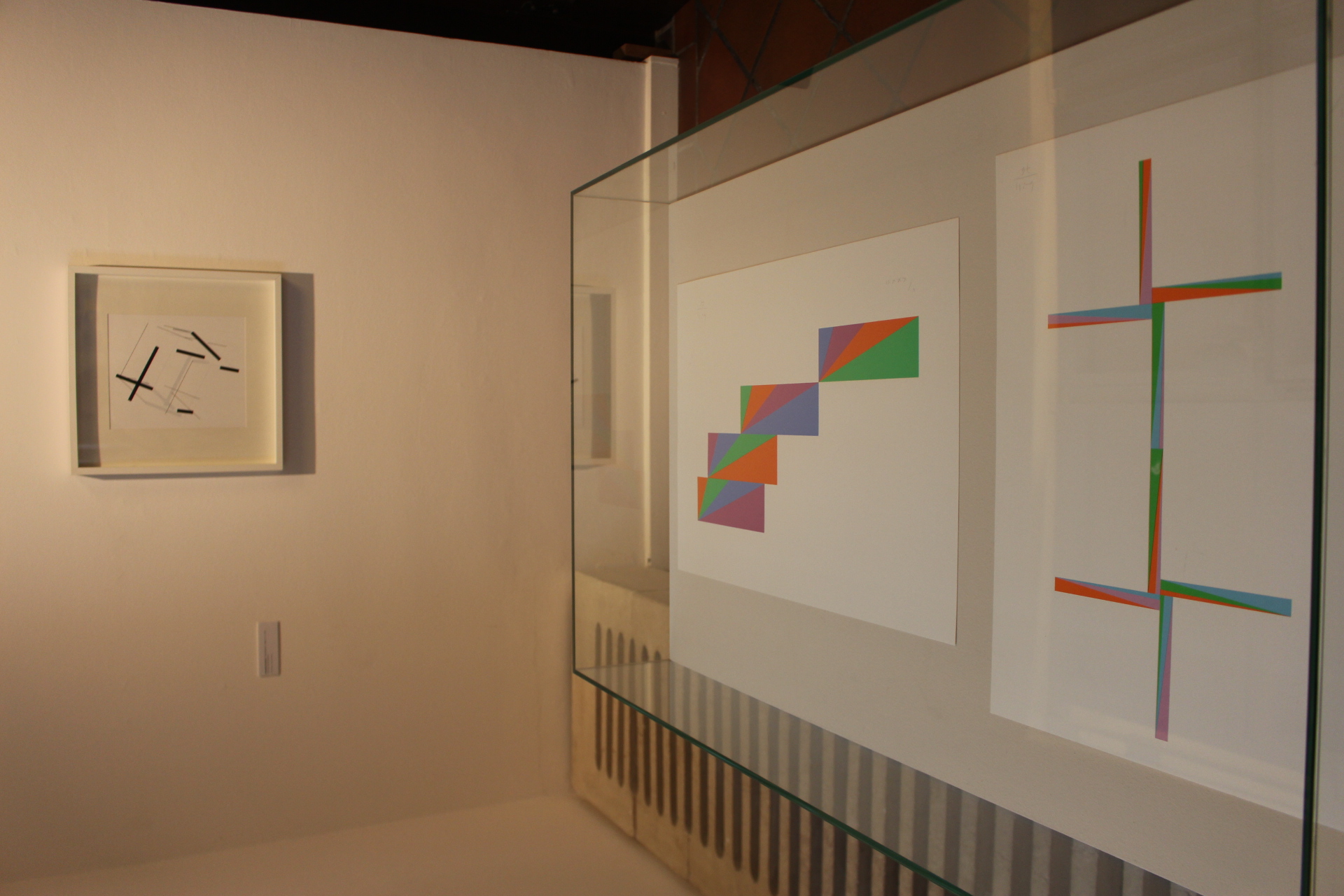
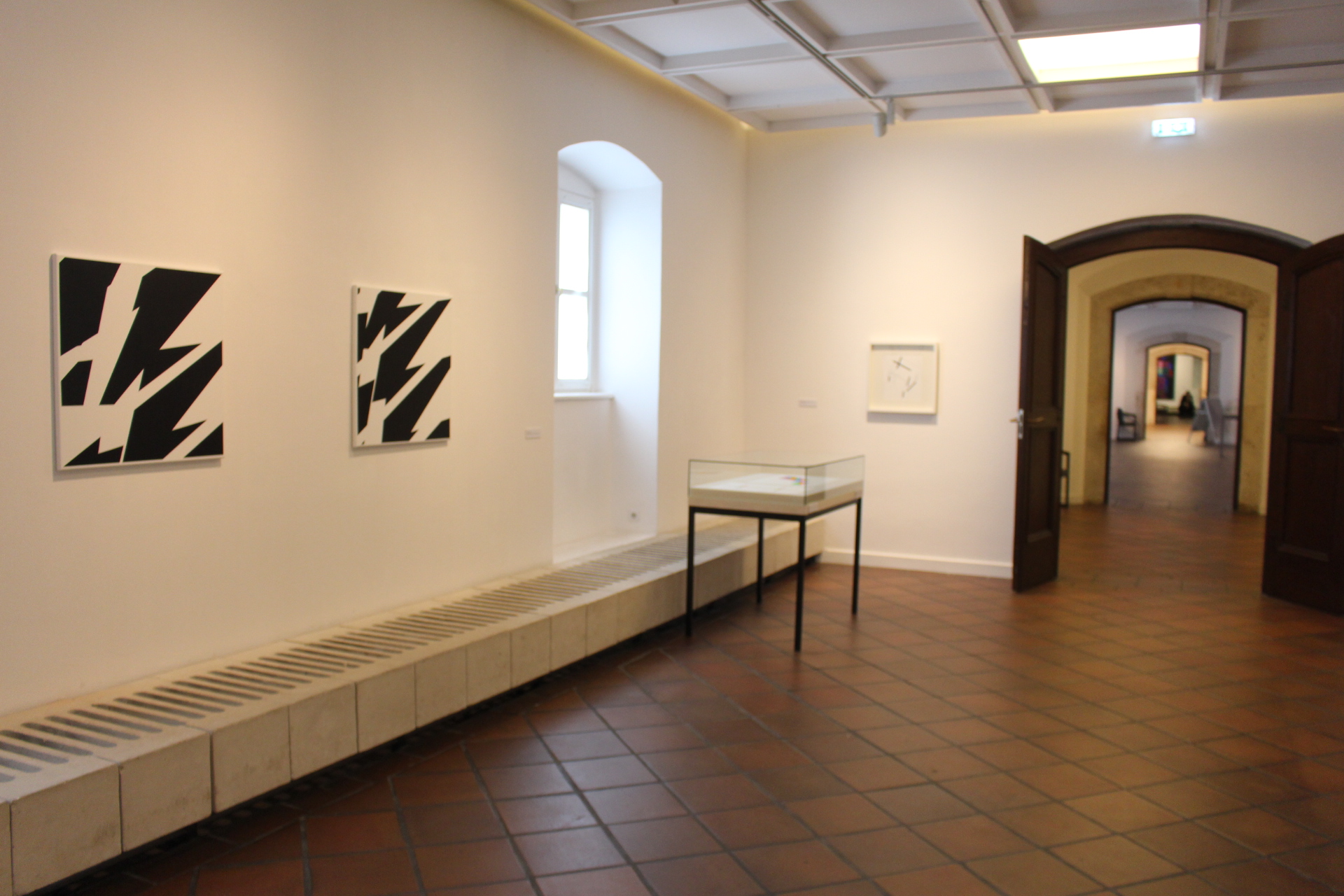
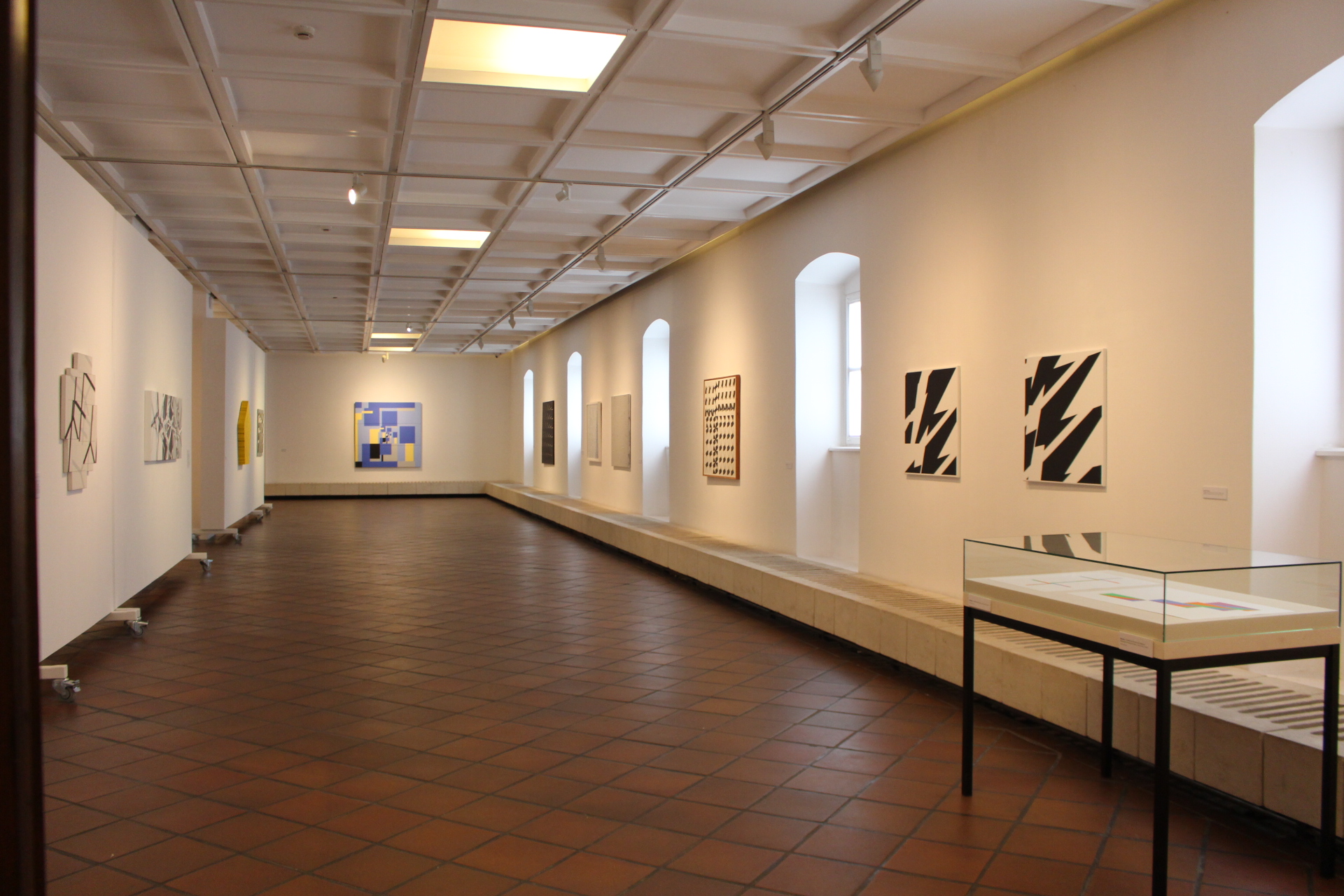
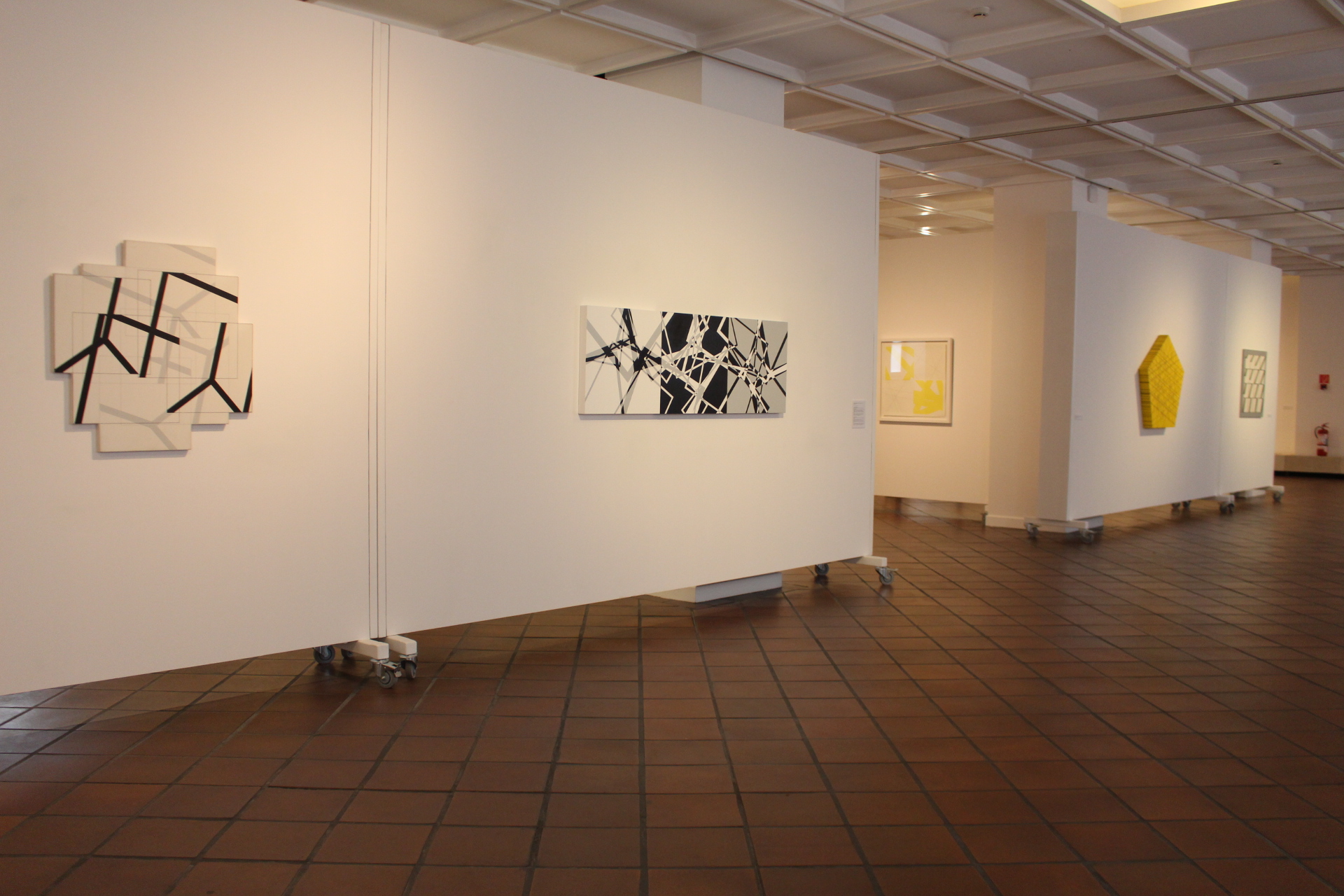
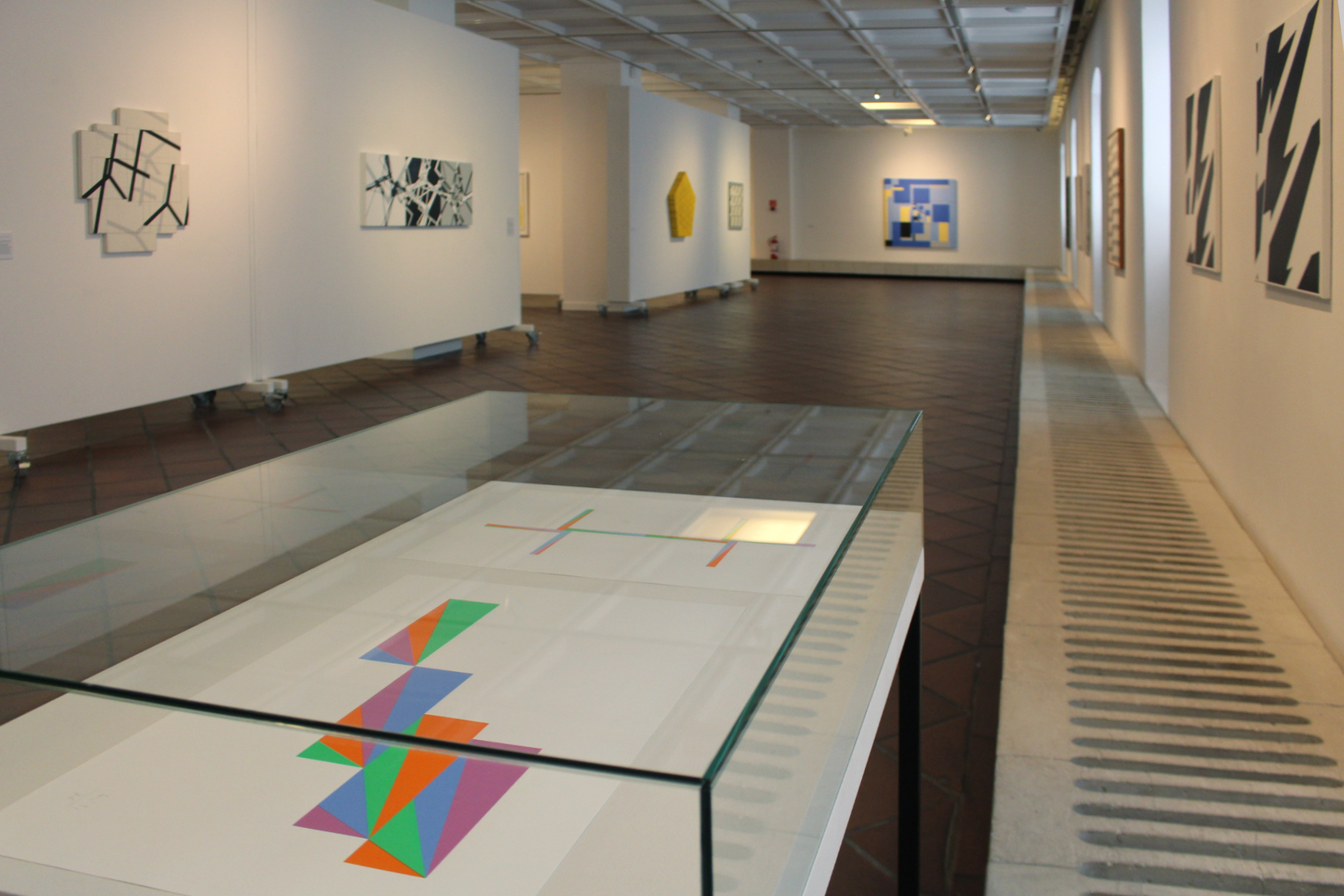
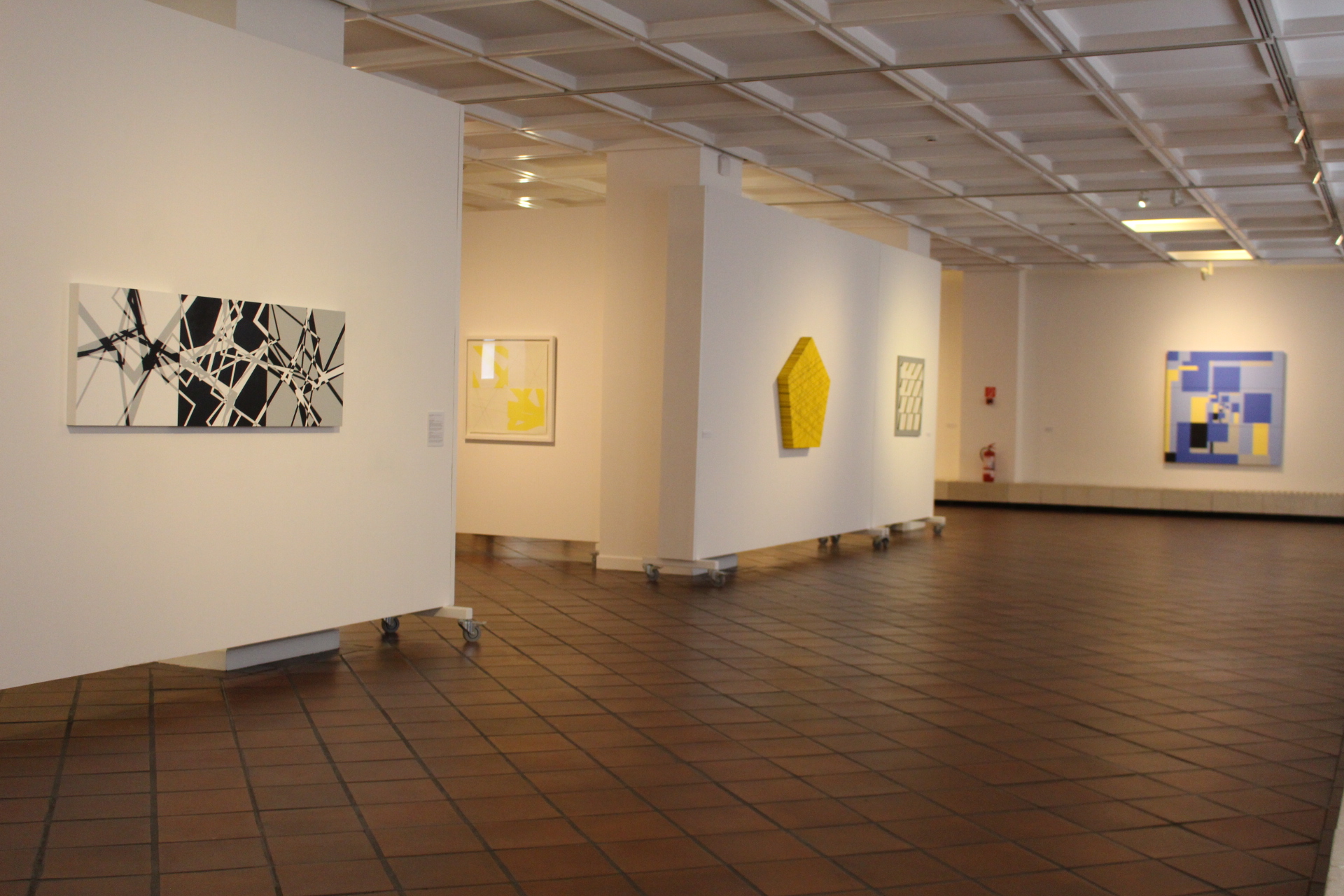
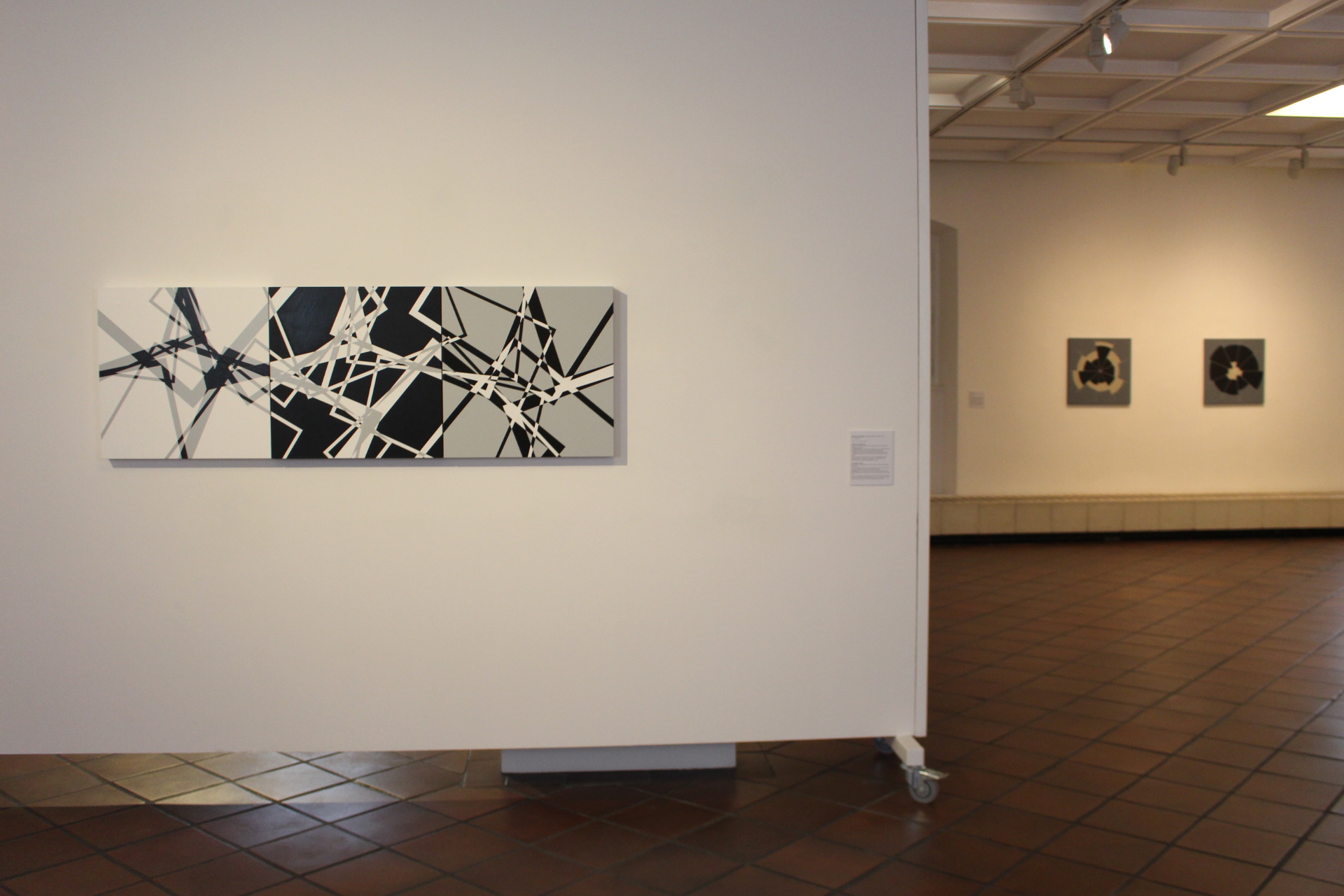
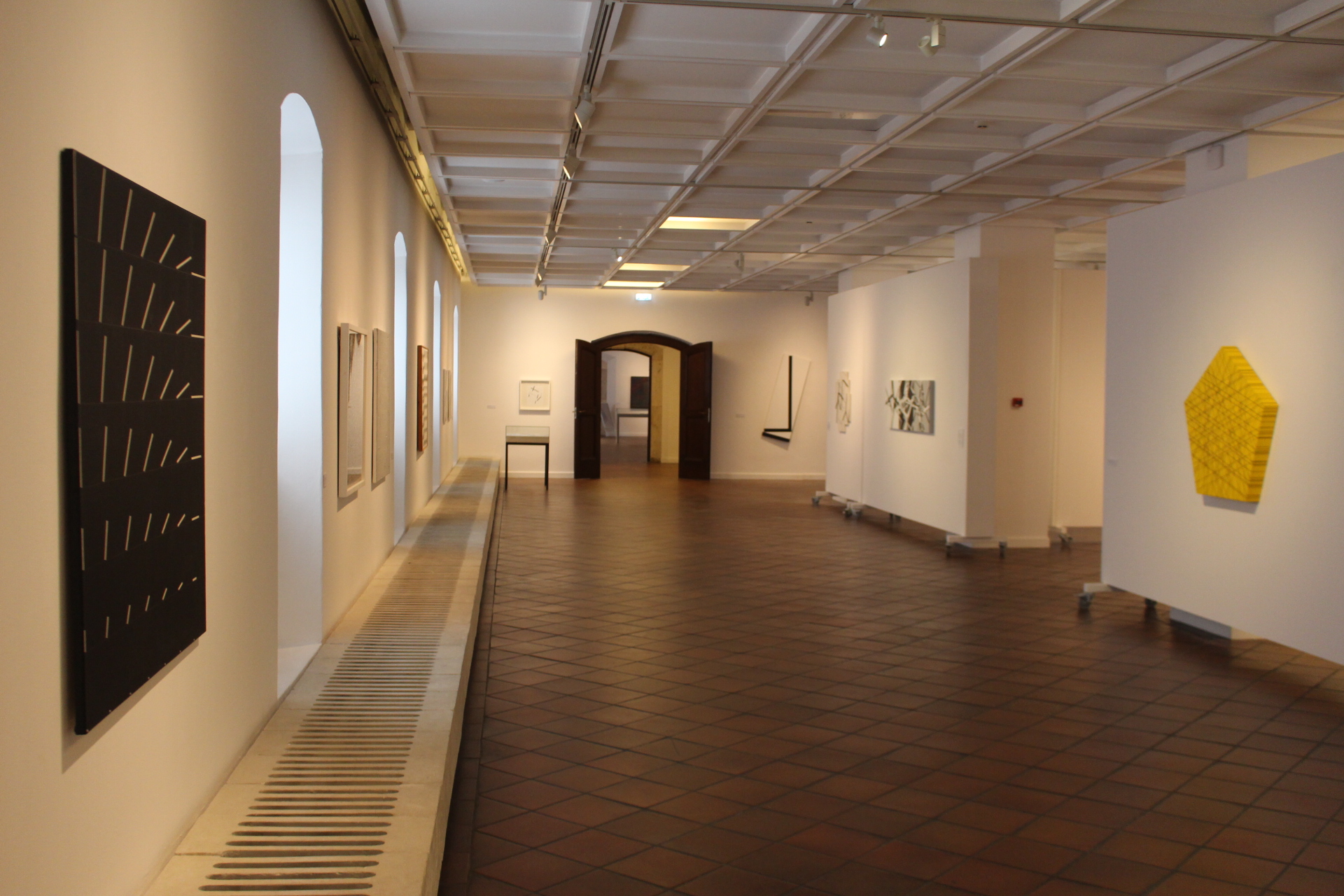
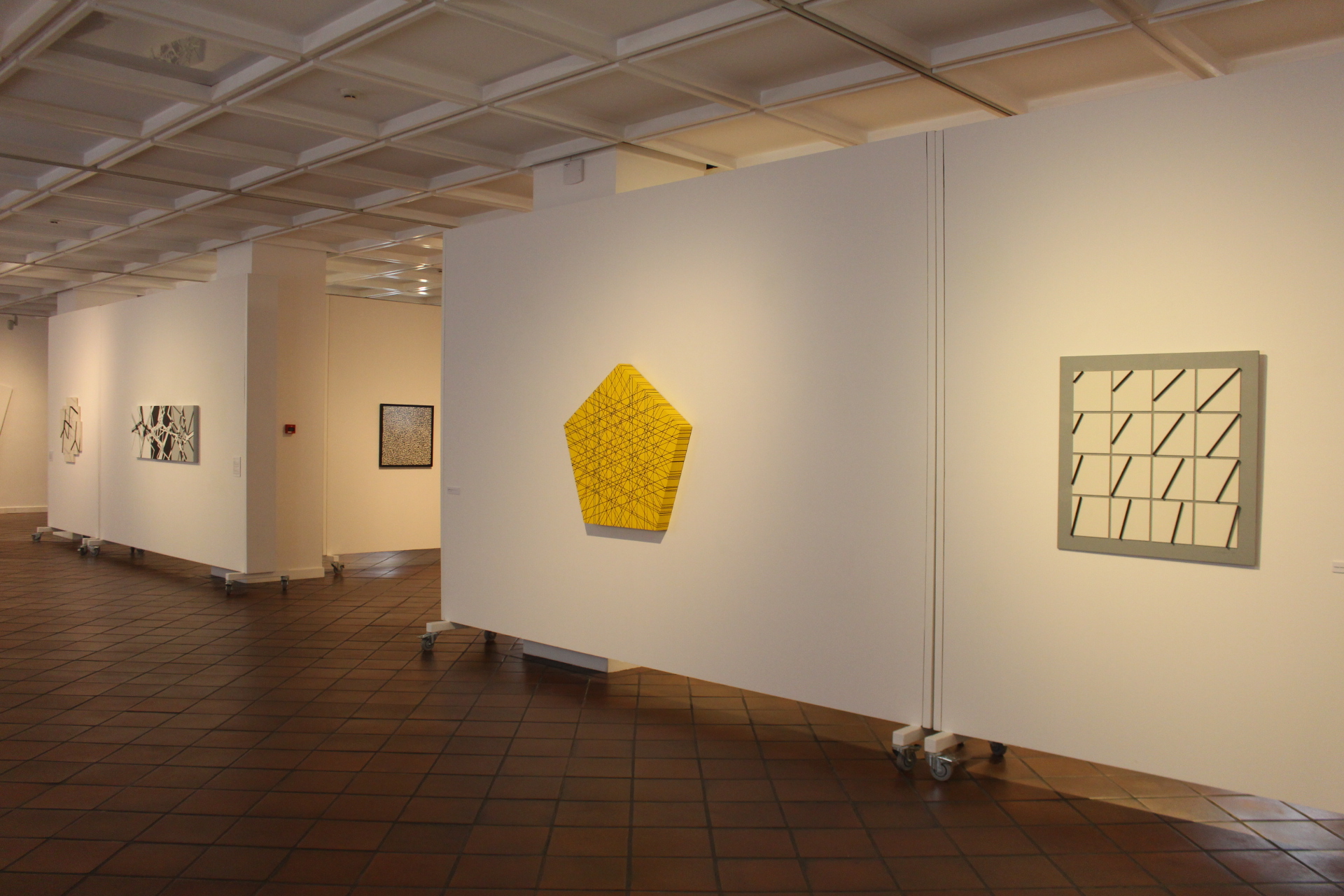
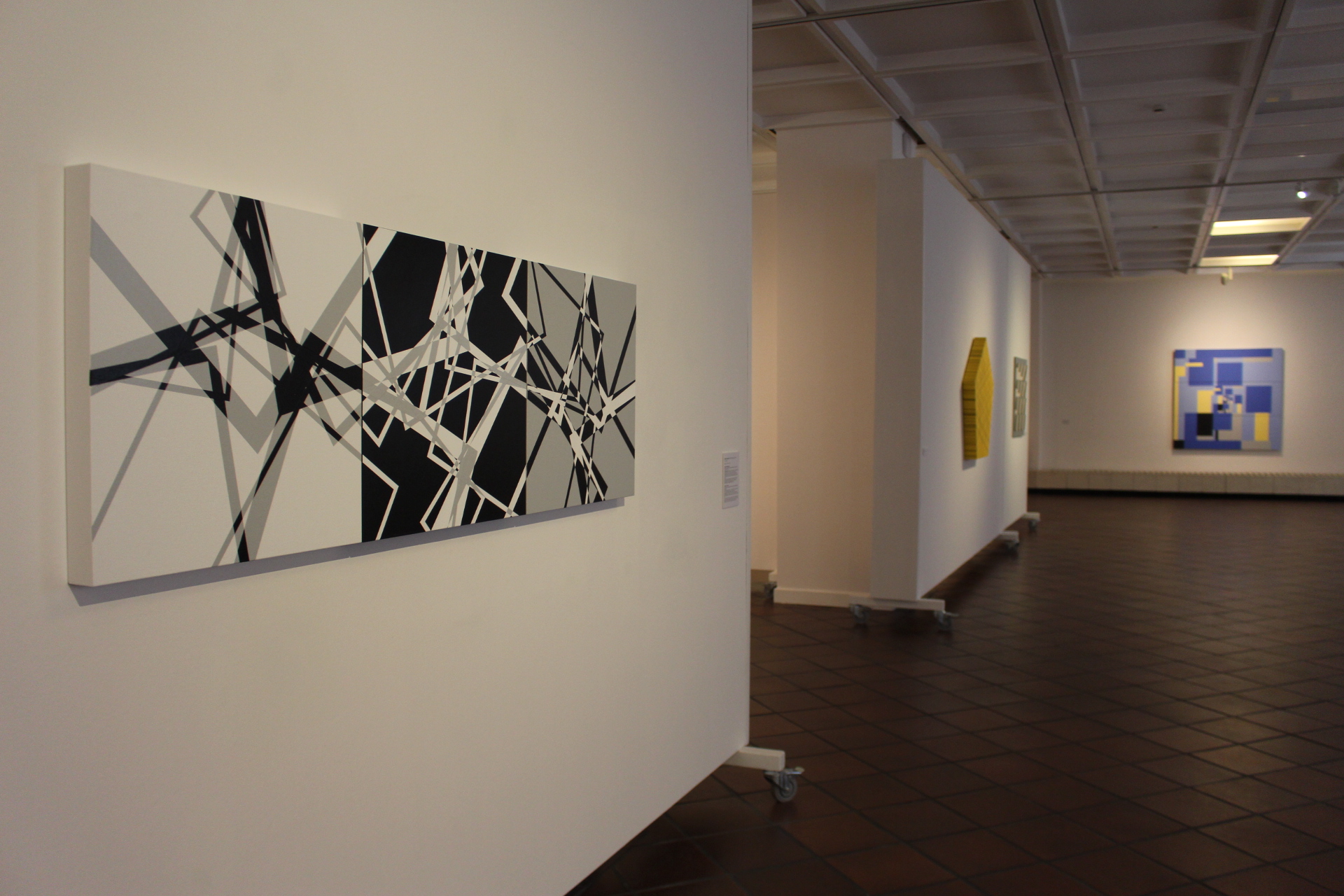
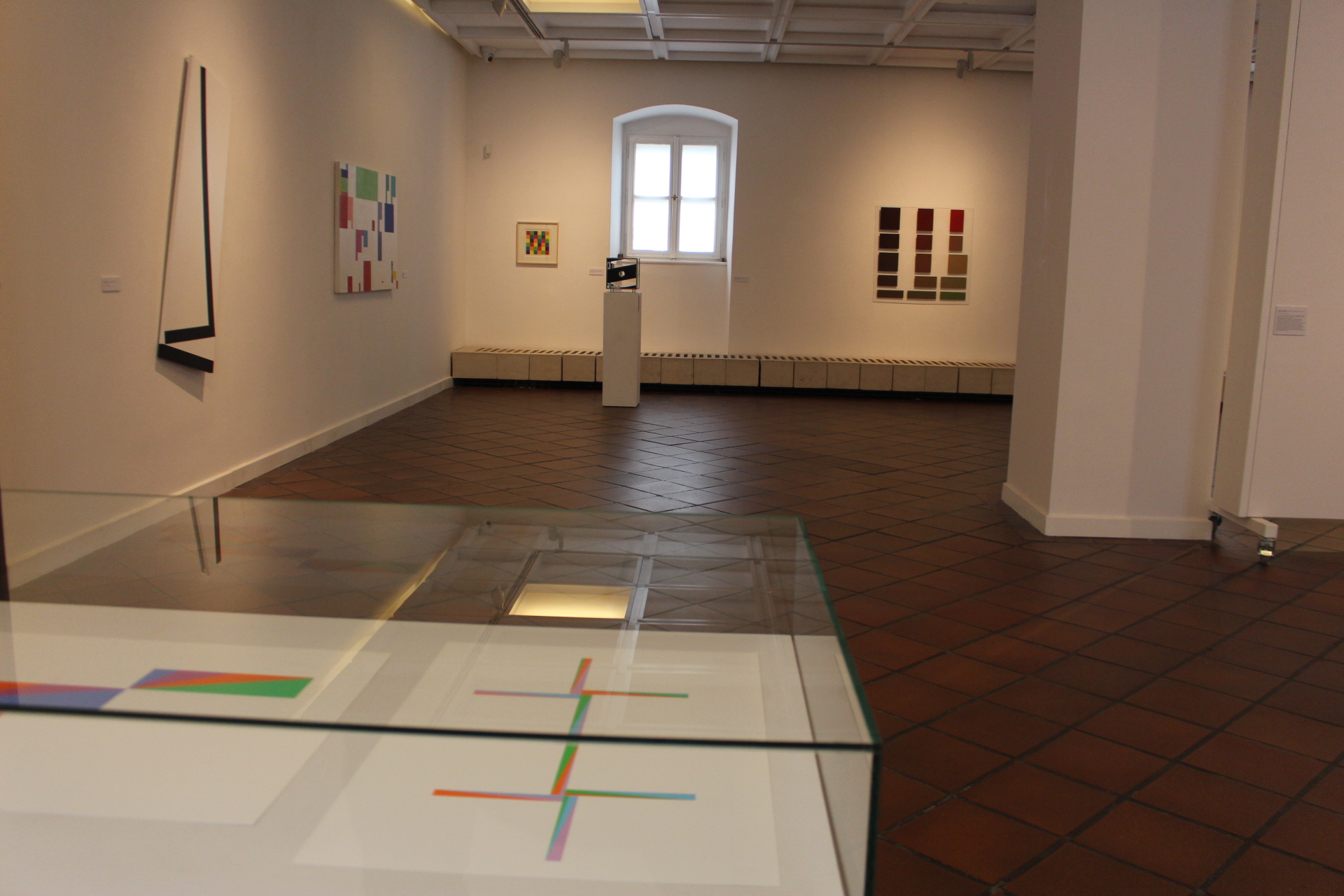
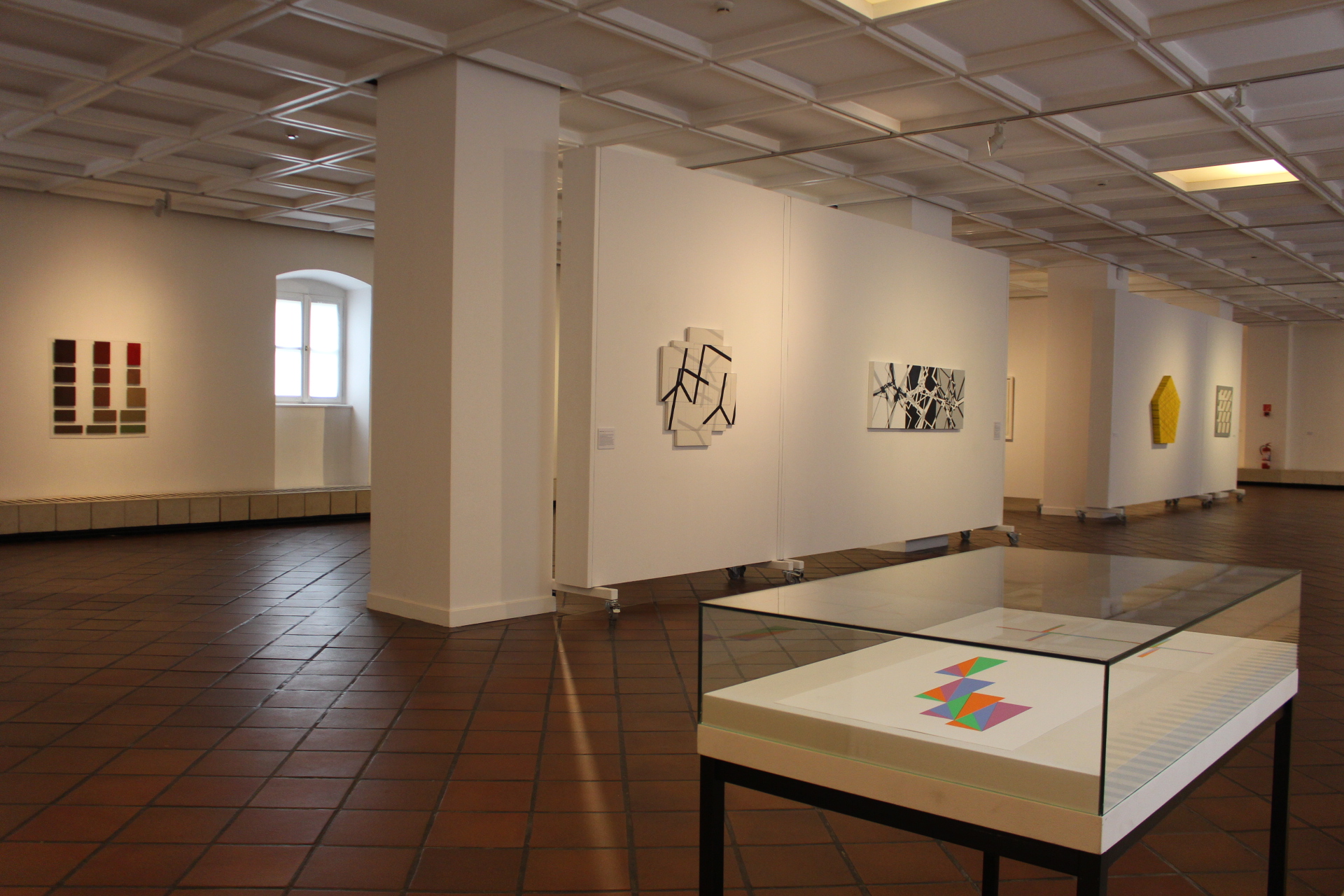
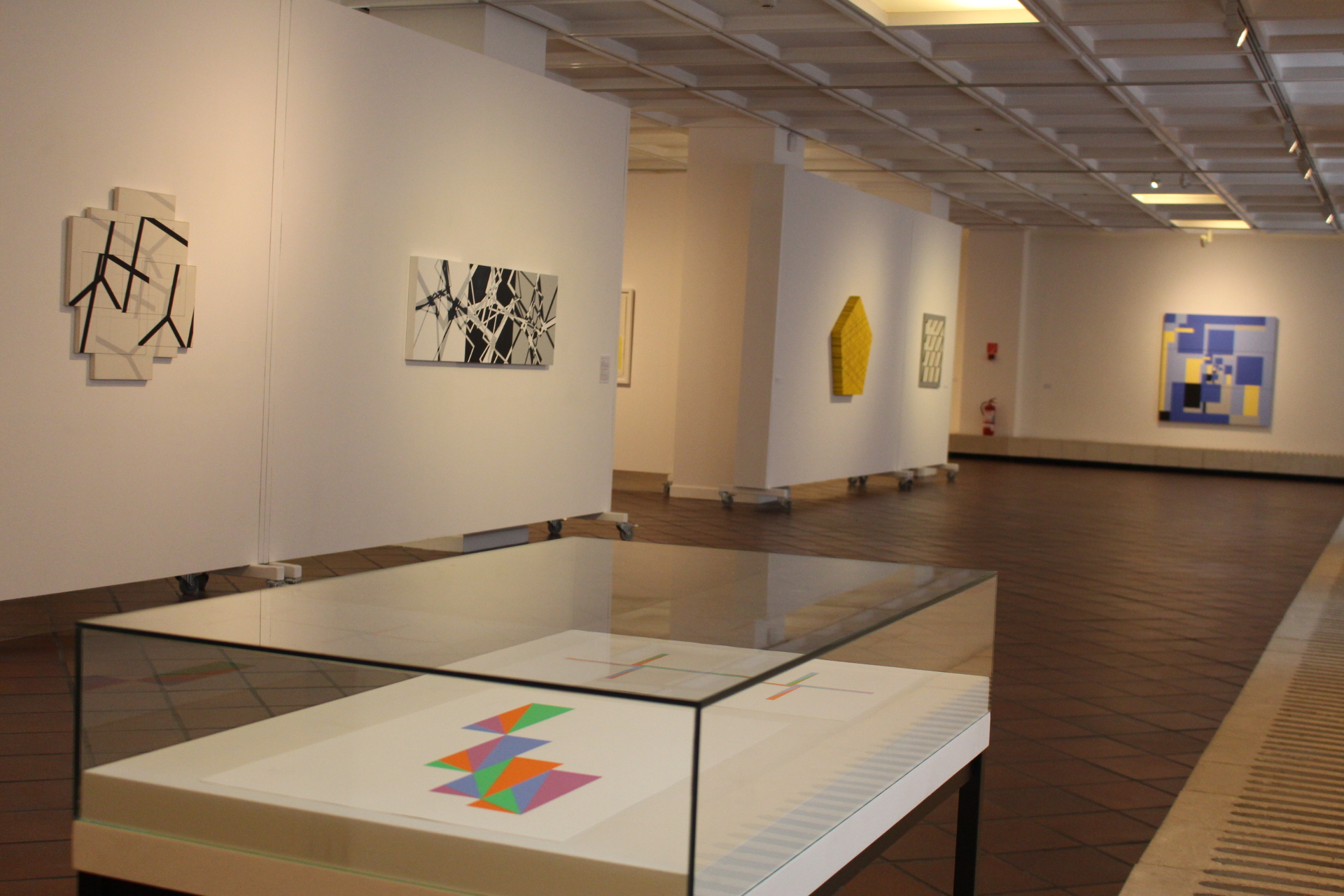
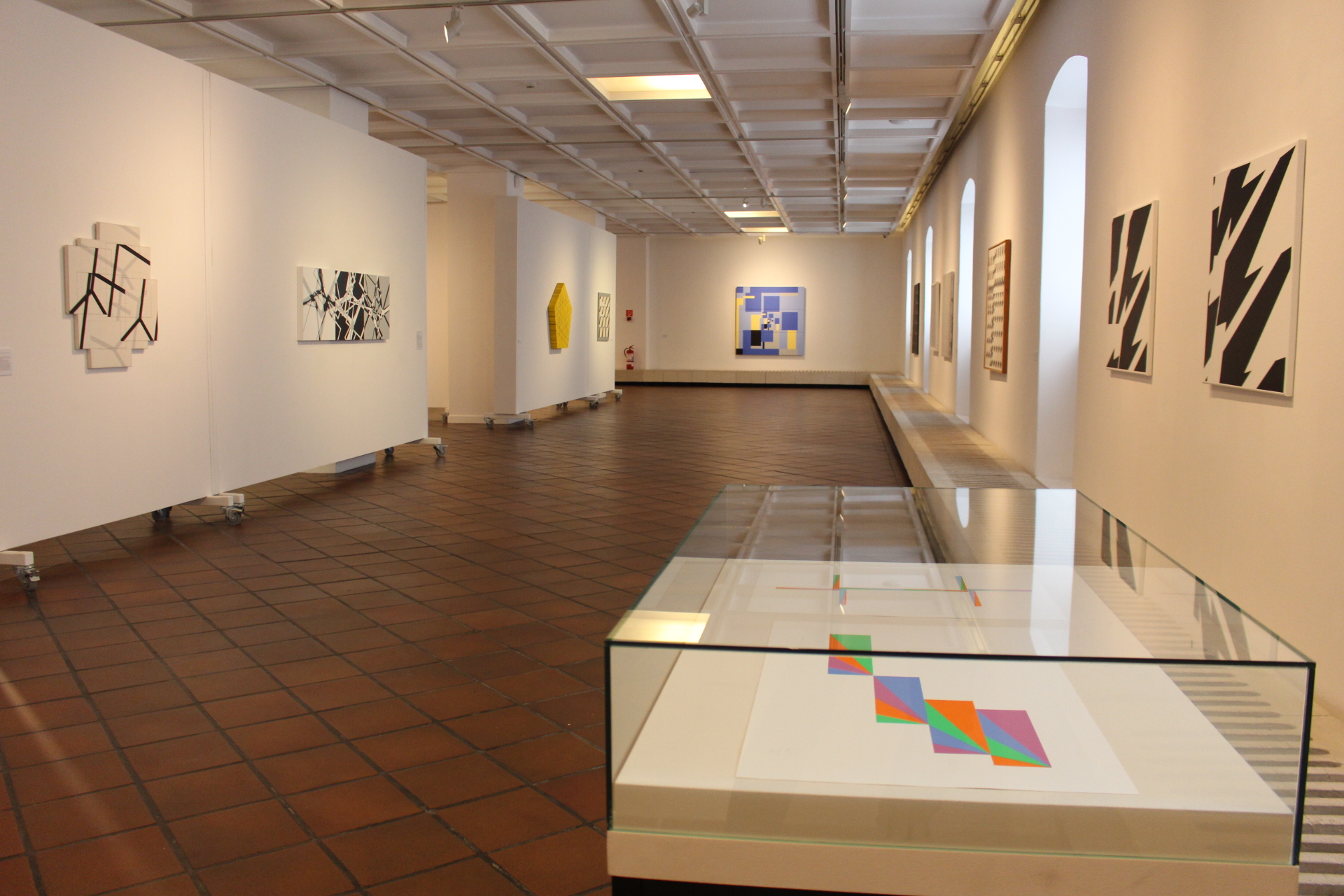
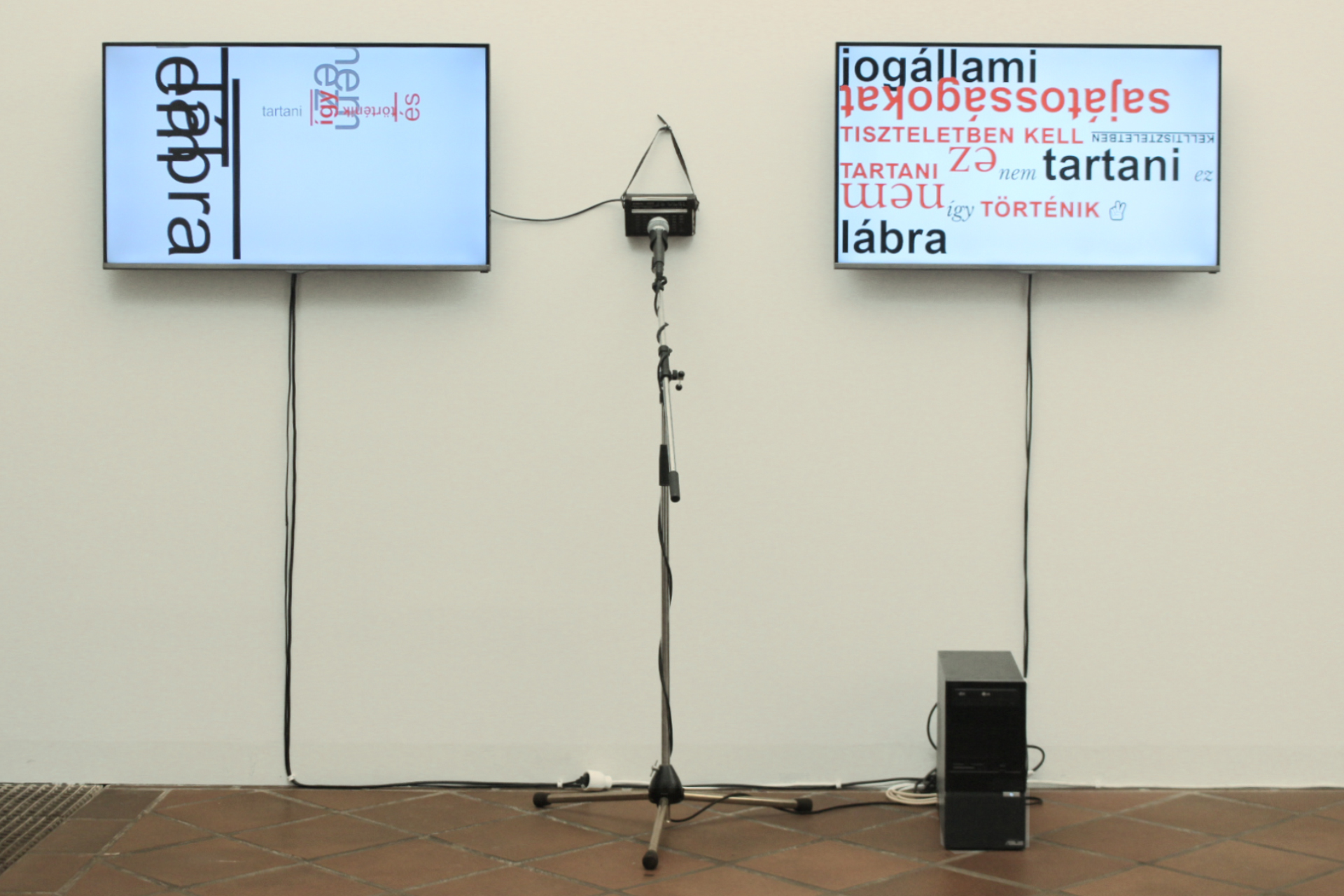
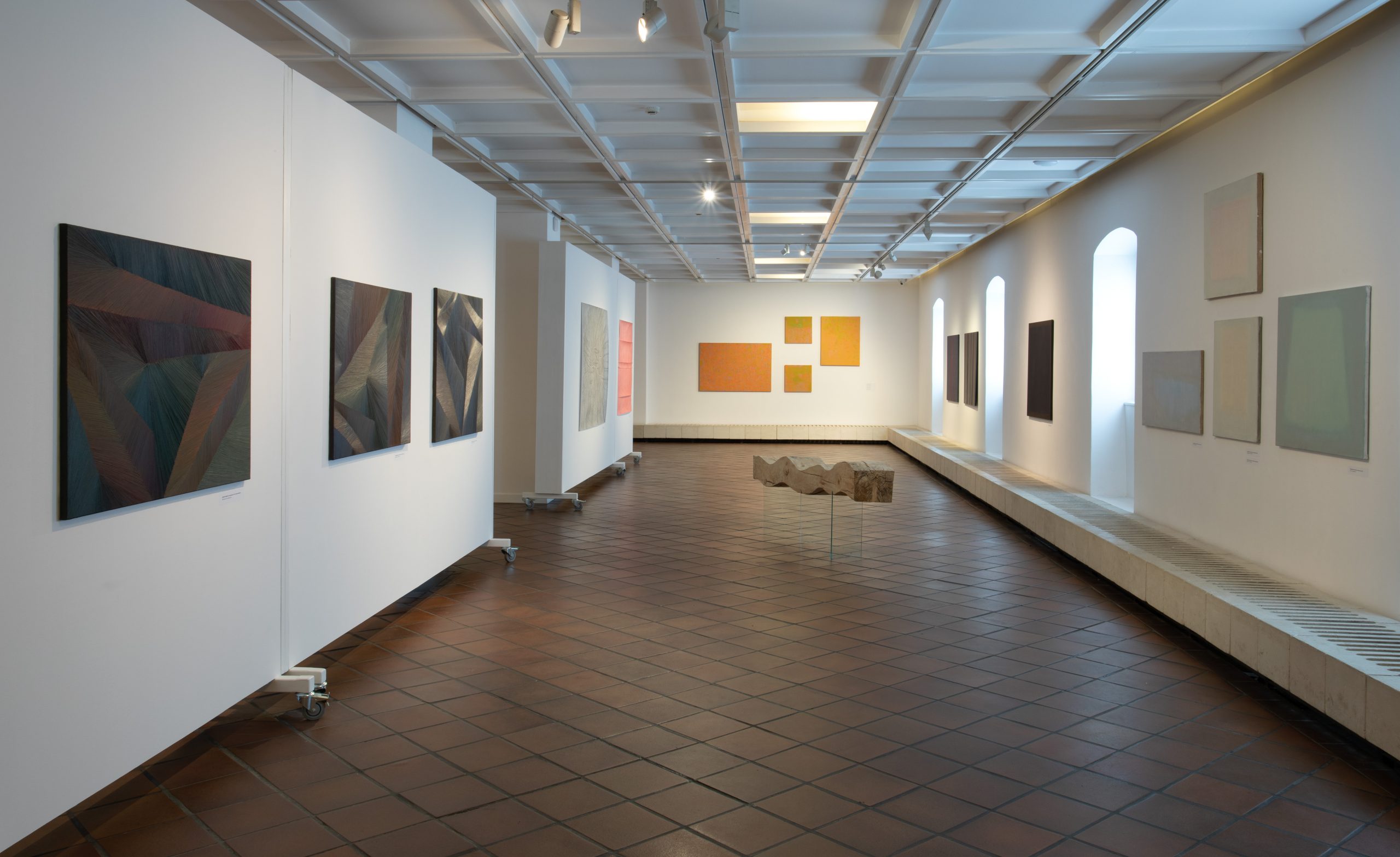
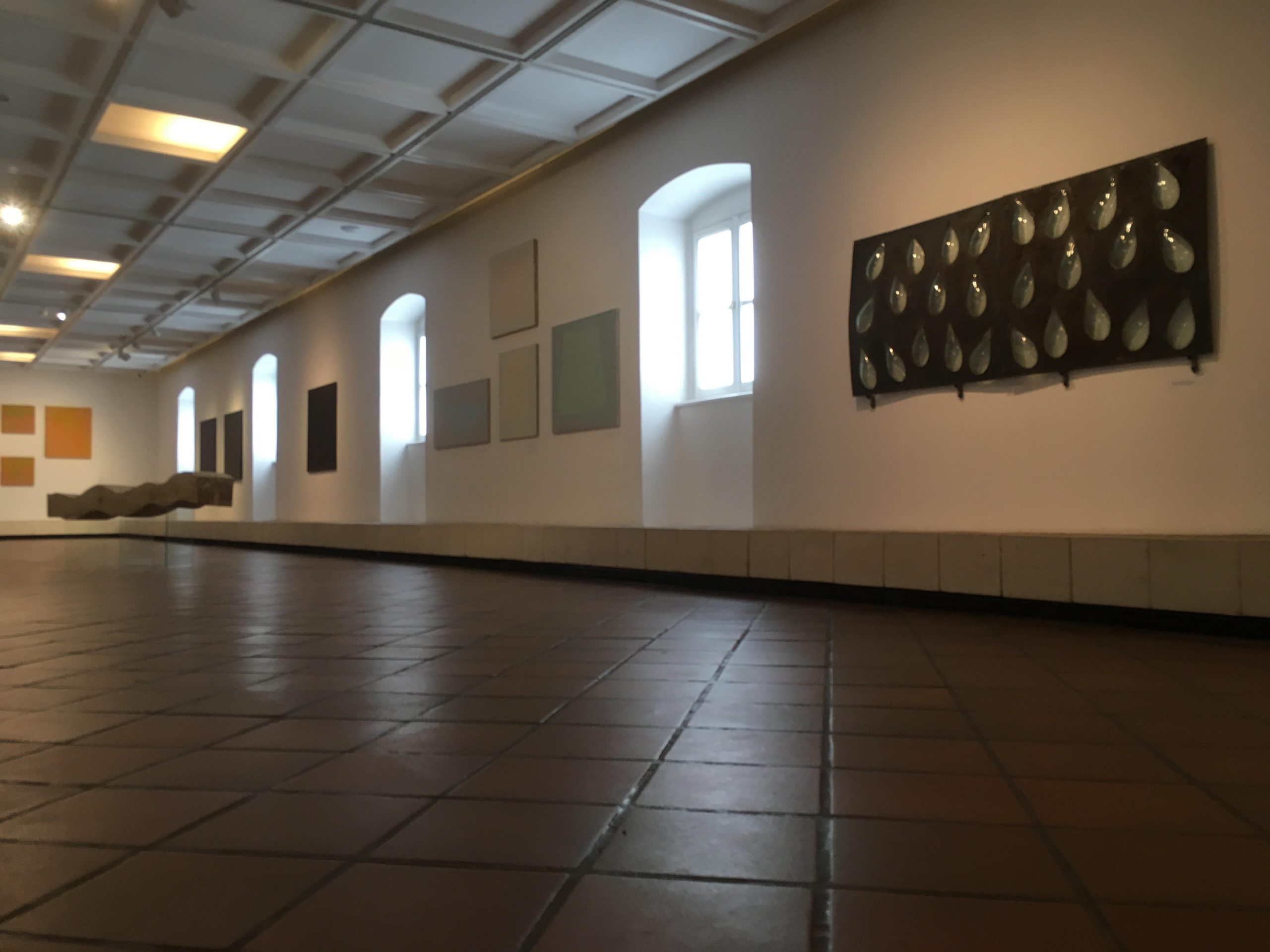
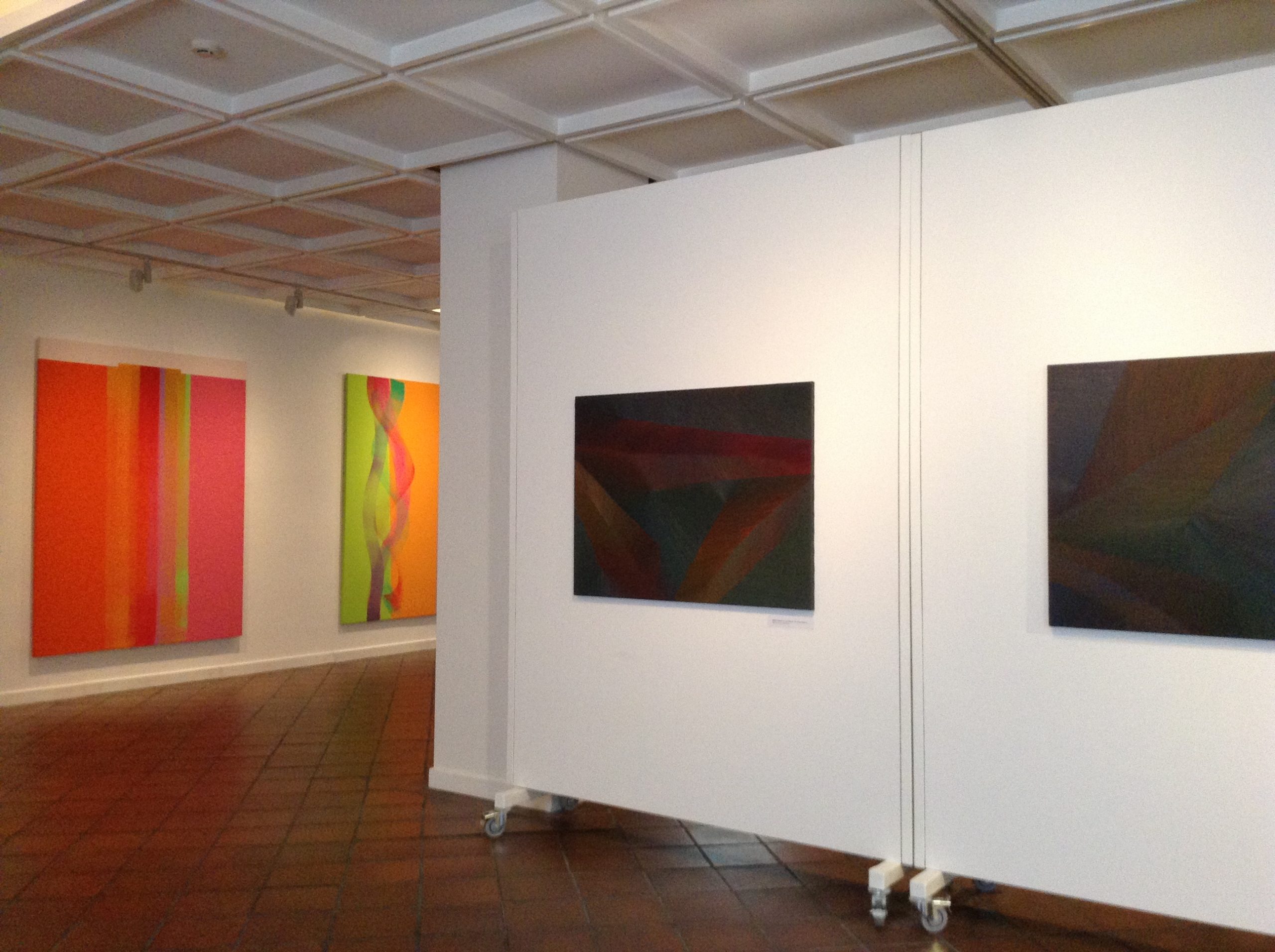
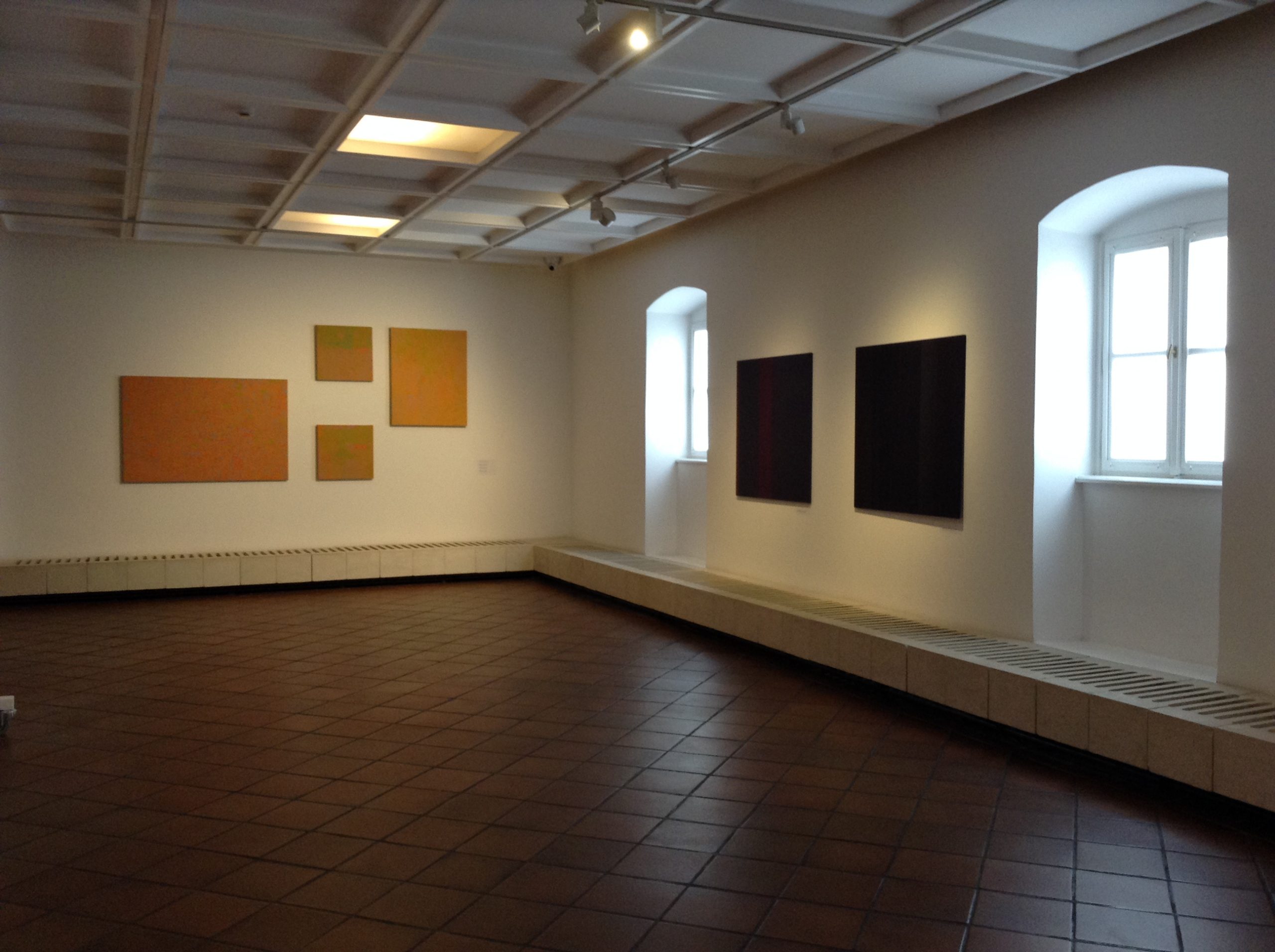
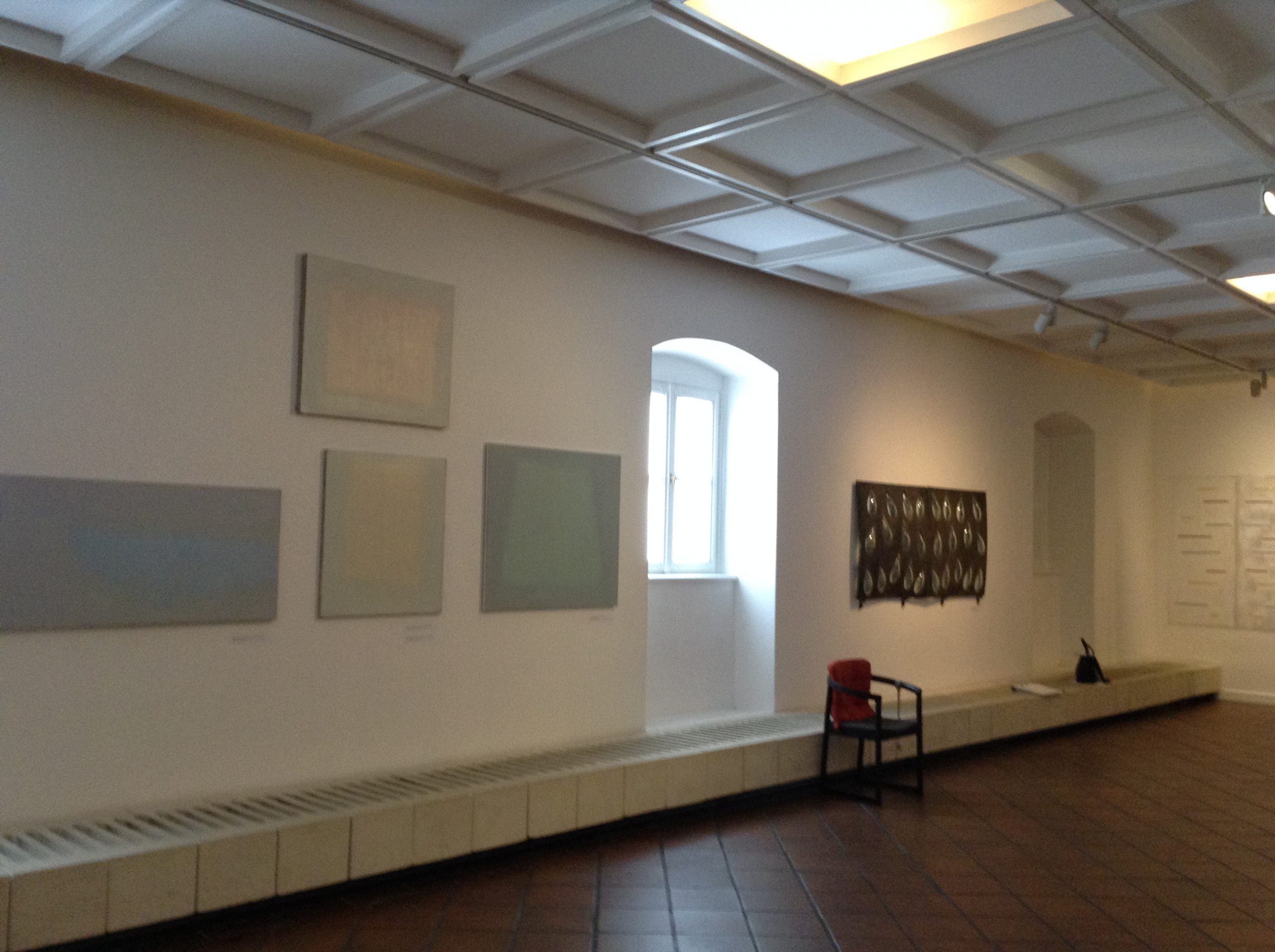
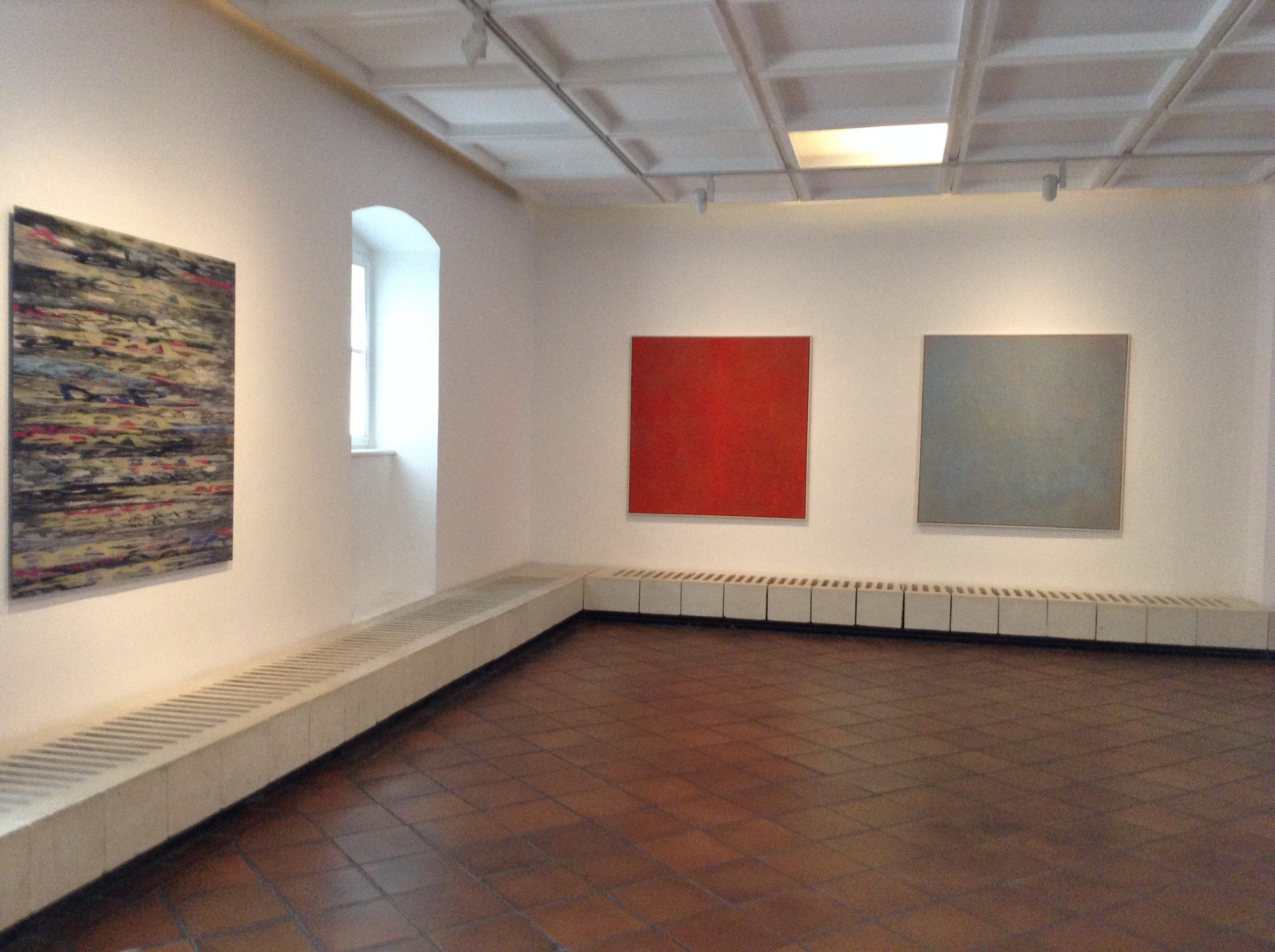
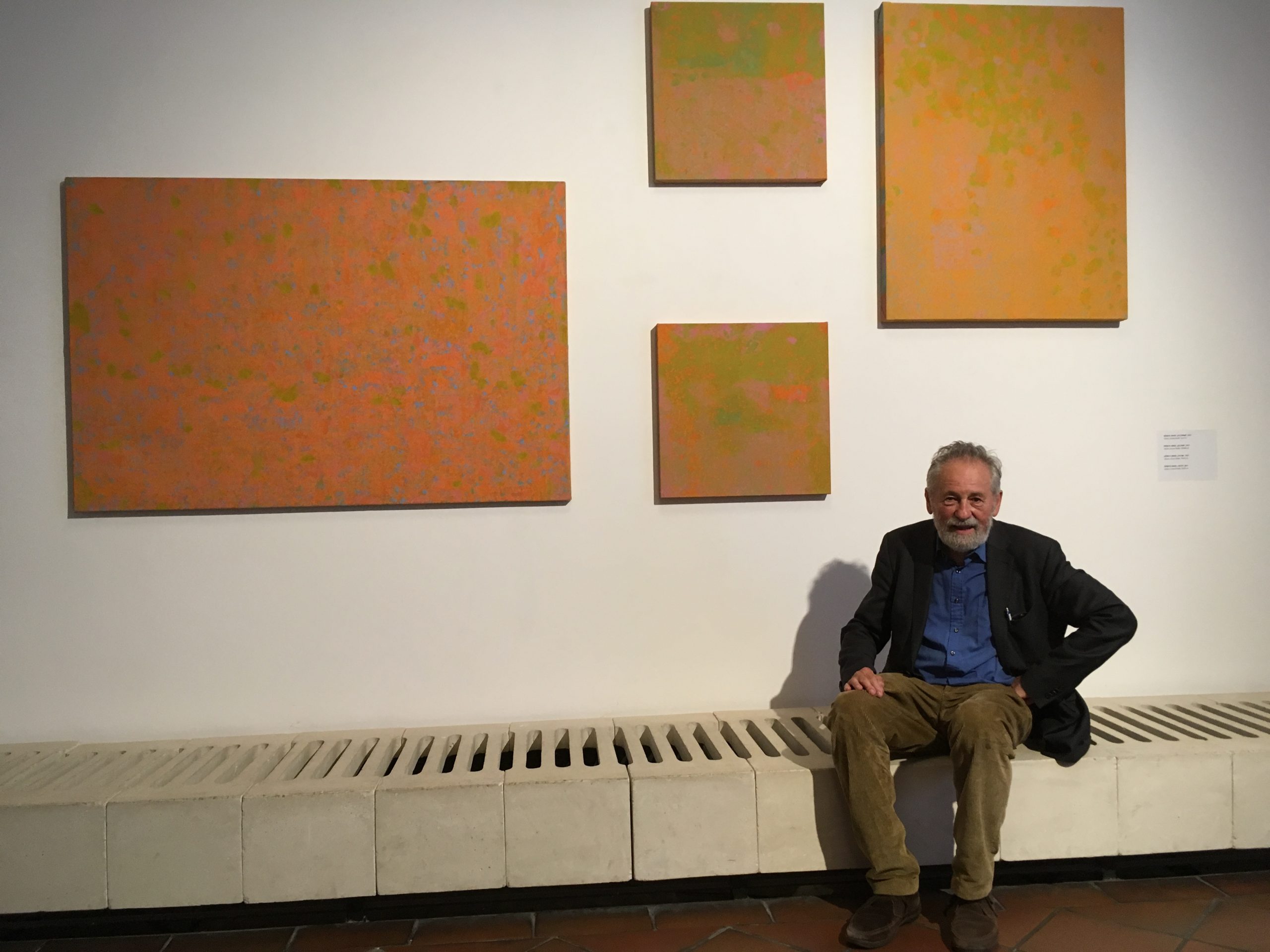
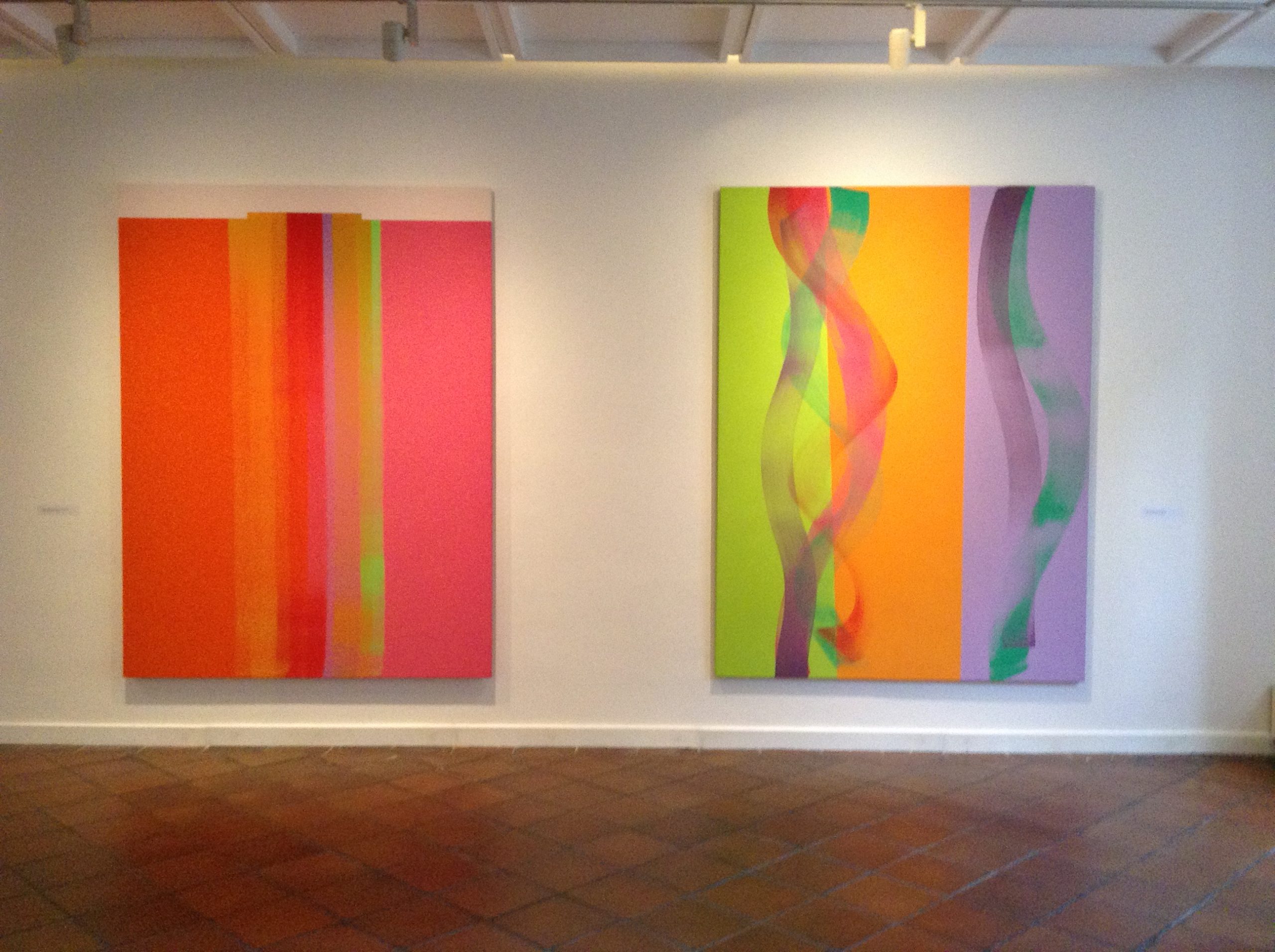
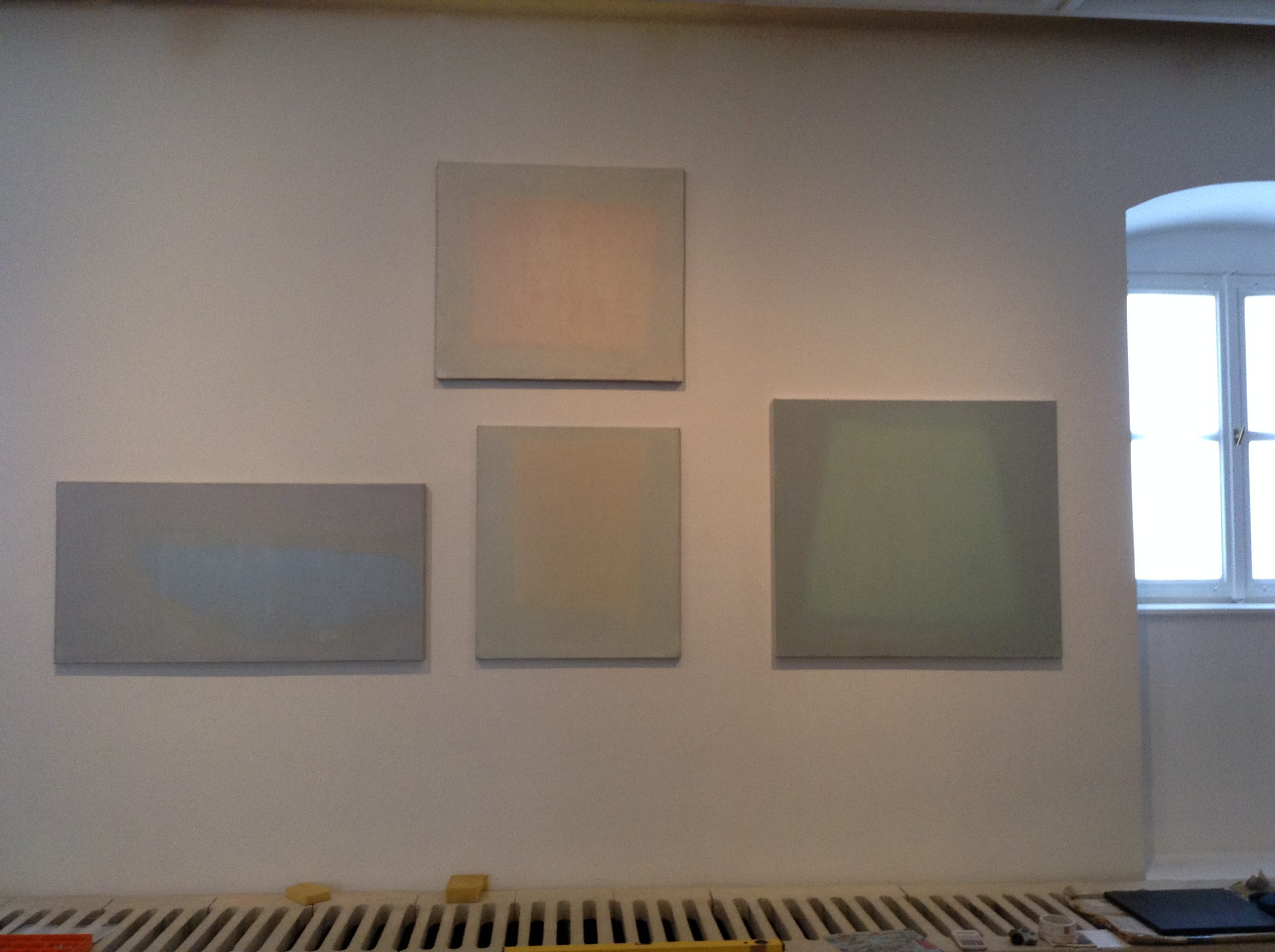
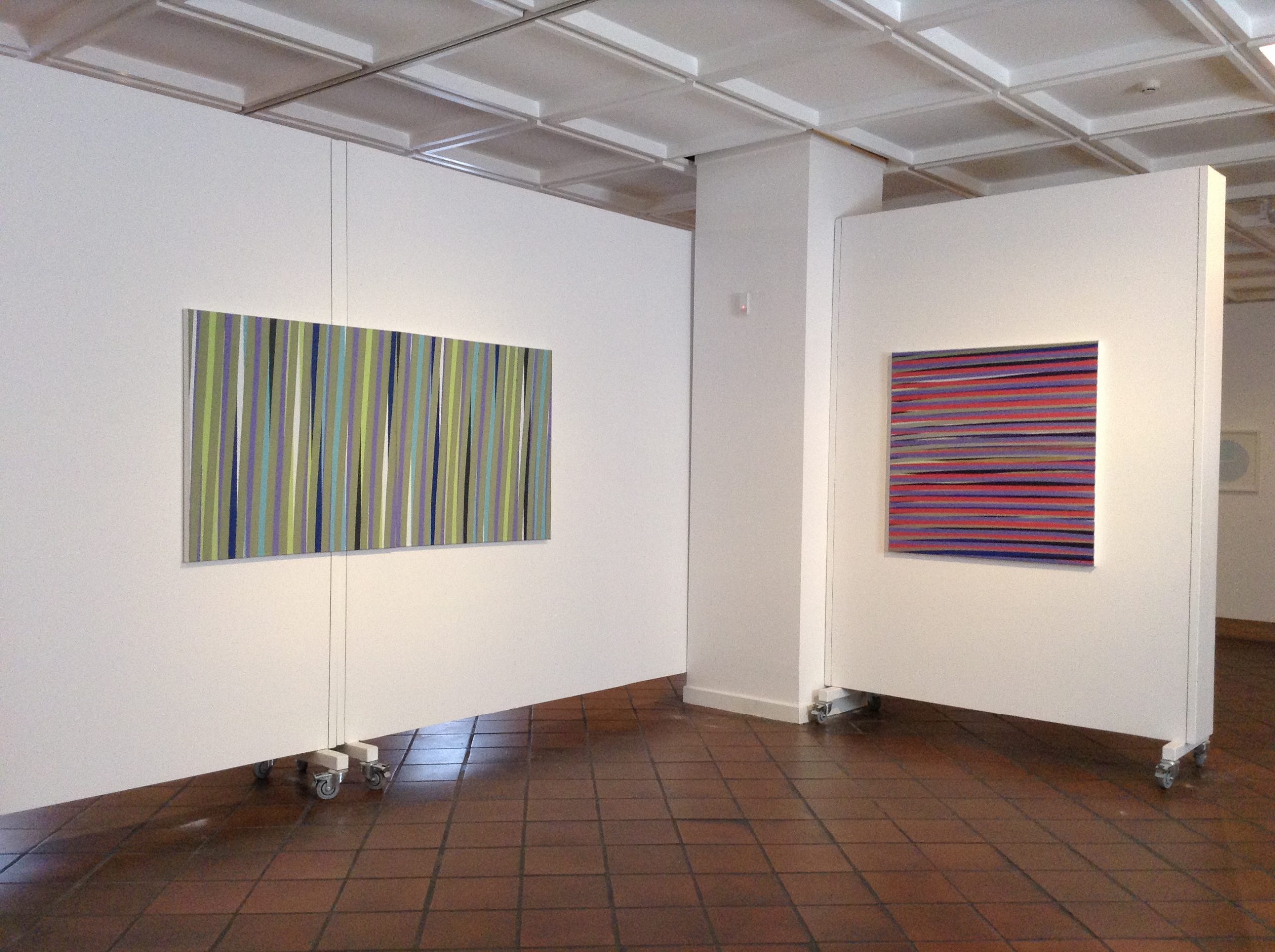
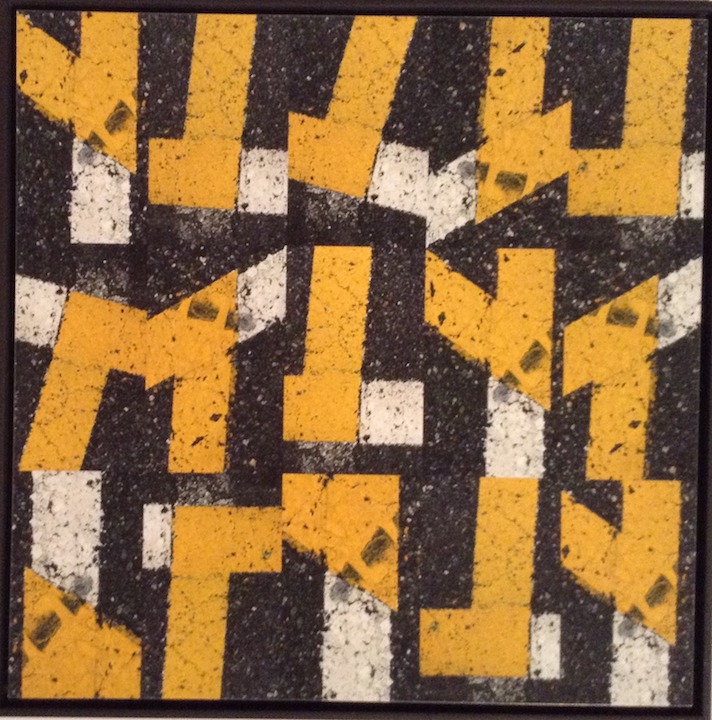
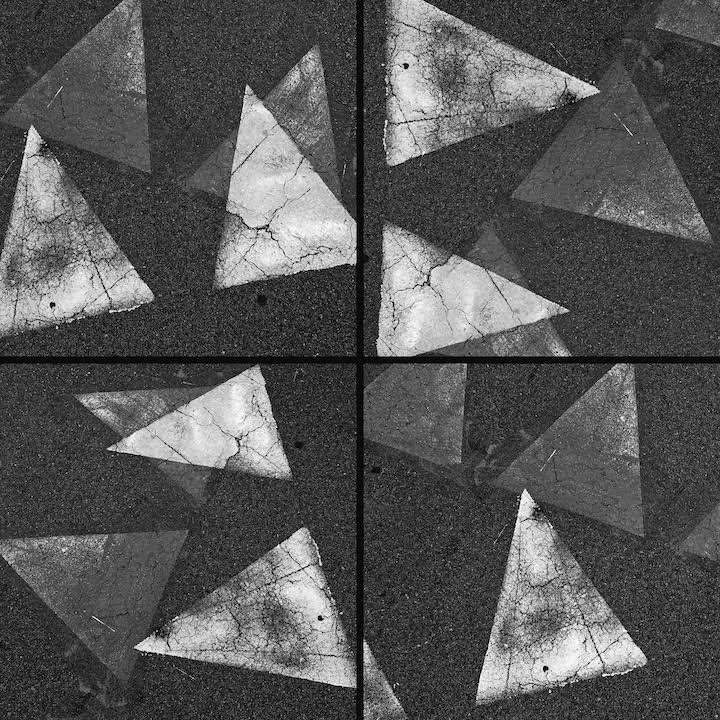
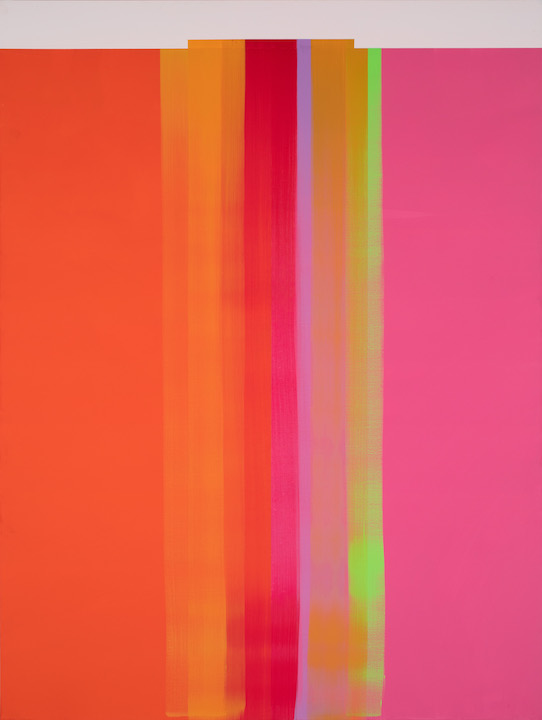
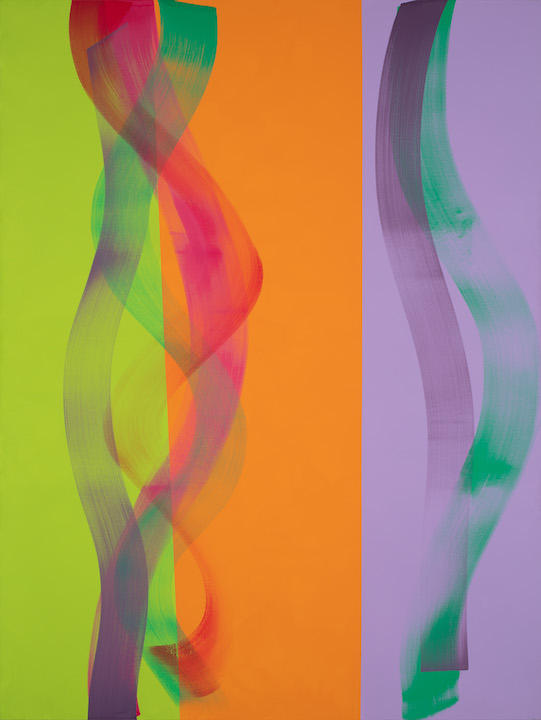
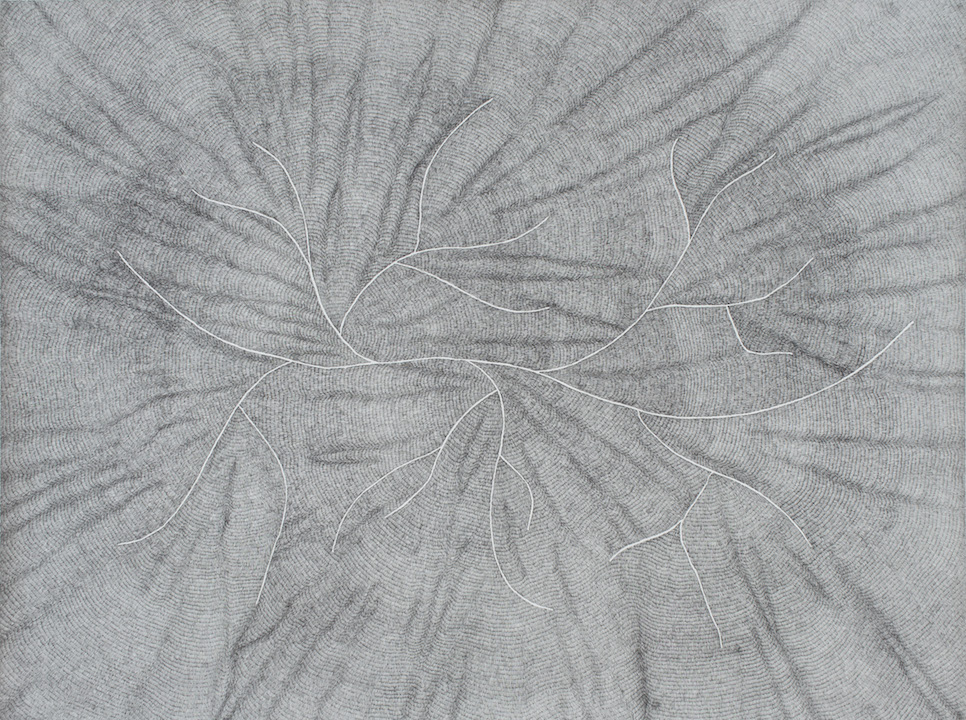
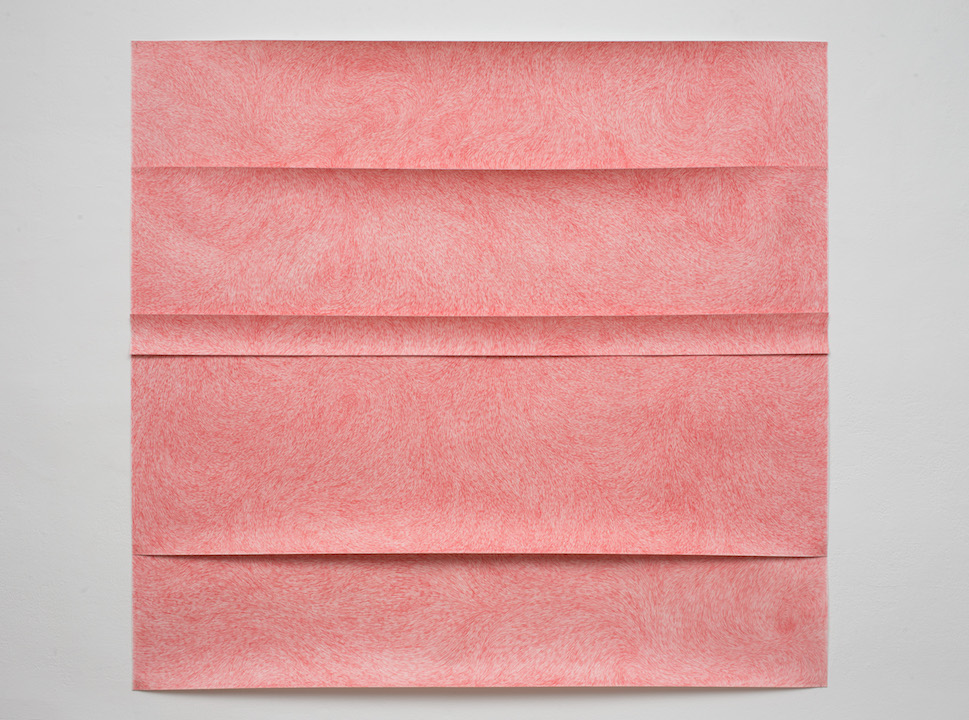
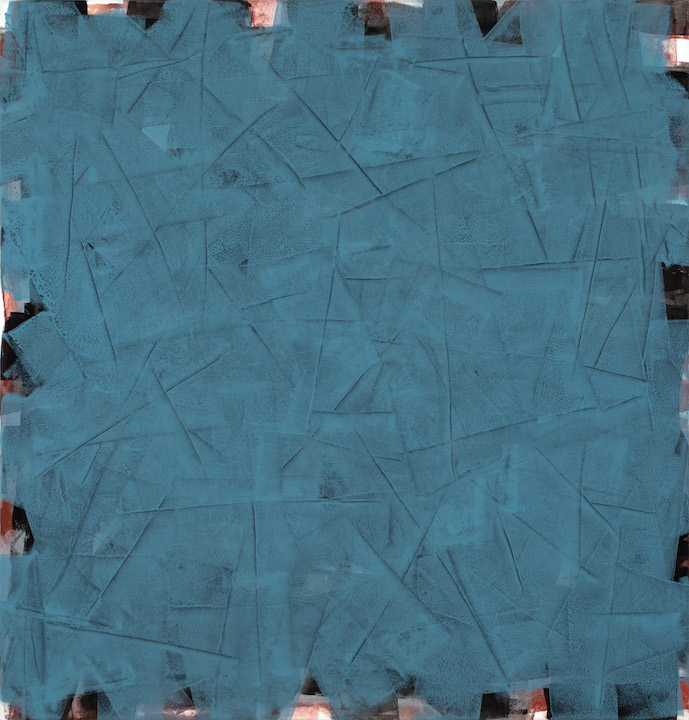
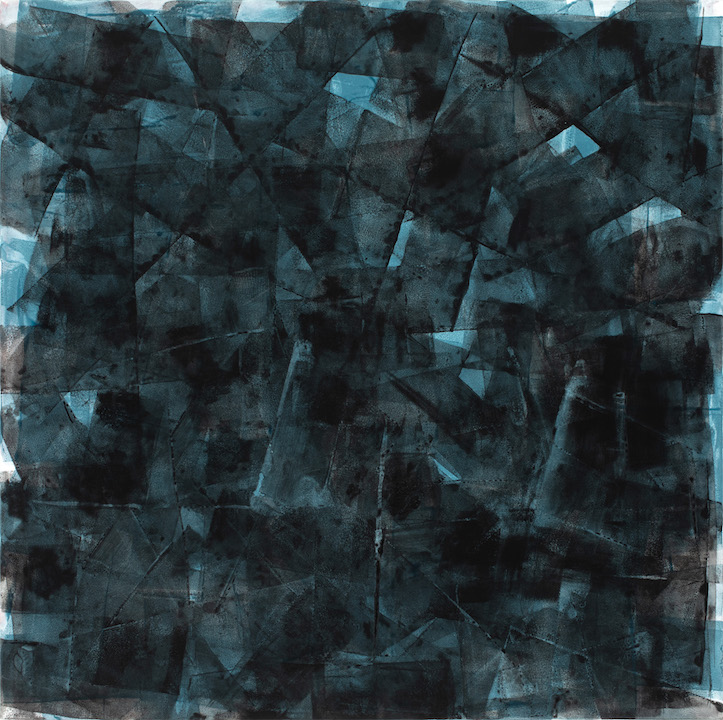
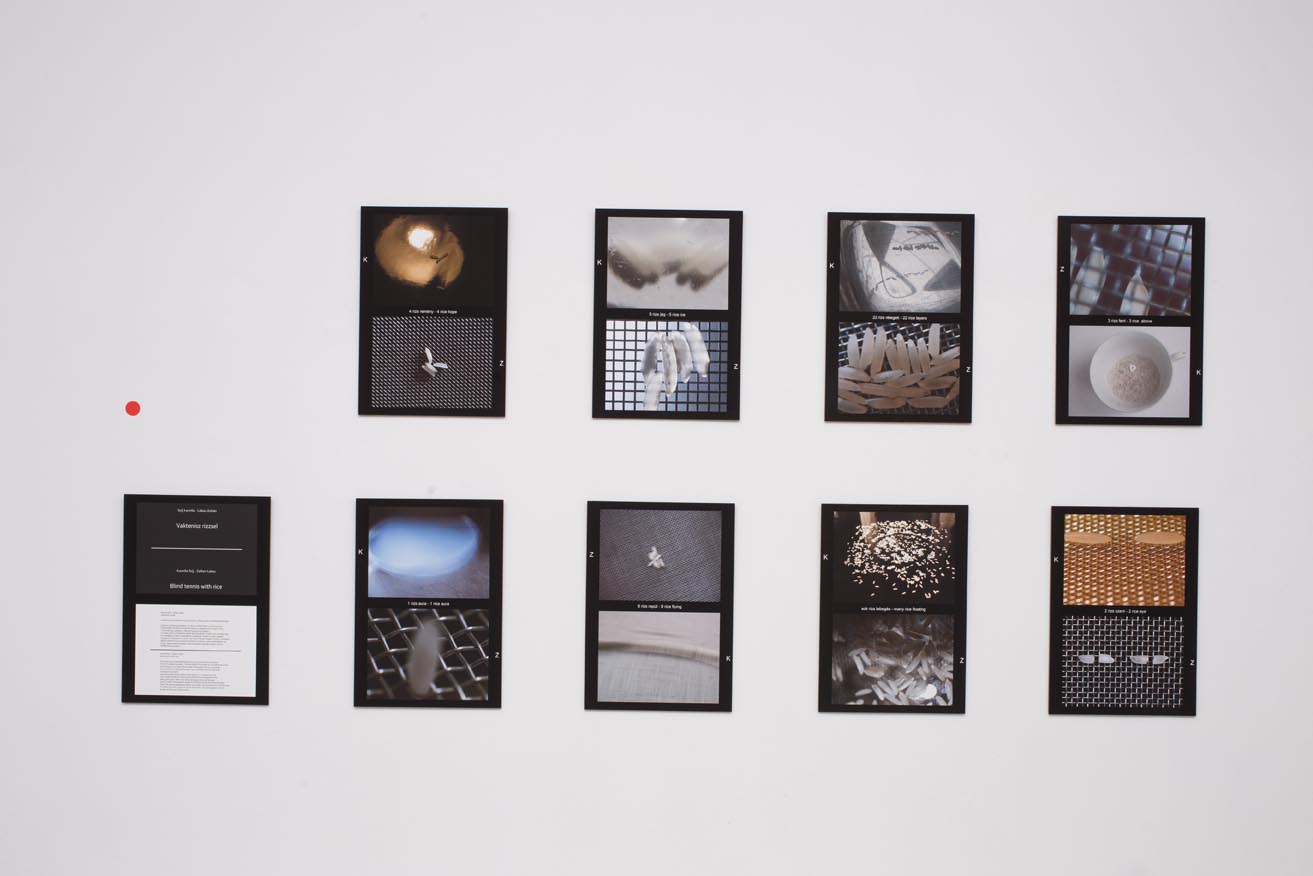
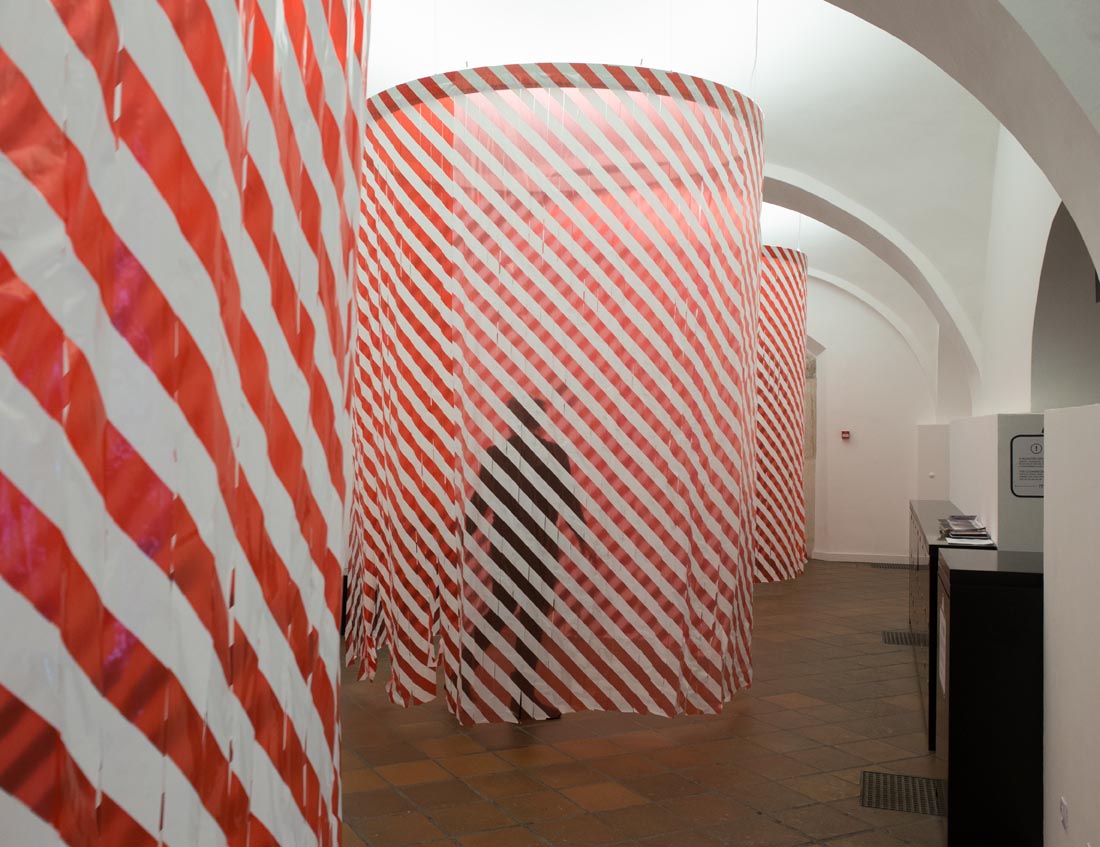
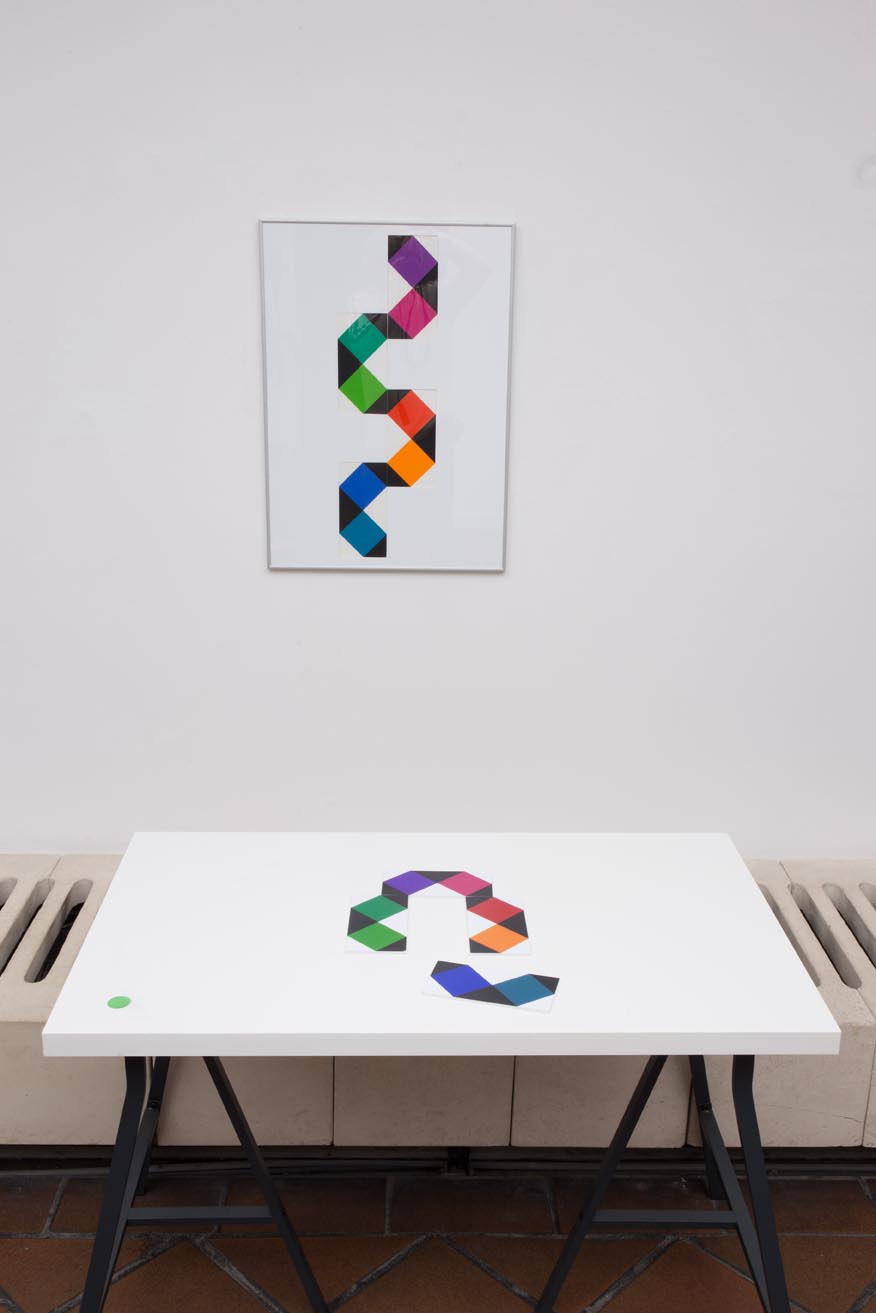
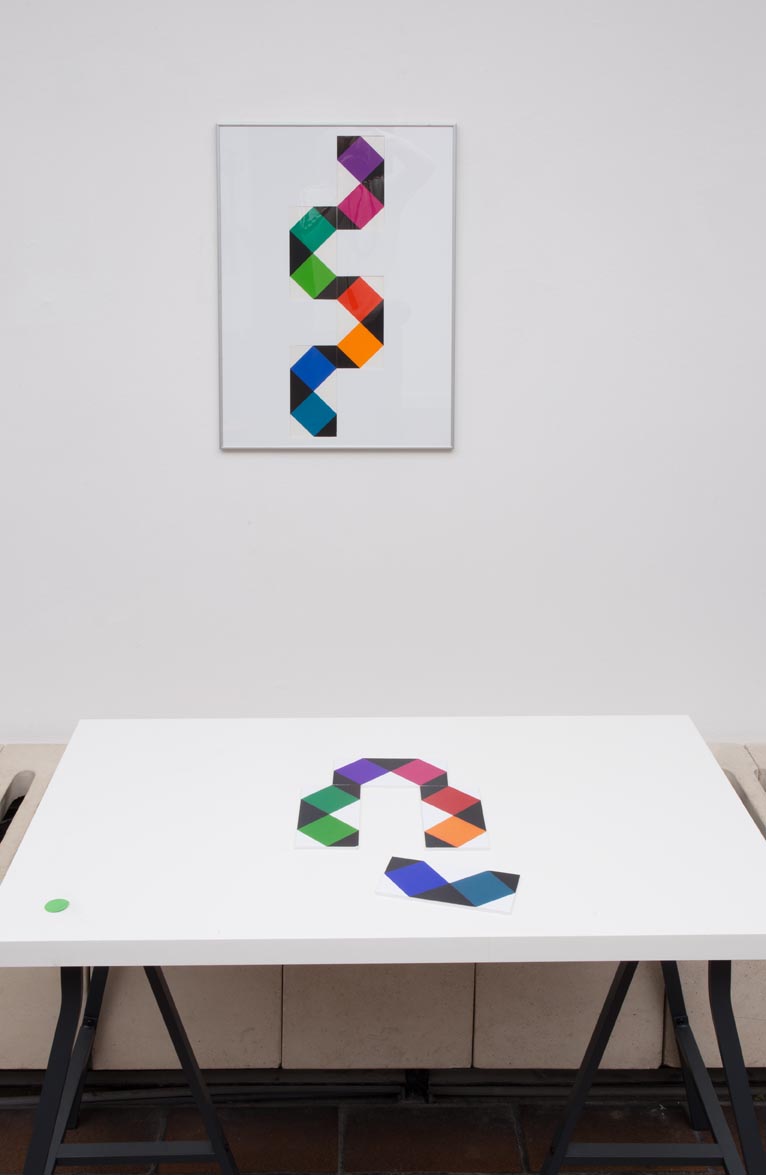
A meghívásos kiállítás nemzetközi kontextusban kívánja a korai generatív műveket és az új útkereséseket prezentálni az alábbi művészek munkáinak bemutatásával:
ALBERT Ádám, BENEDEK Barna, Max BILL, BÓDI Marianna, BORTNYIK–TUBÁK, José BRÉVAl, CSIKY Tibor, CSIZY László, Maria CUEVAS, Aleksander DRAKULIC, FERNEZELYI Márton, GÁYOR Tibor, HARASZTŸ István, HARMATI Kitti, HOÓZ Anna, Gerhard HOTTER, Viktor HULIK, Jean-François DUBREUIL, JENESES Ádám, JOVÁNOVICS Tamás, JULESZ Béla, KAPPANYOS András, Hiroshi KAWANO, KELLE Antal, KOVÁCS Attila, KOVÁCS Gyula, LANTOS Ferenc, LEPSÉNYI Imre, Josef LINSCHINGER, Richard Paul LOHSE, MARAFKÓ Bence, MÁTÉ Dániel, MAURER Dóra, MENGYÁN András, Manfred MOHR, Vera MOLNAR, François MORELLET, NEMES Judit, NÉMETH Dániel, Andrzej J. OLEJNICZAK, PÓCSY Ferenc, PALOTAI Gábor, Henri PROSI, REHOROVSZKY Anna, Torsten RIDELL, Albert RUBENS, Jan SCHOONHOVEN, Mark STAREL, Klaus STAUDT, Esther STOCKER, Peter STRUYCKEN, SZÉCSÉNYI-NAGY Loránd, SZEGEDY-MASZÁK Zoltán, SZÍJ Kamilla, SZLOVICSÁK Dömötör, TIHANYI Áron, TÜRK Péter, Ryszard WINIARSKI, WOLSKY András, Joa ZAK, ZALAVÁRI András
A kiállítás kurátorai: SZEGEDY-MASZÁK Zoltán, SZÖLLŐSI-NAGY András, WOLSKY András
Megnyitja: Z. Karvalics László TBC
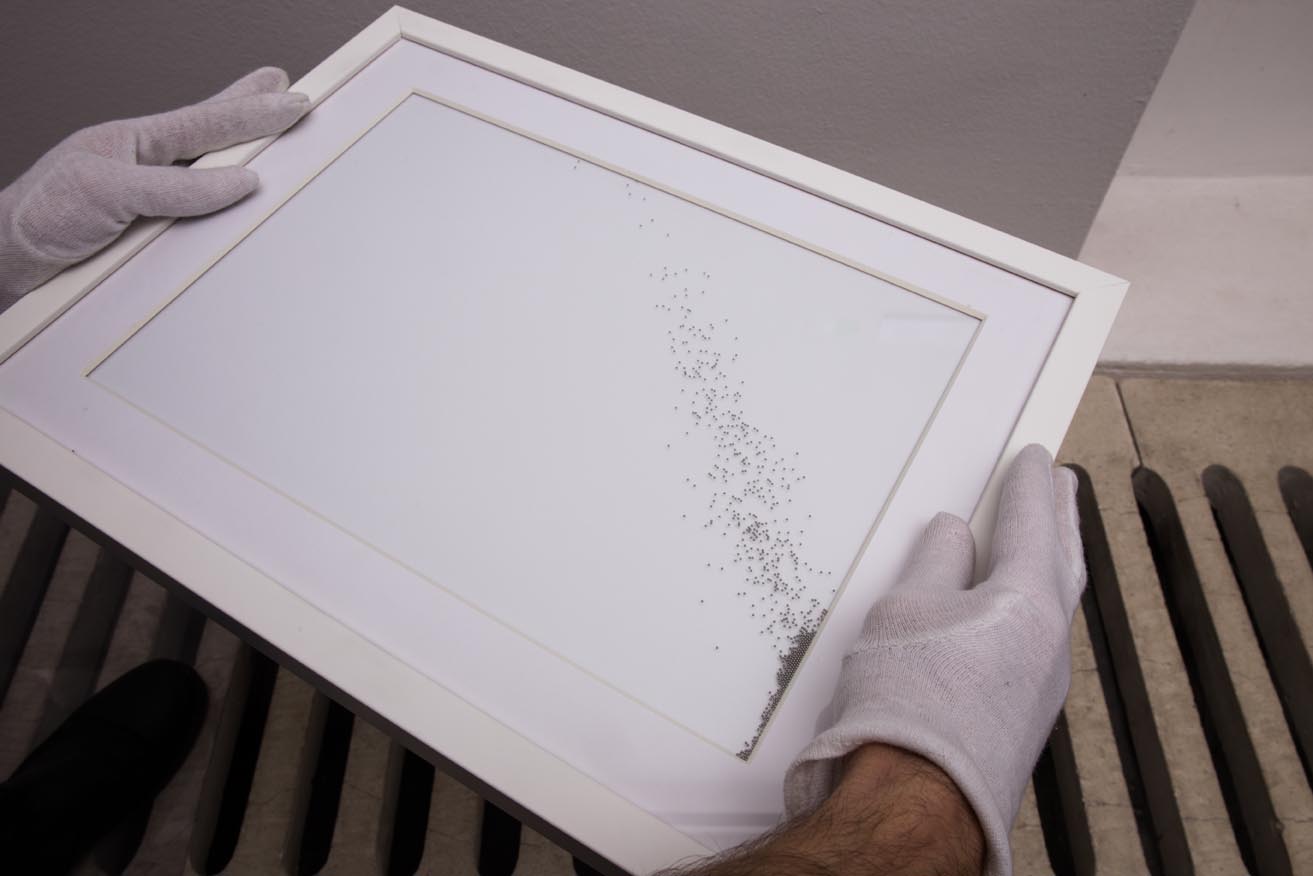
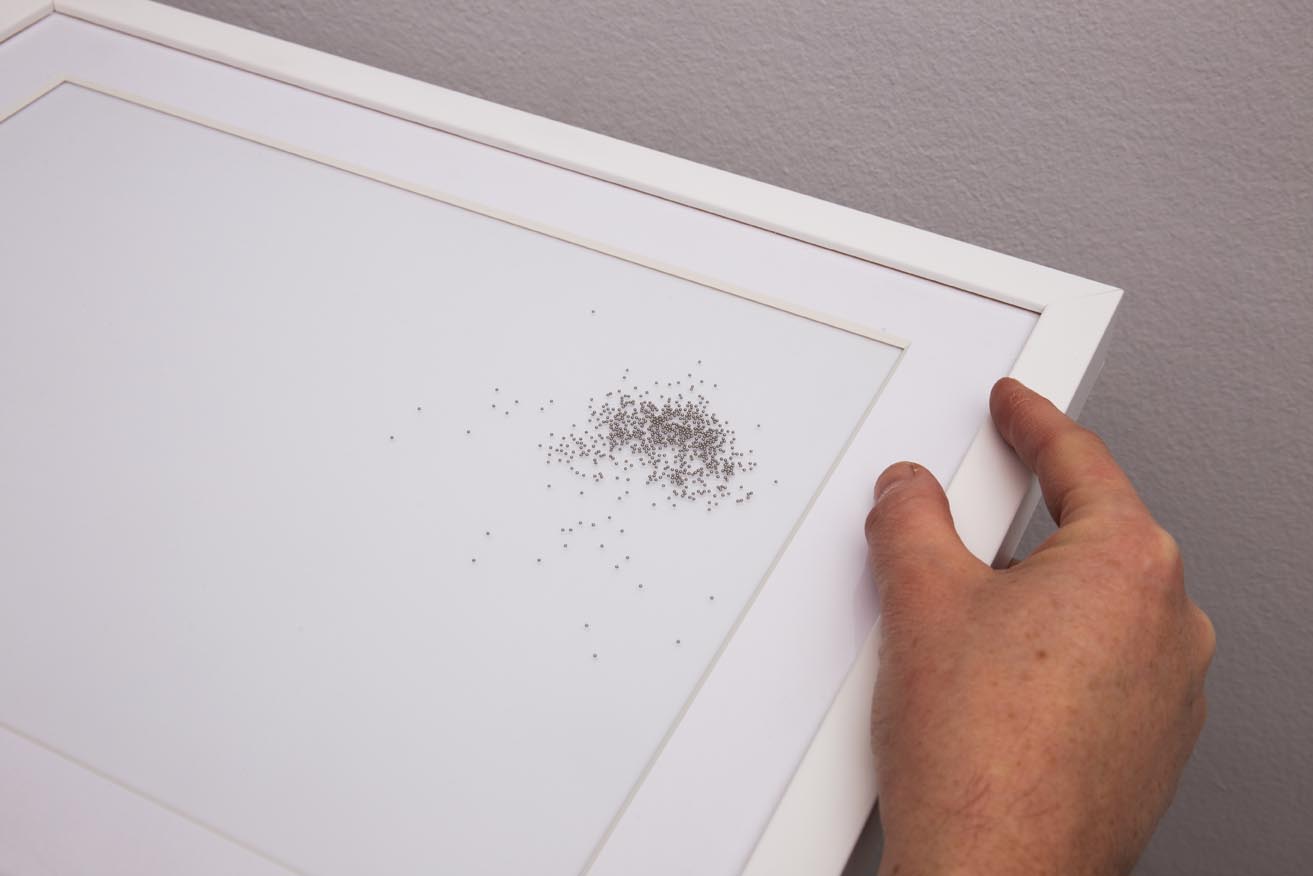
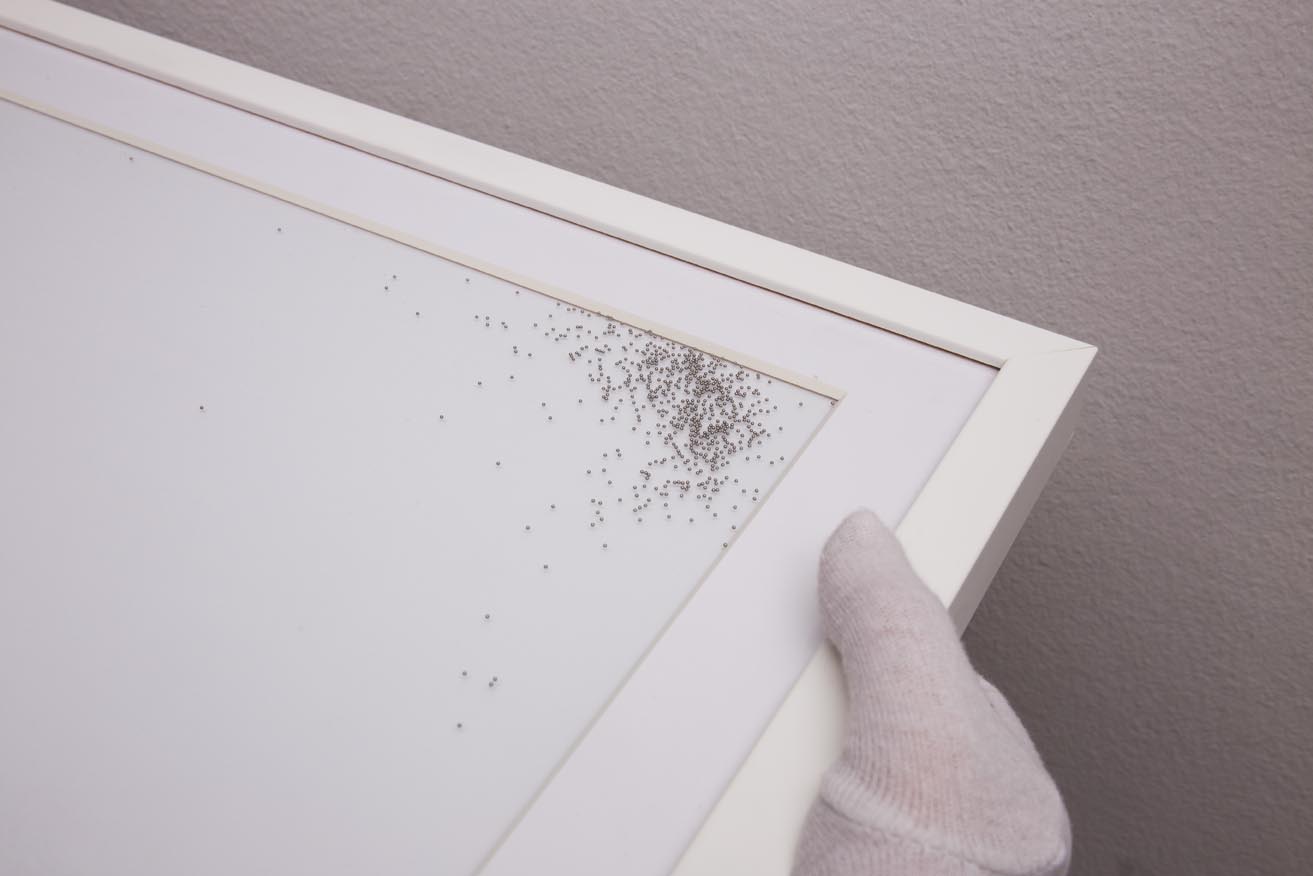
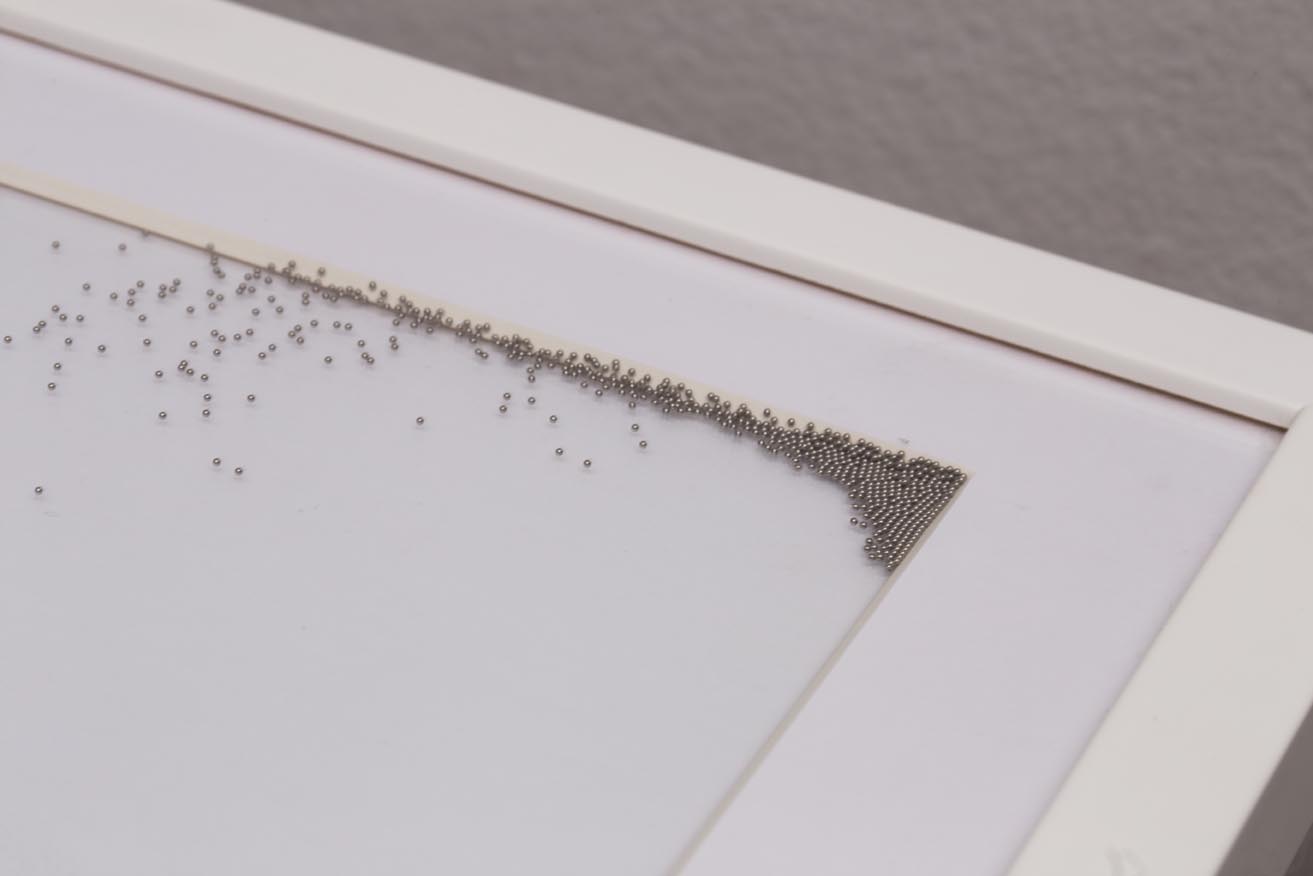
A természetben és a társadalomban sok dinamikus rendszer nemlineárisan viselkedik, ám azonközben bizonyos szabályok szerint működik, ismert, vagy ismeretlen elveknek megfelelően. Kis (szekvenciális) elmozdulások hosszú sorozata alatt észlelhetően nem történik semmi a rendszer dinamikájával és/vagy evolutív viselkedésével. A rendszer tovább terhelhető anélkül, hogy alapvető tulajdonságai megváltoznának. Majd egyszer csak elér egy ponthoz (átesési / áttörési pont, tipping point / breakthrough), ahol a rendszer hirtelen egy más dinamikus viselkedésbe billen át, jellemzői alapvetően megváltoznak és mutálódik. Így működik a klímaváltozás, a népességdinamika, a börtönlázadások és a forradalmak dinamikája is. Zenei példát John Cage és Philip Glass kompozíciói szolgáltatnak, míg a művészetben a kortárs klasszikusok közül Vera Molnar, François Morellet, Manfred Mohr, Kovács Attila, Frieder Nake, A. Michel Noll, Lantos Ferenc, Maurer Dóra és Mengyán András korábbi munkássága említendő ebben a kontextusban.
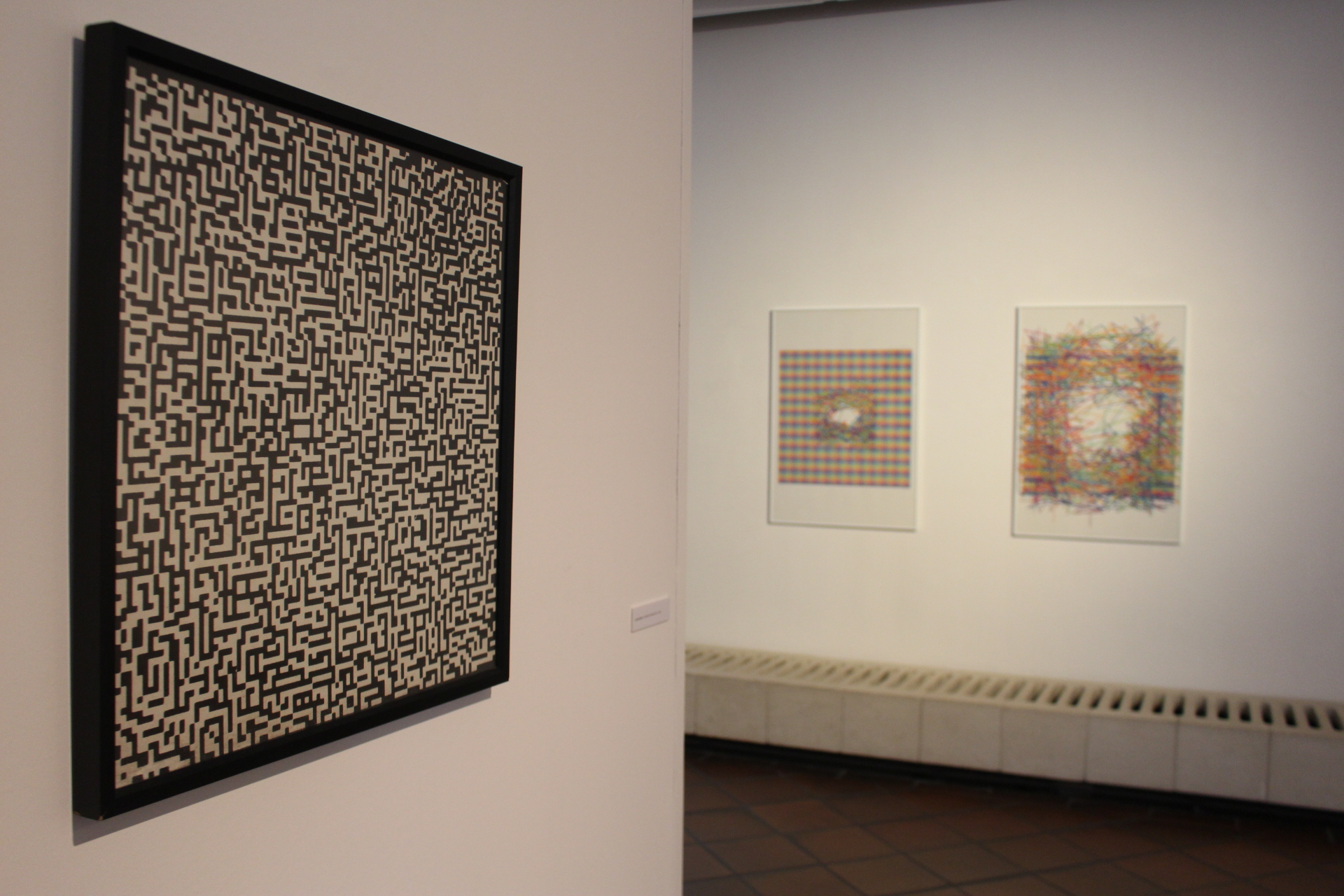
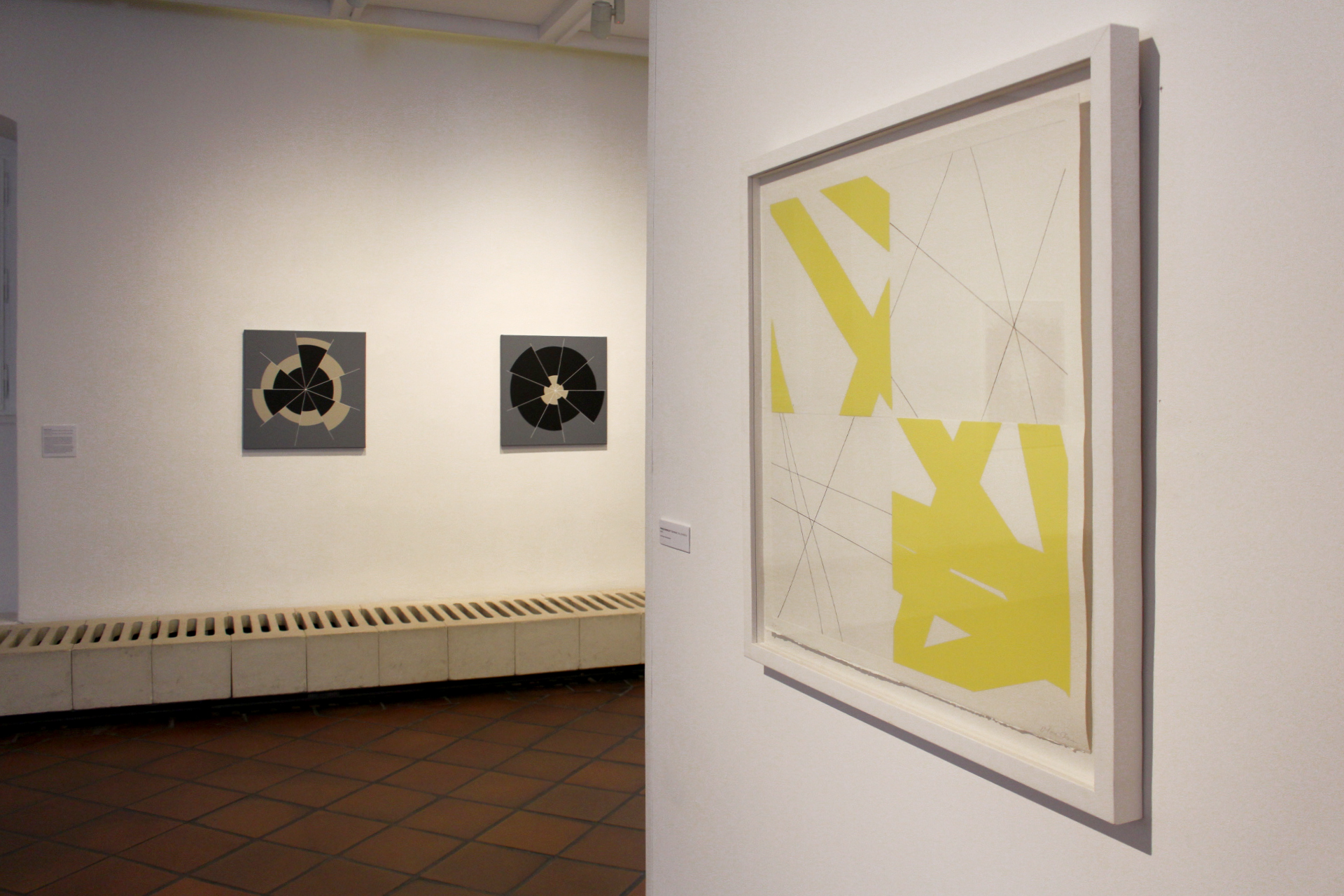
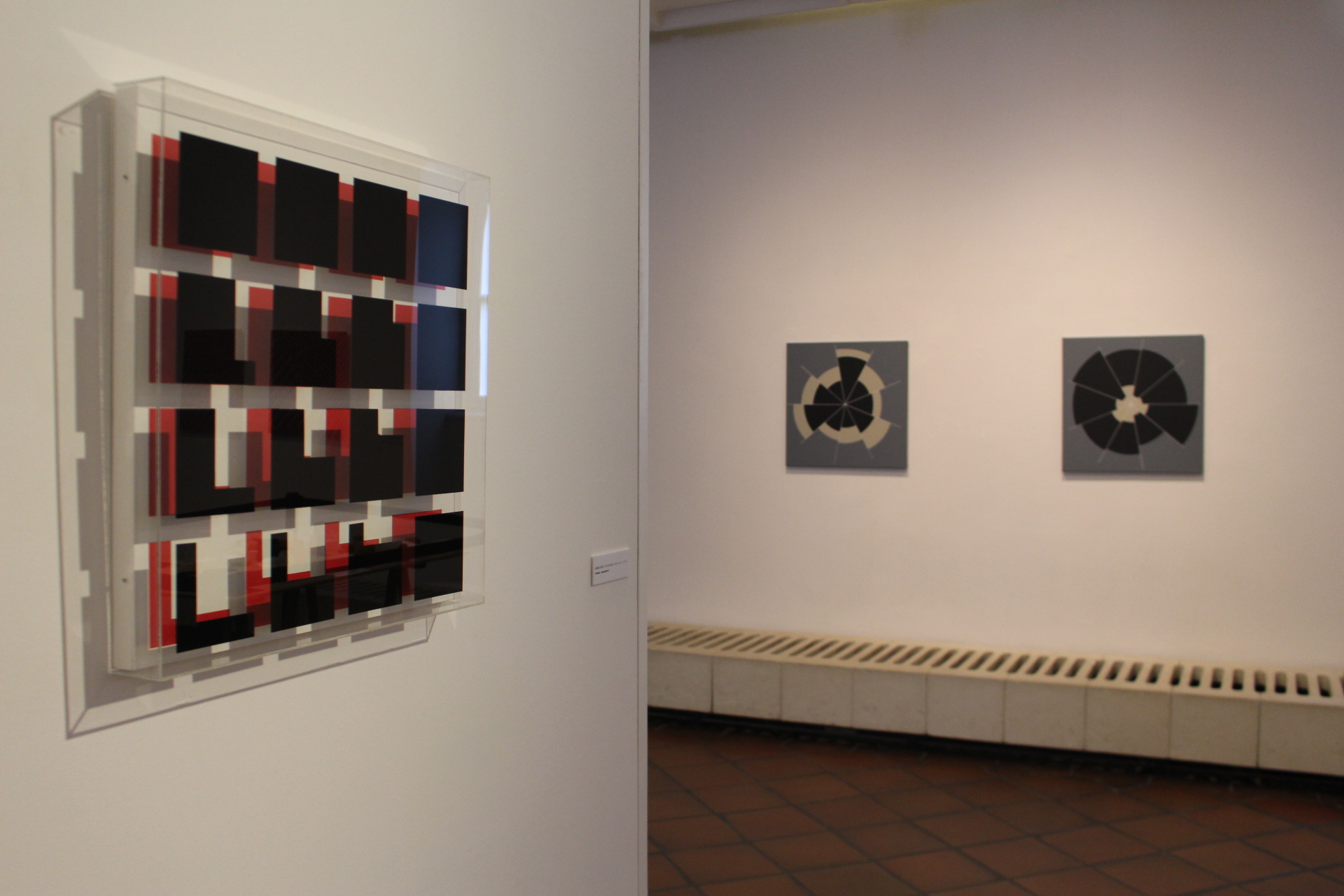
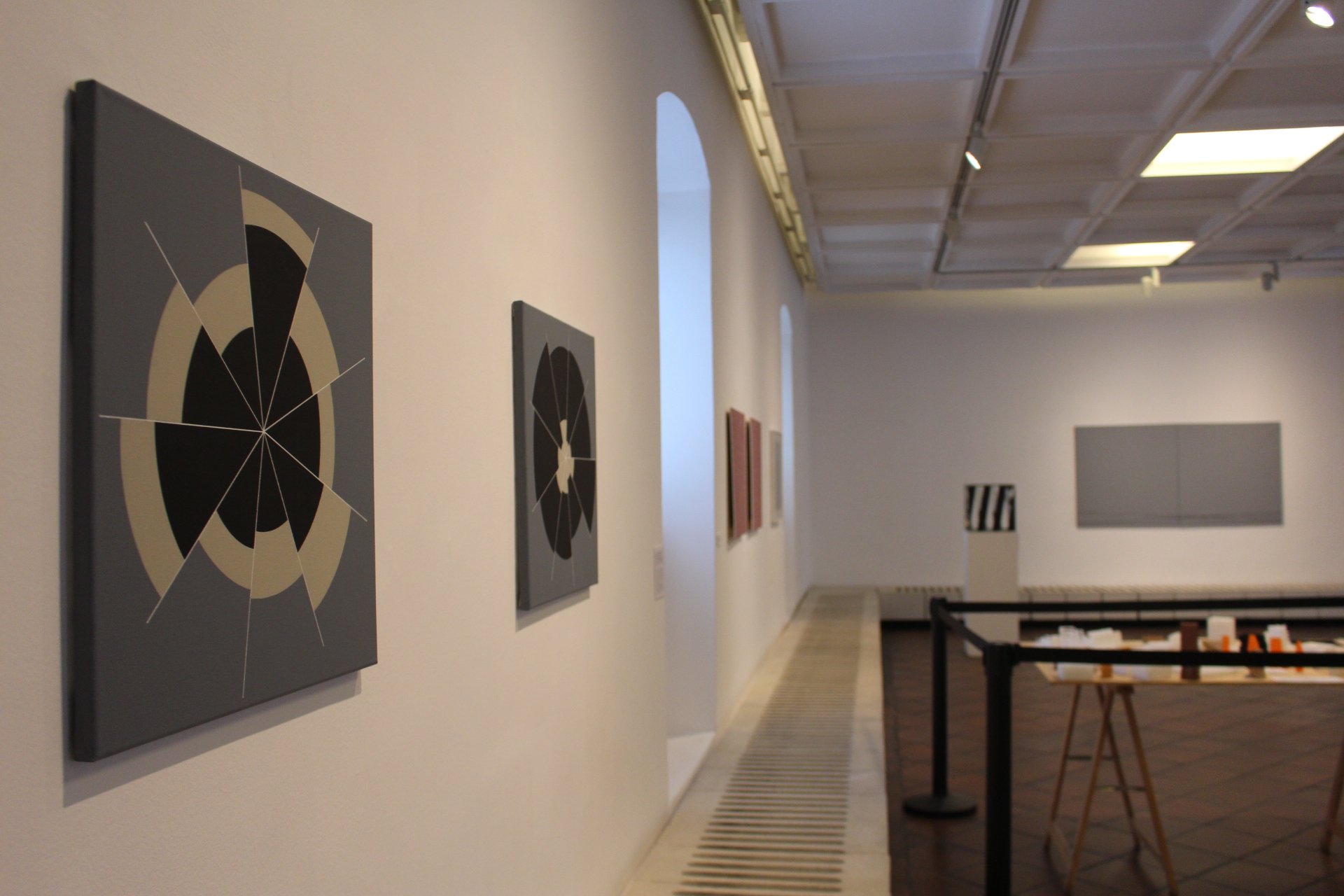
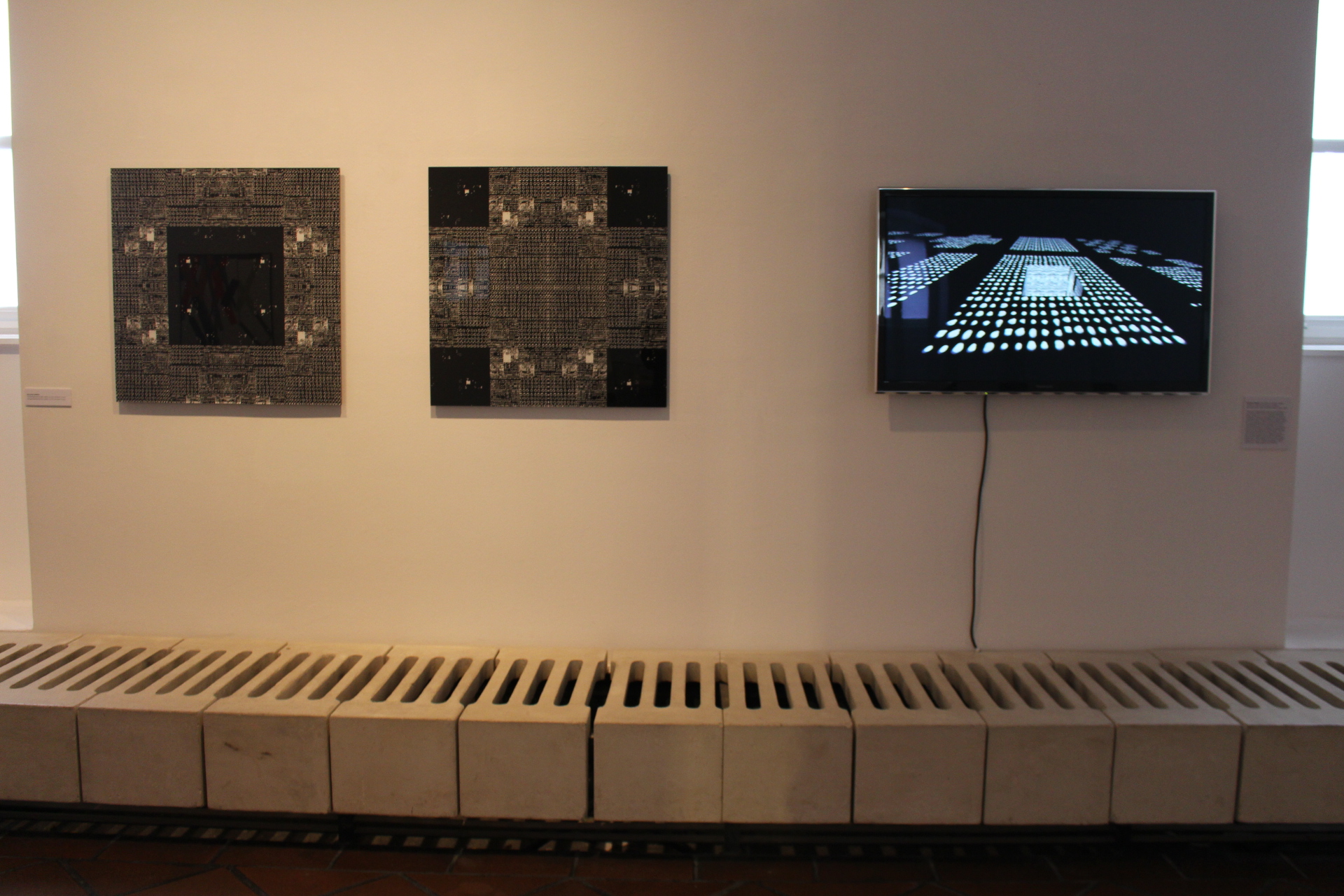
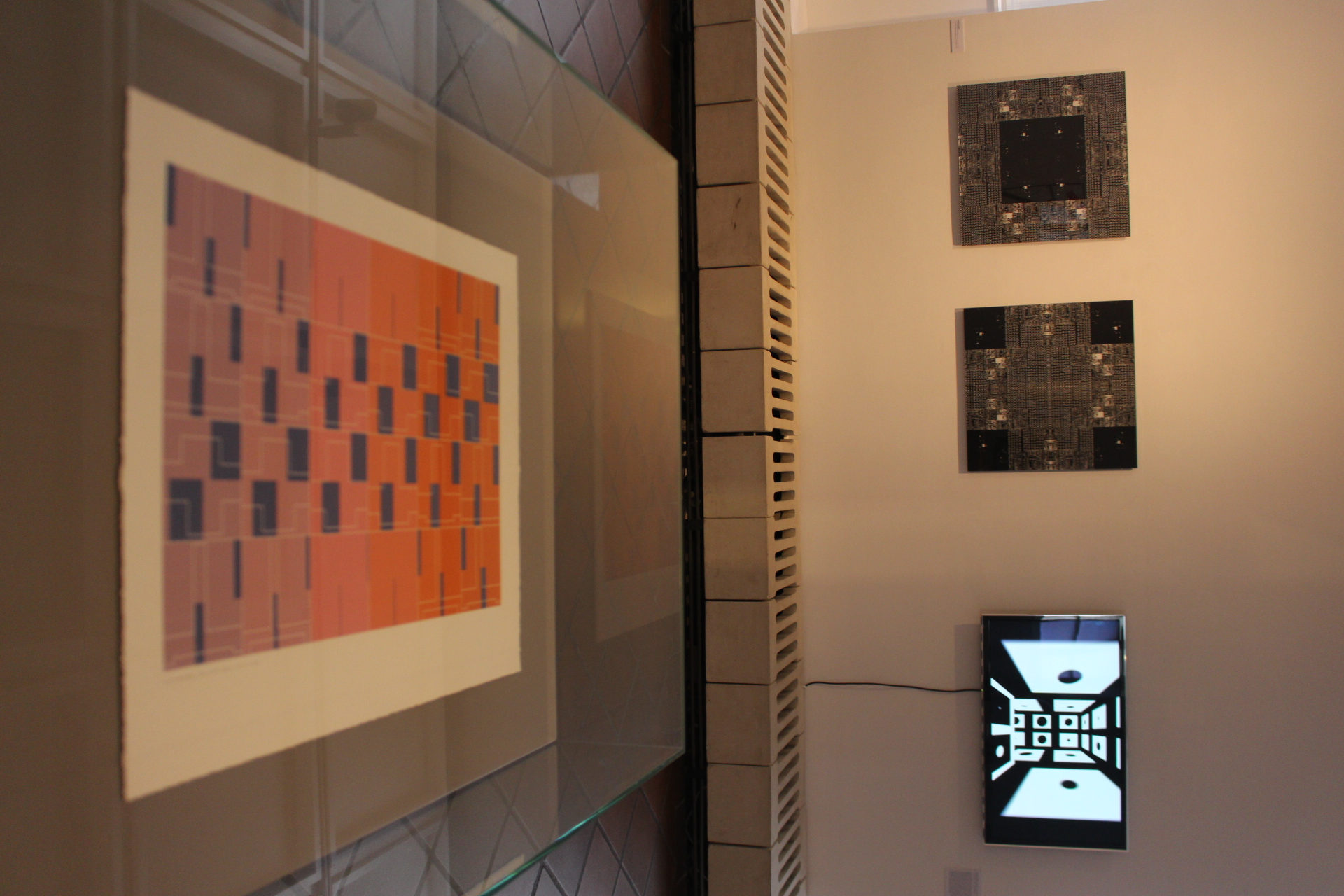
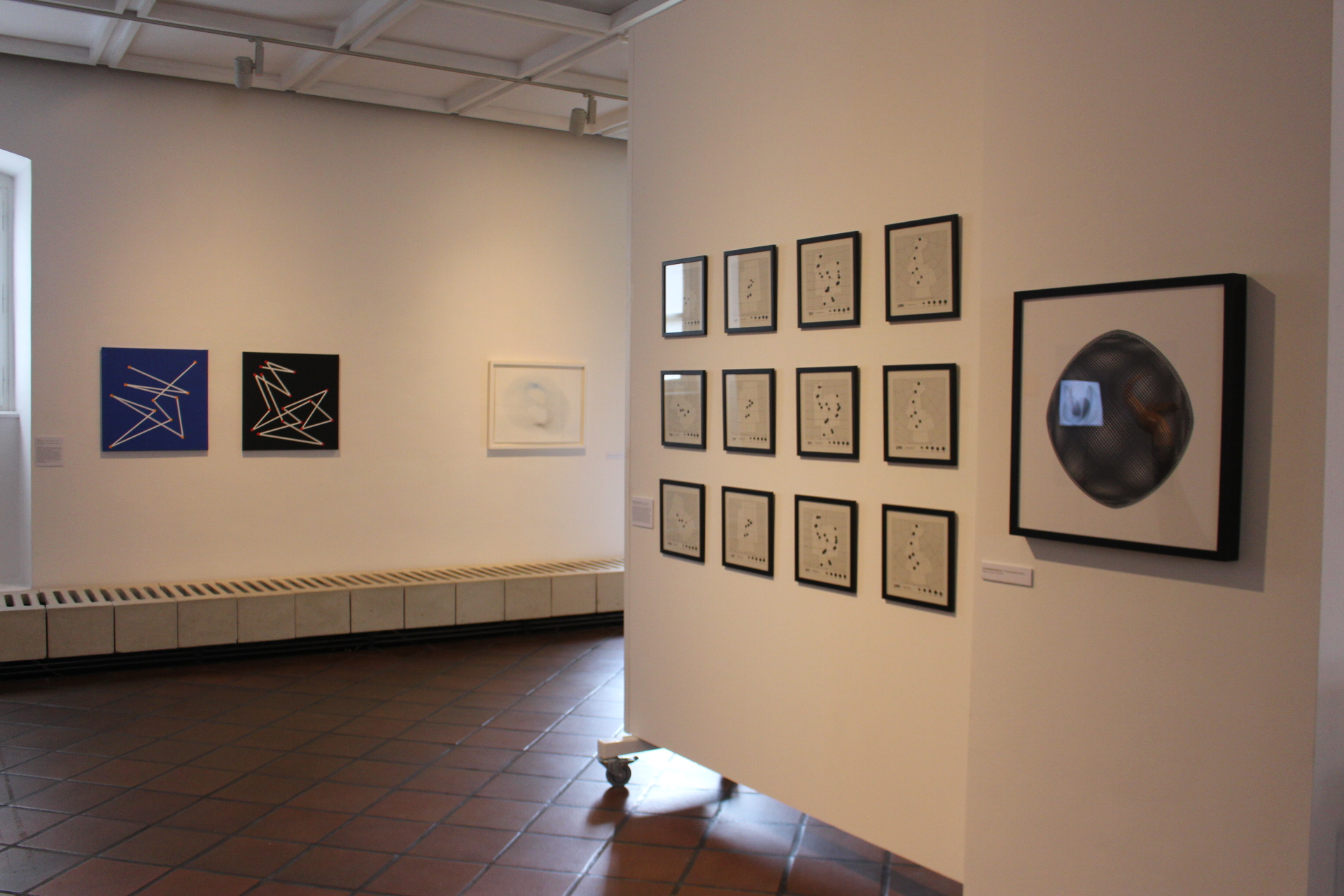
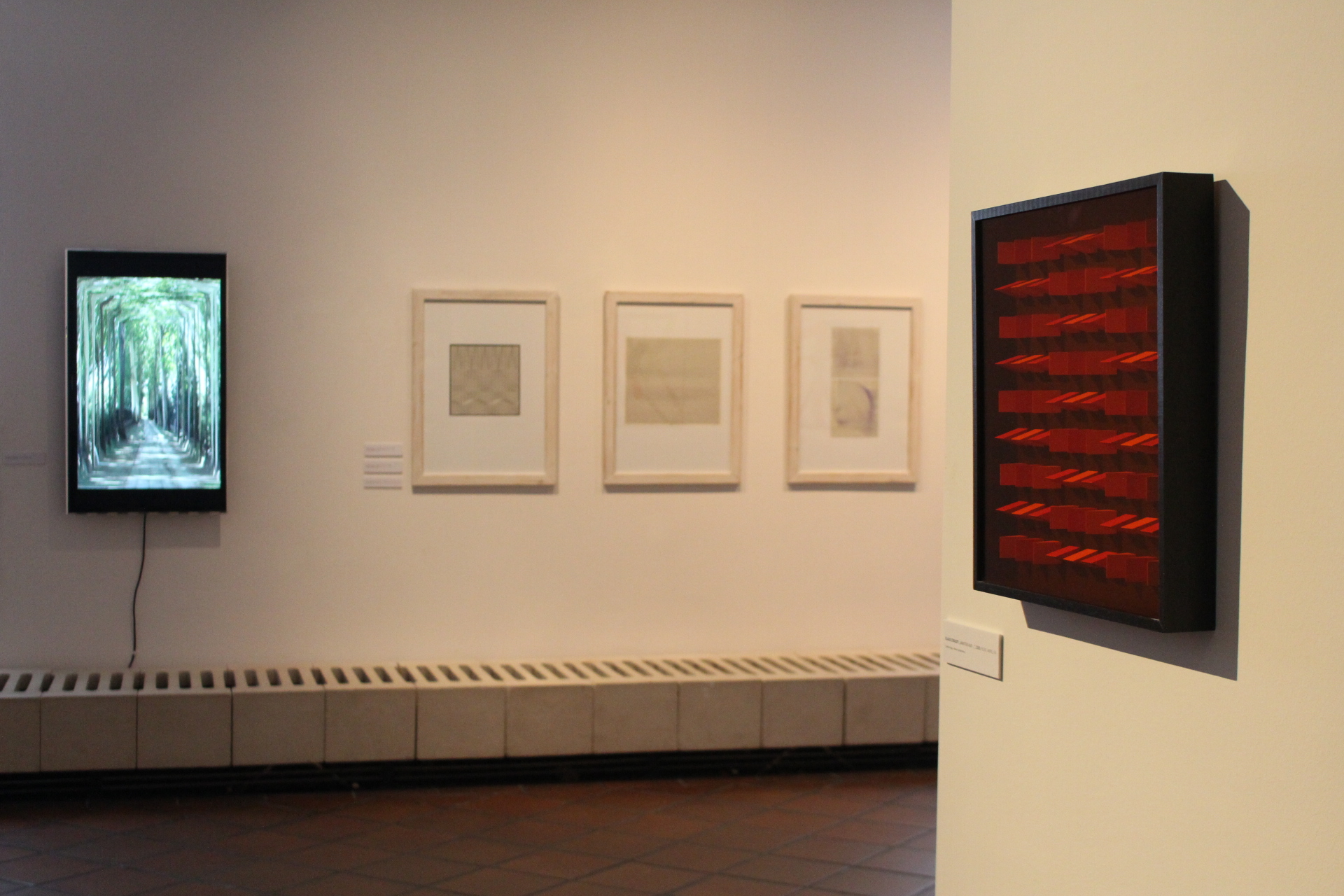
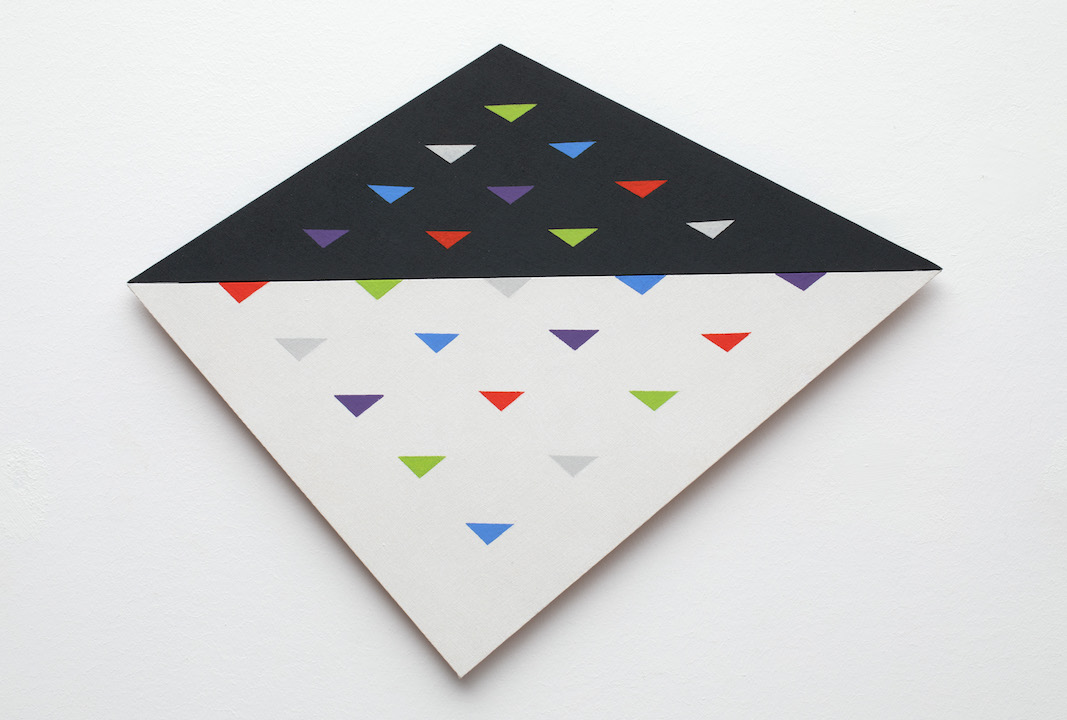
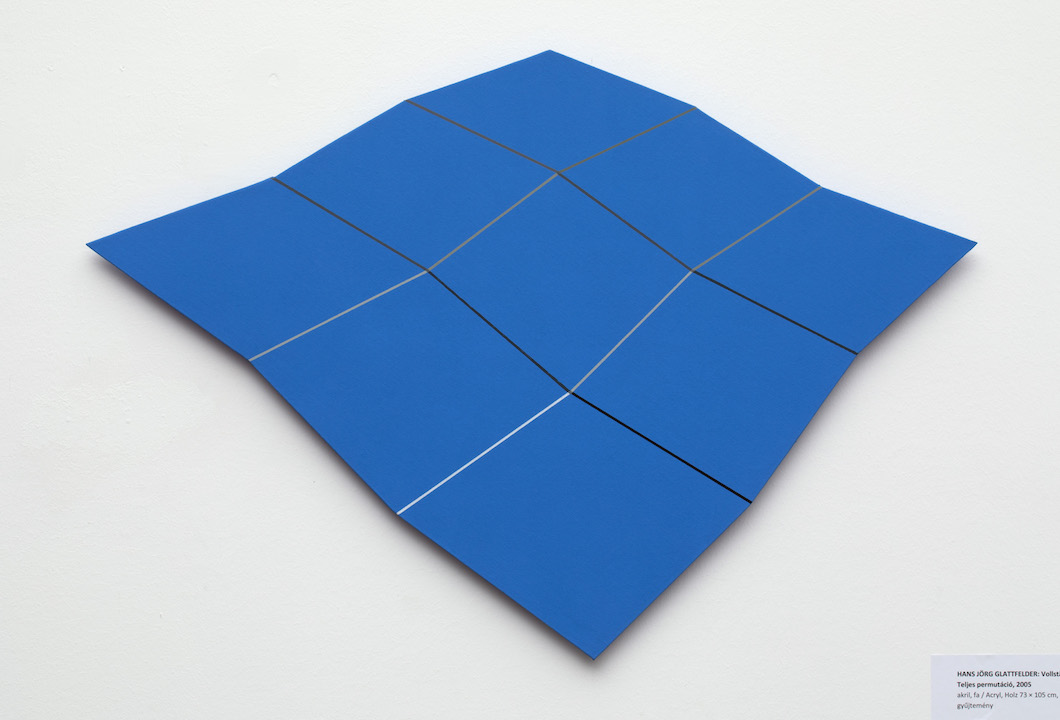
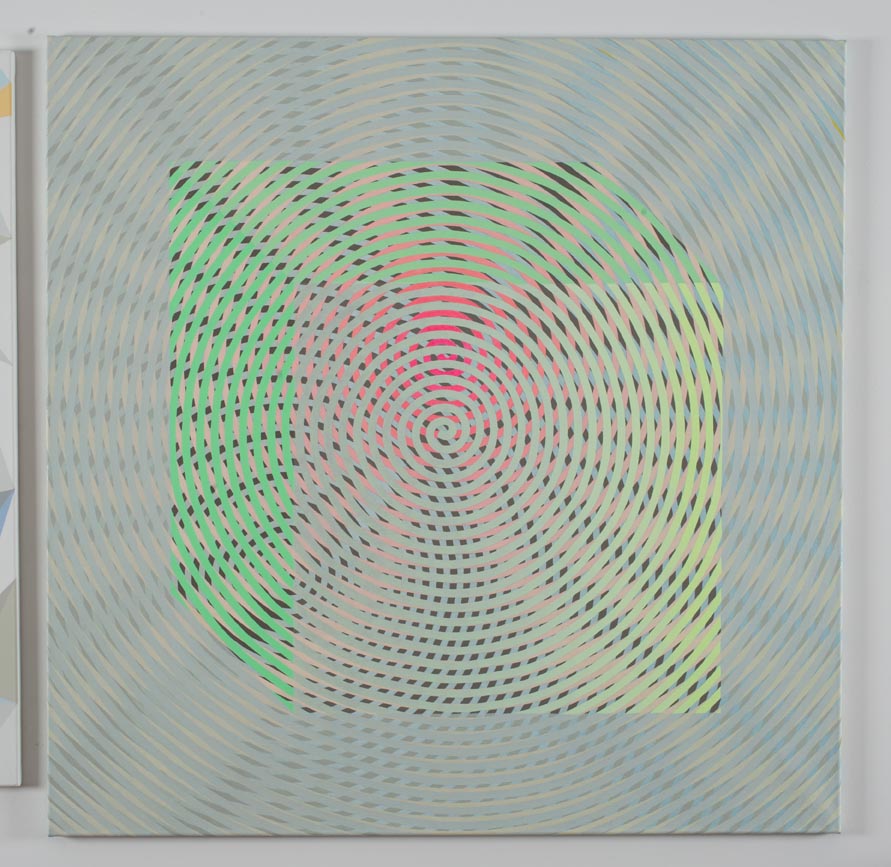
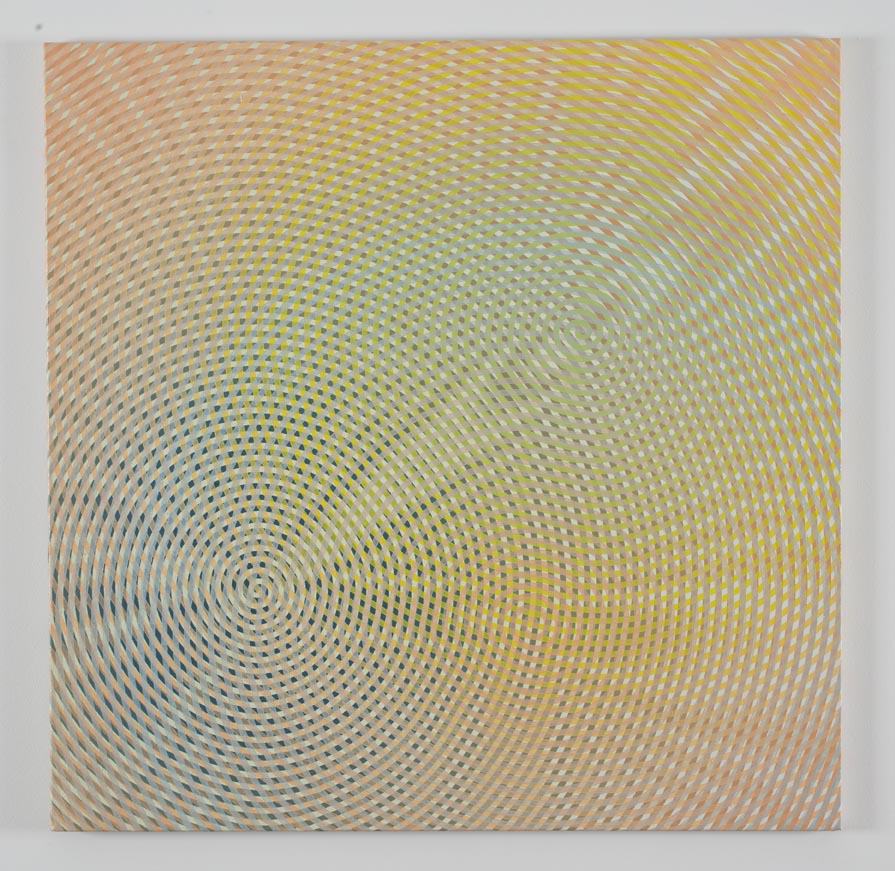
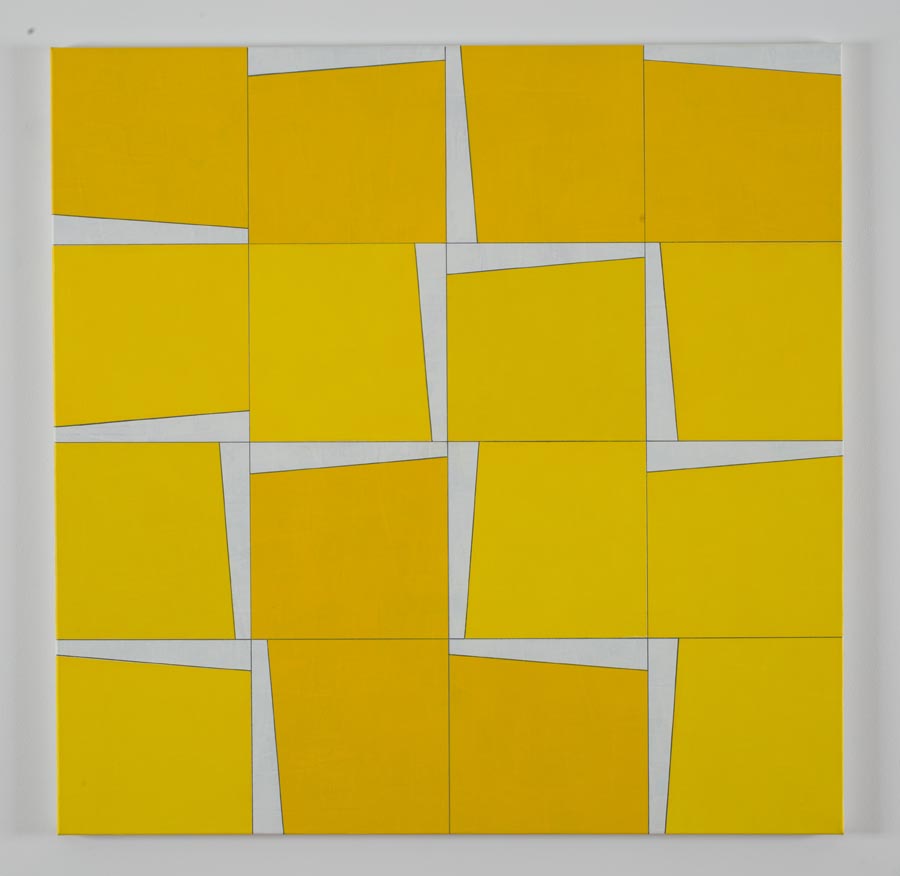
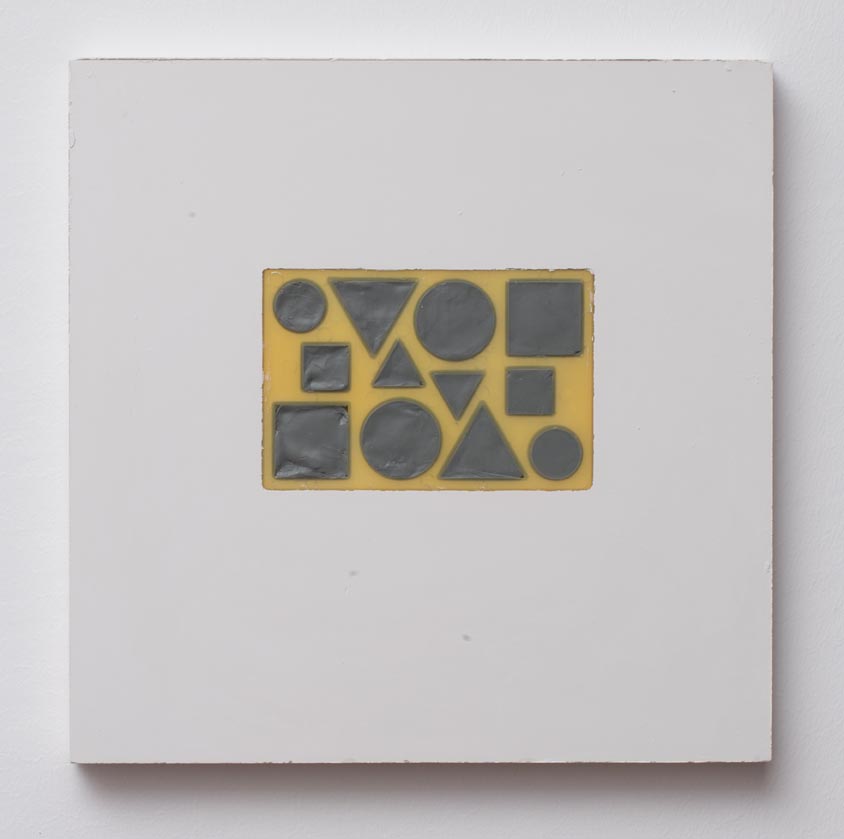
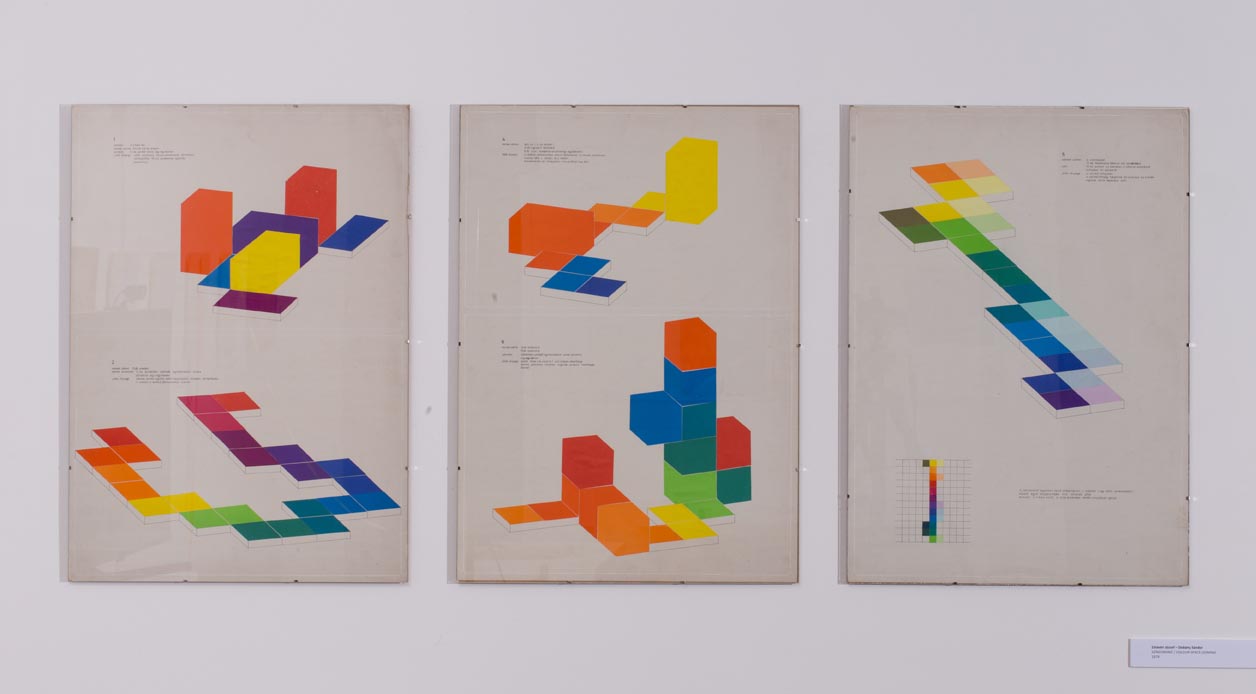
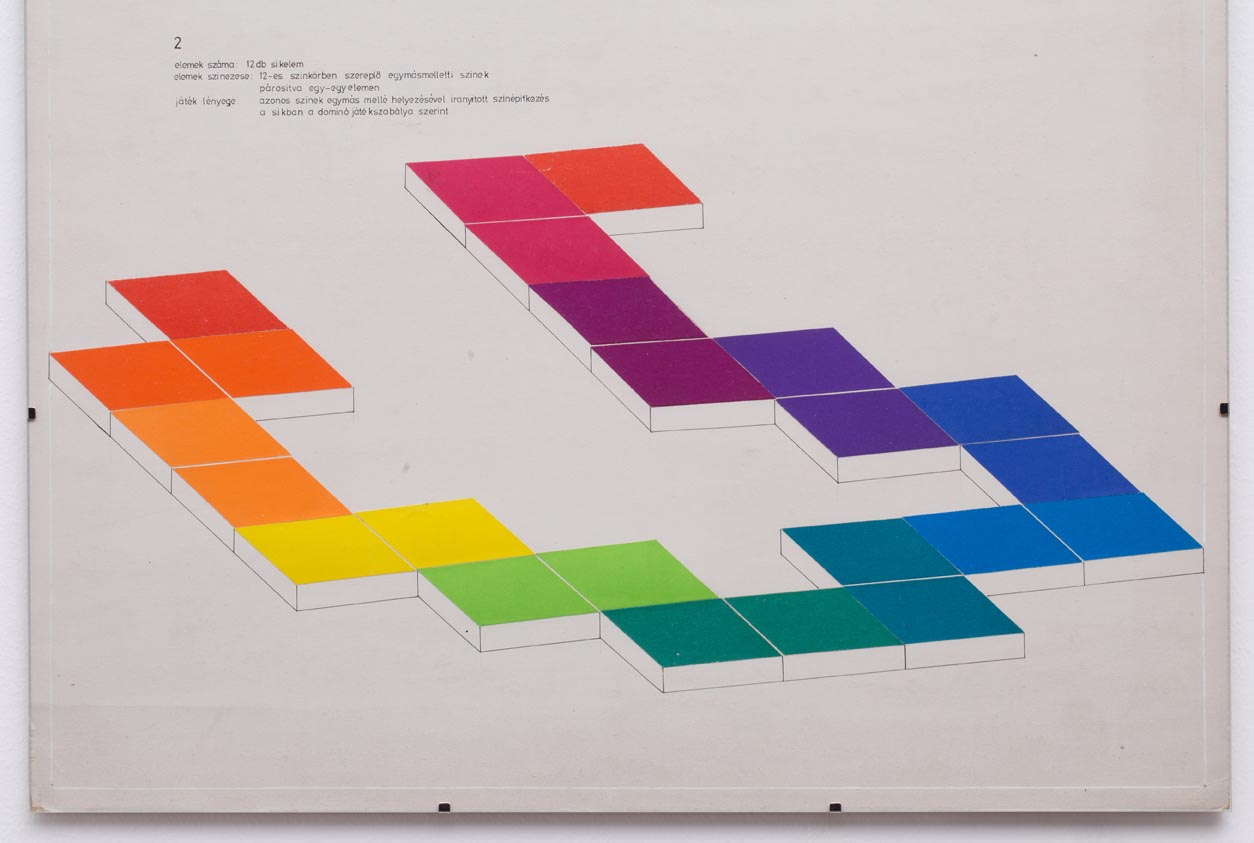
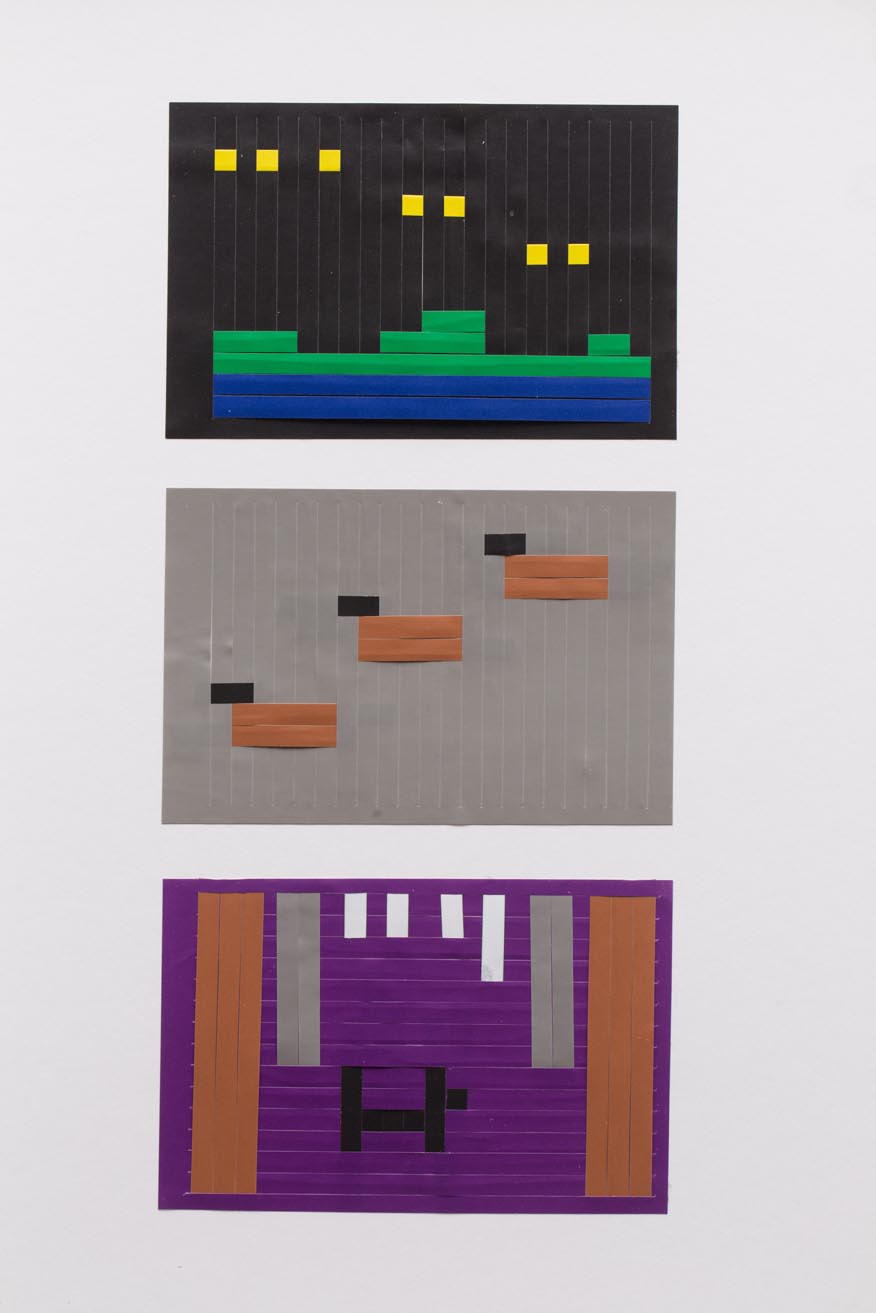
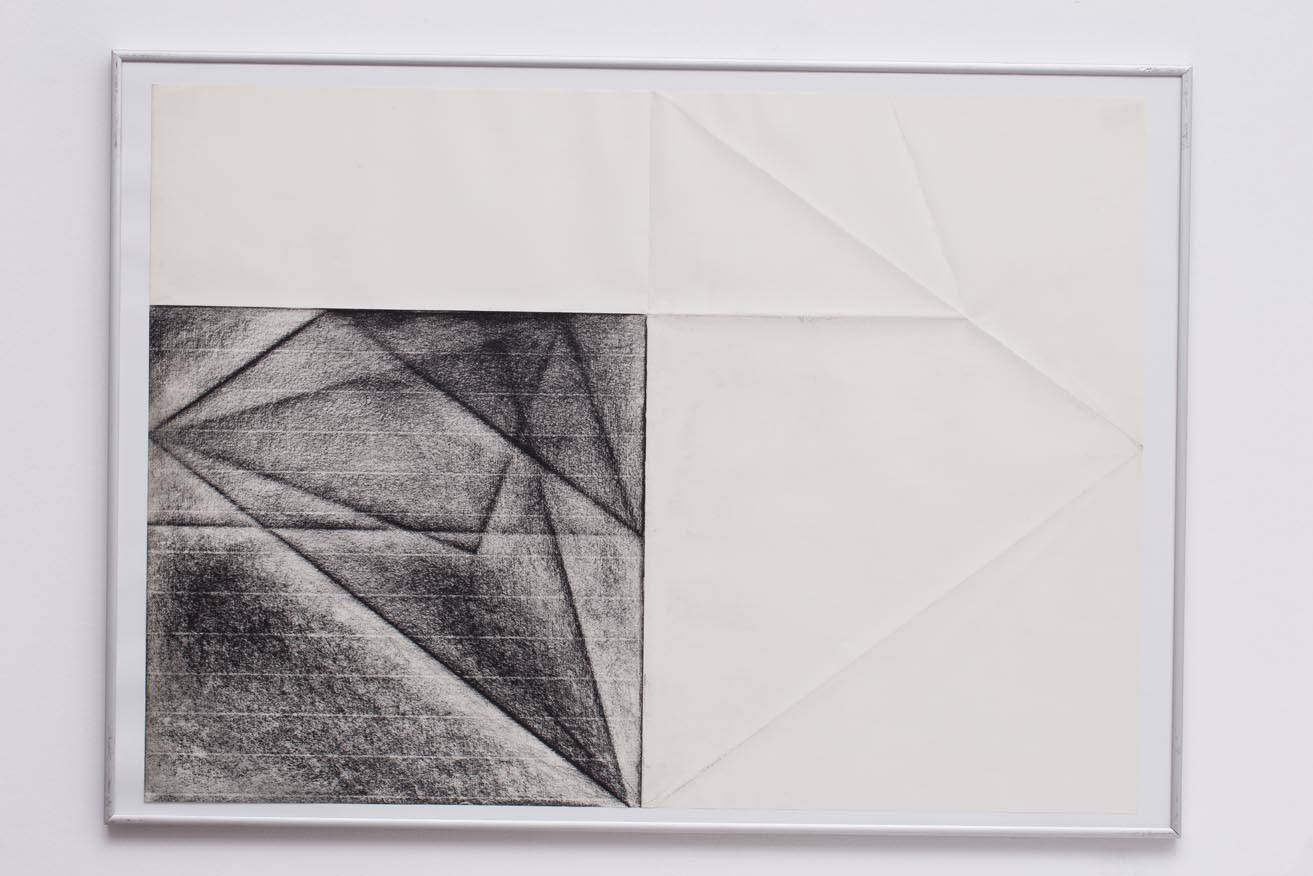
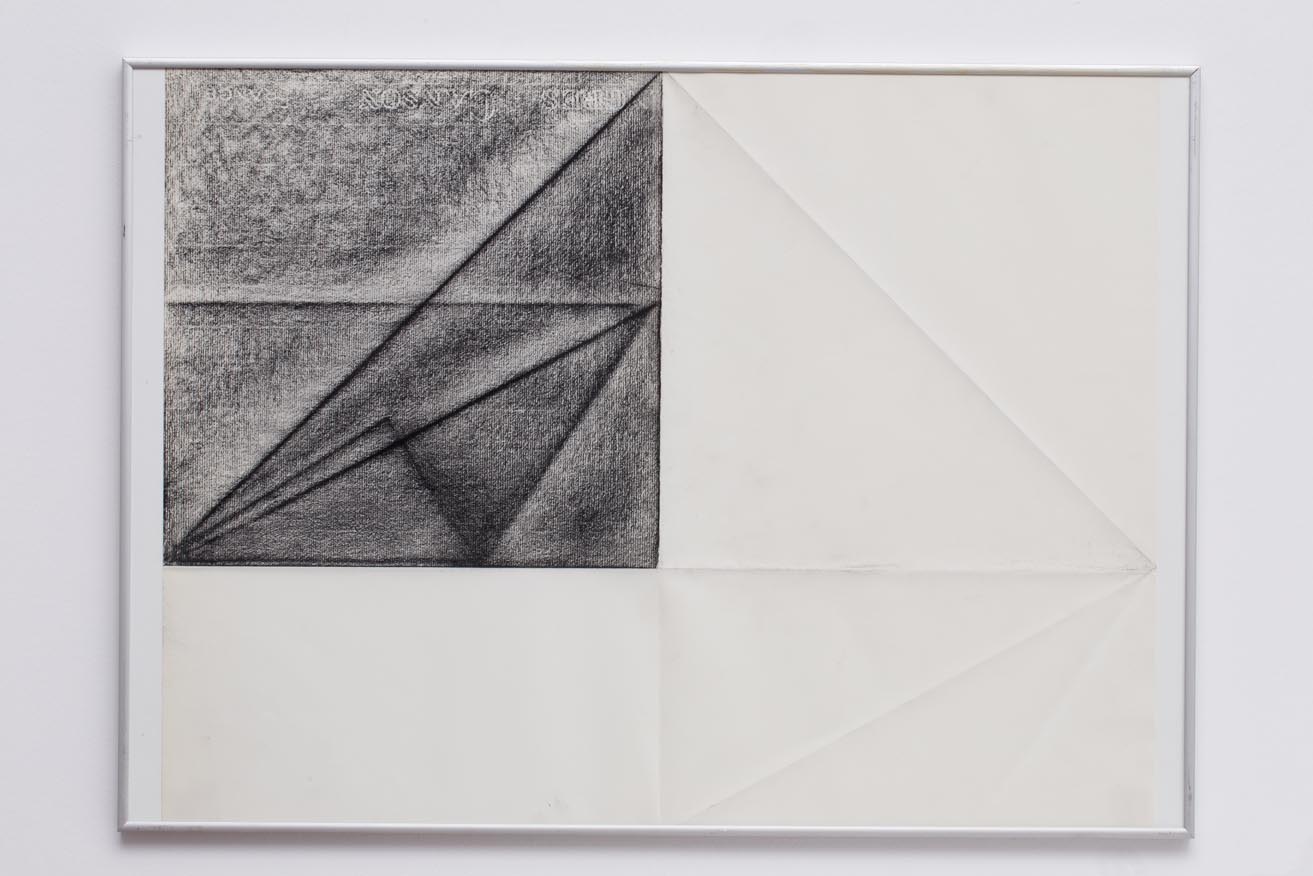
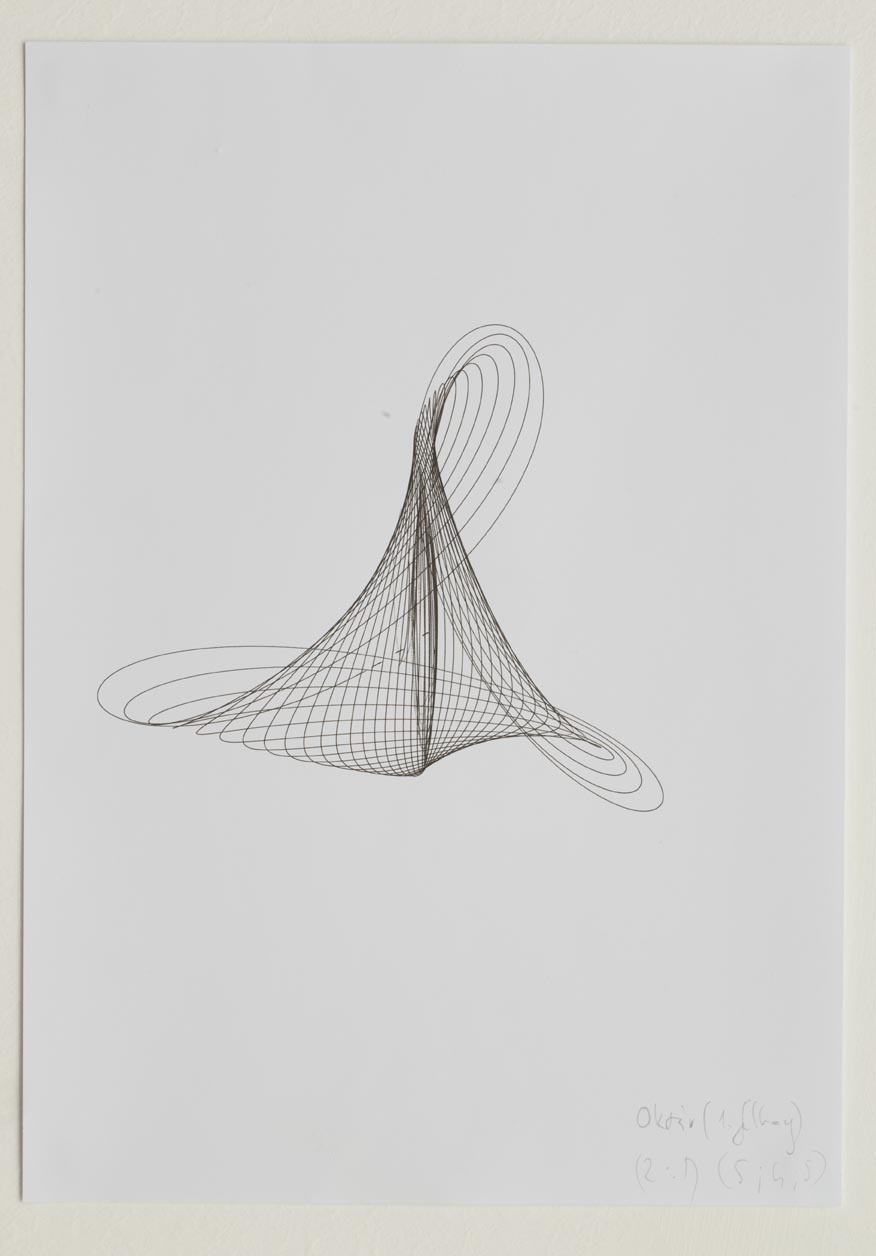
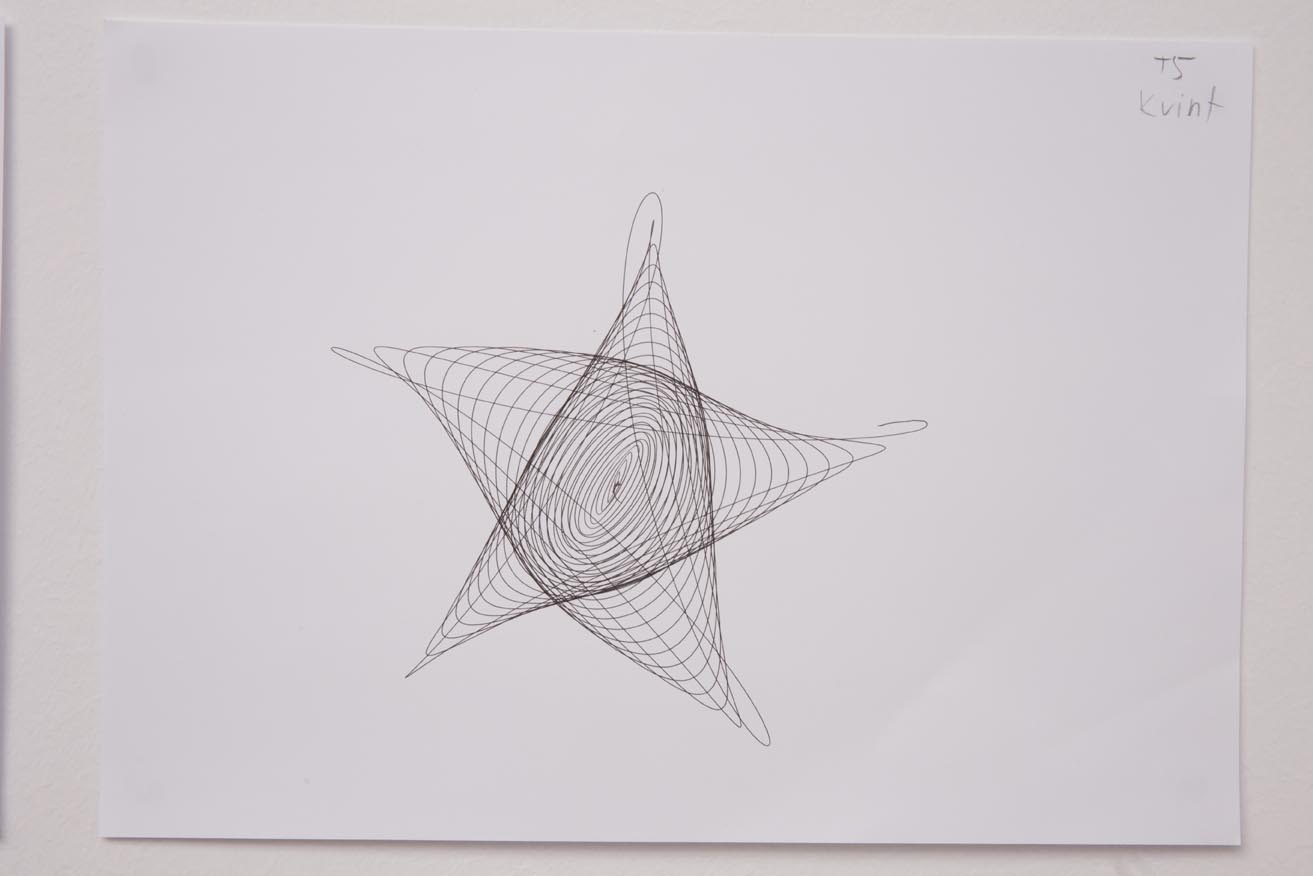
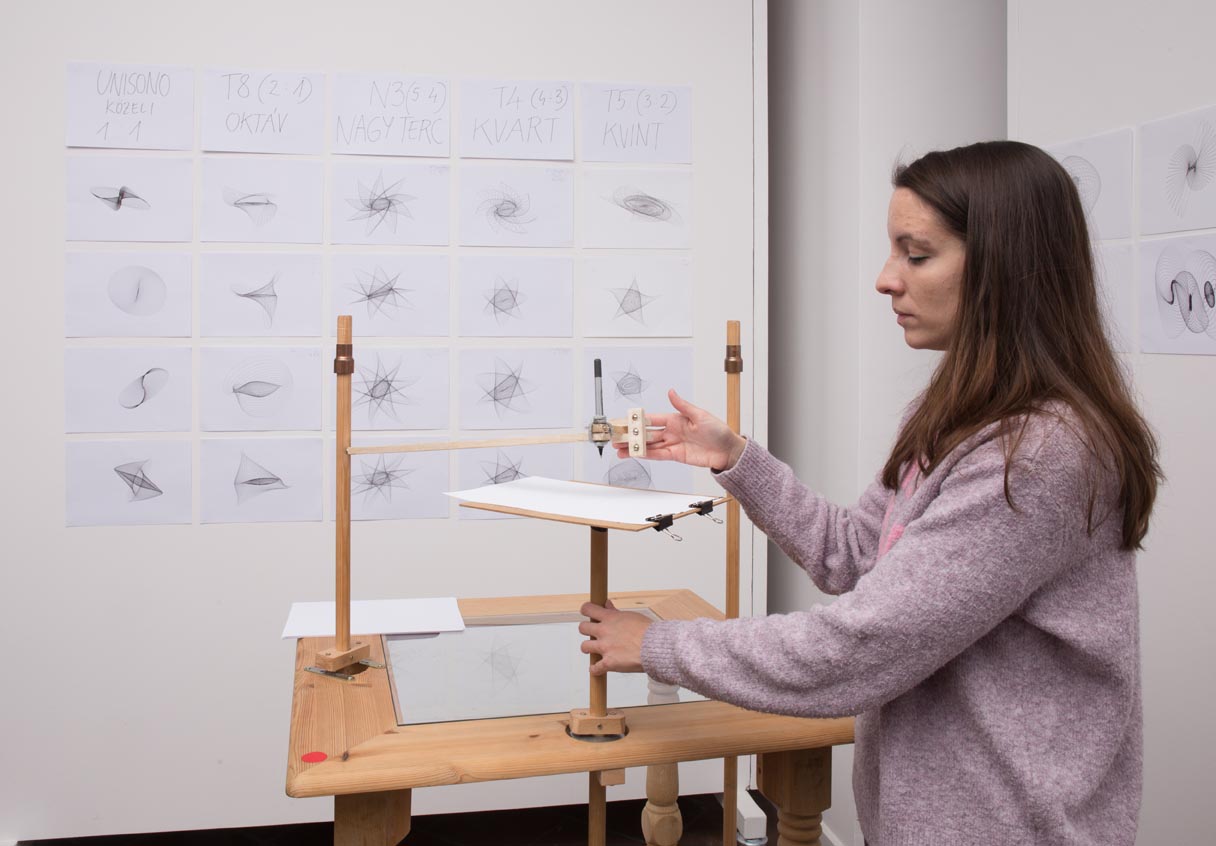
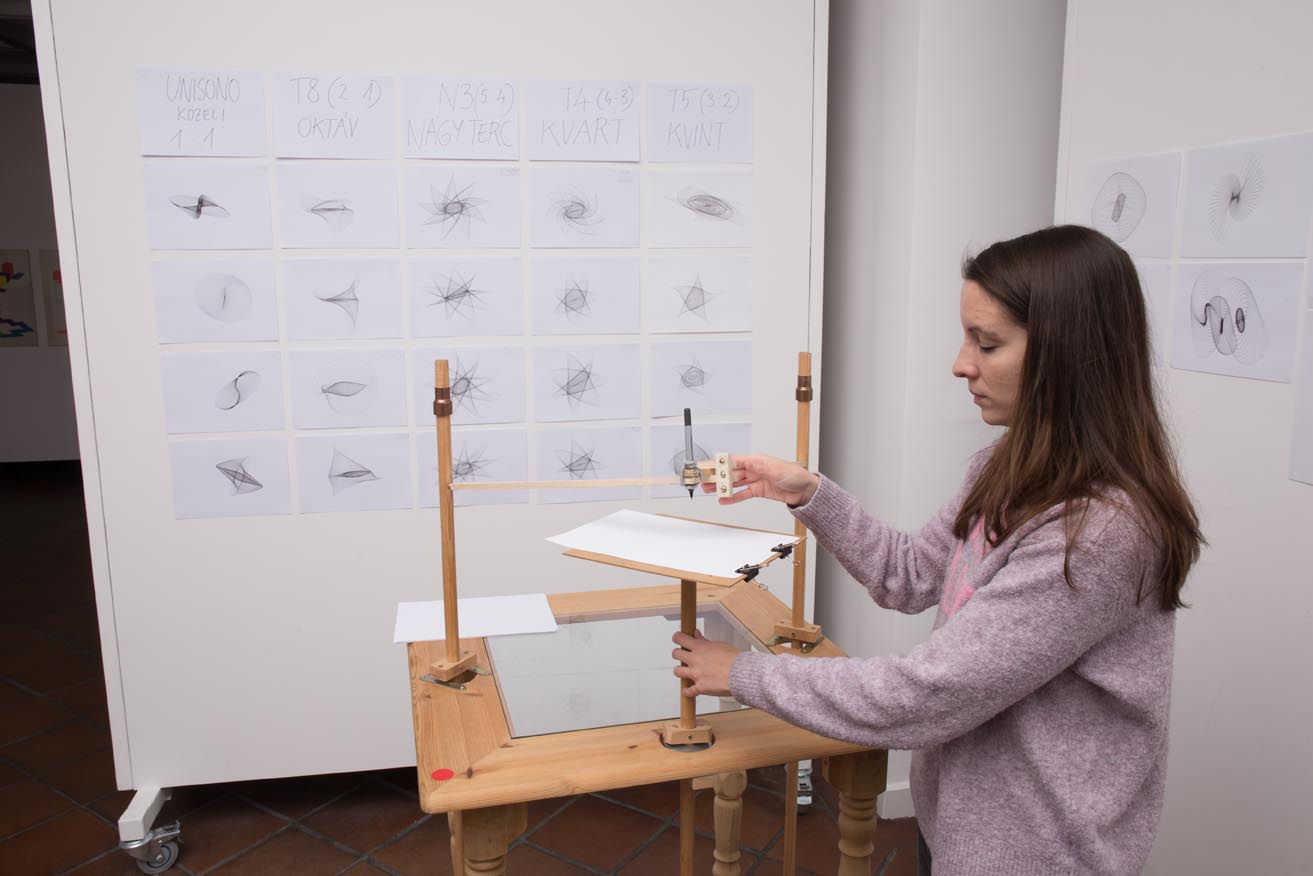
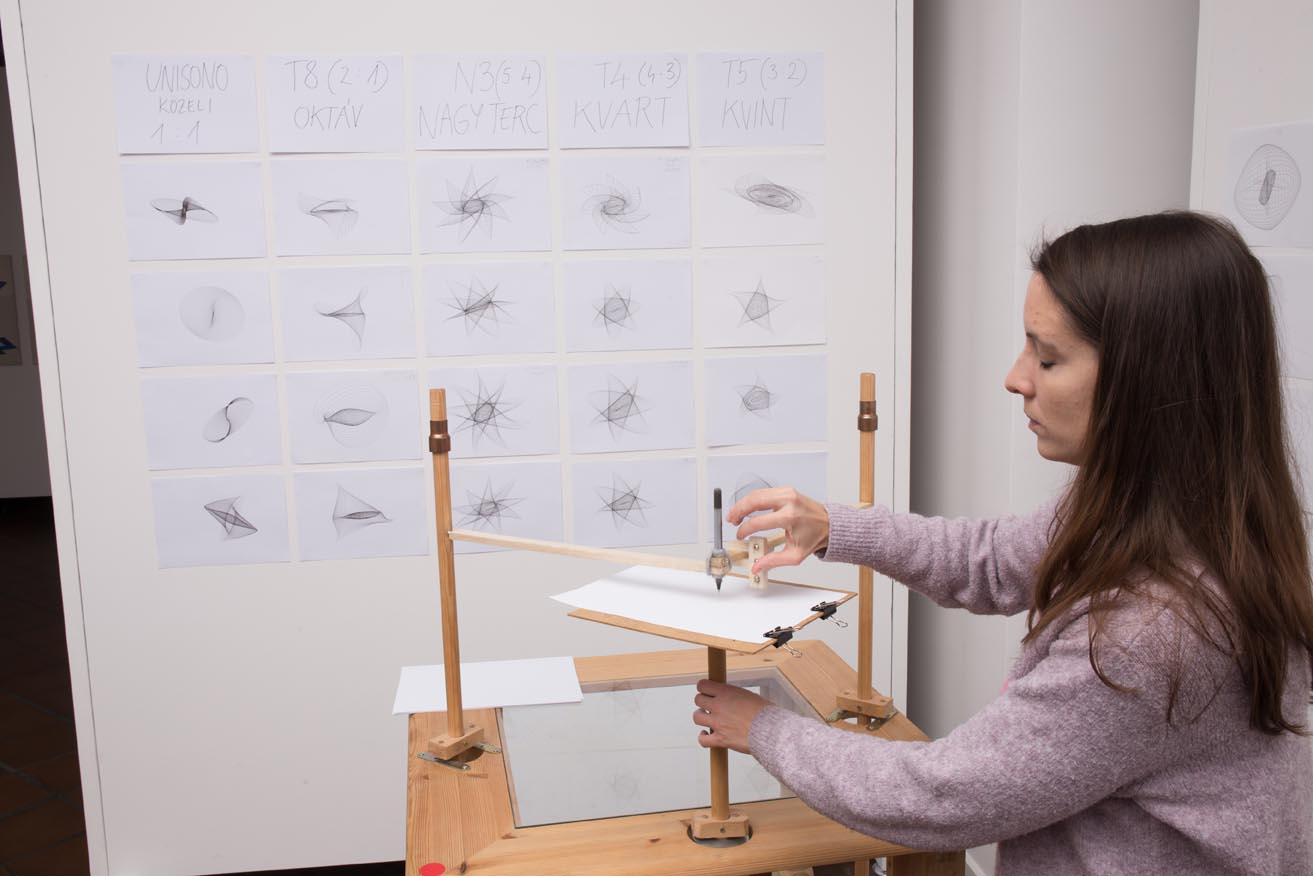
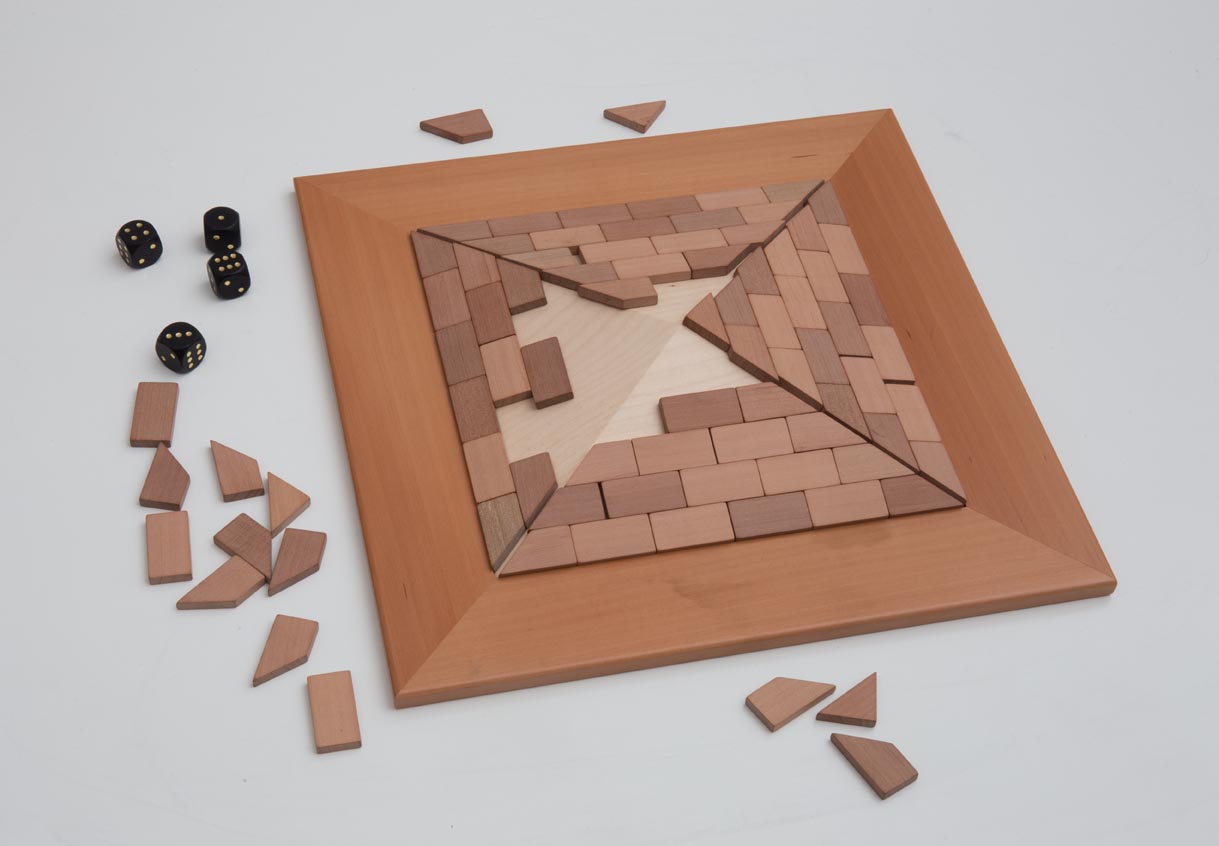
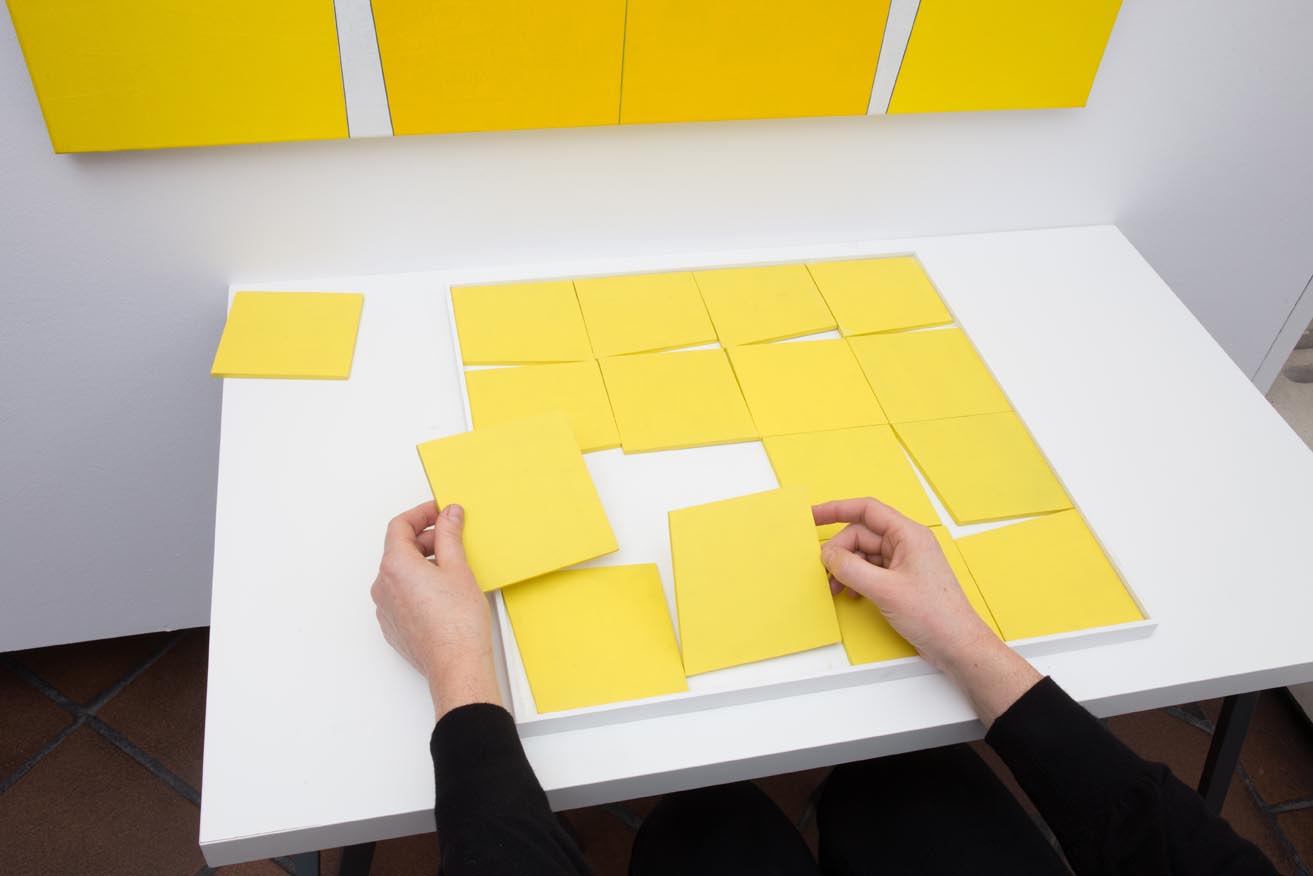
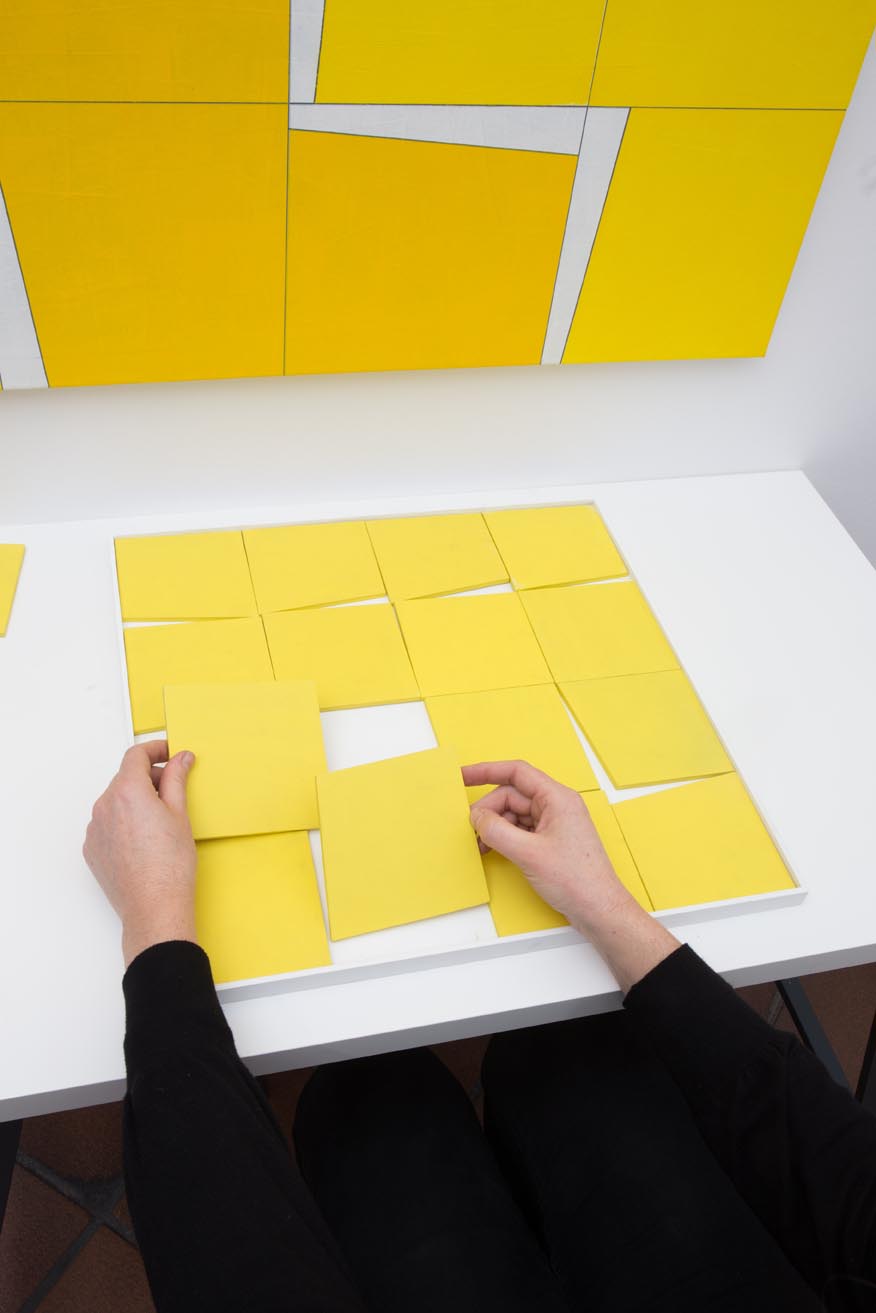
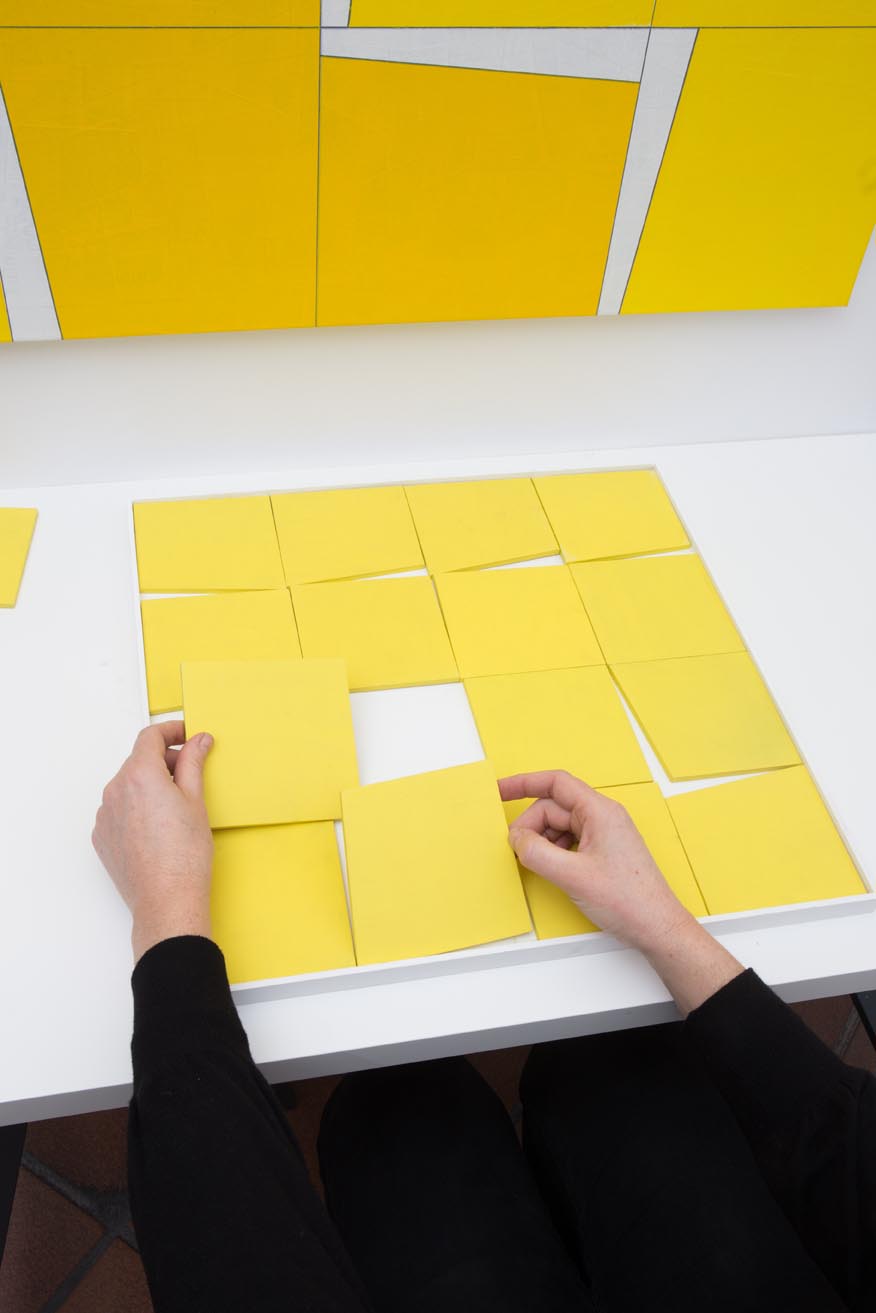
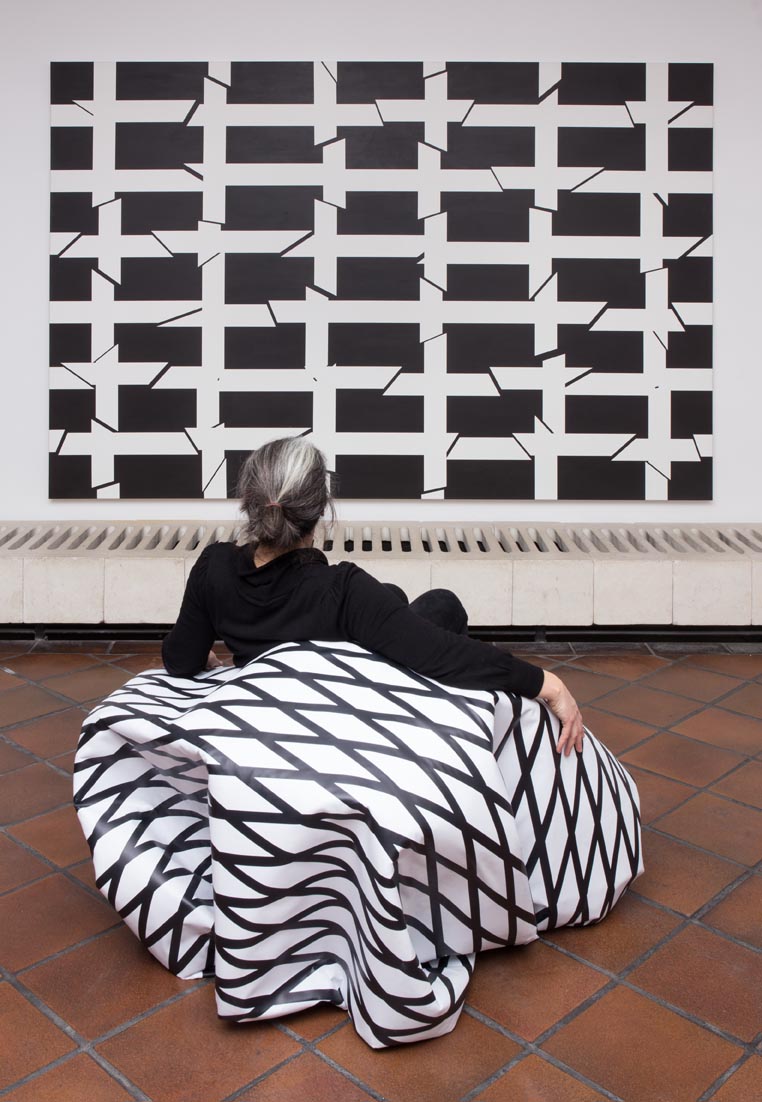
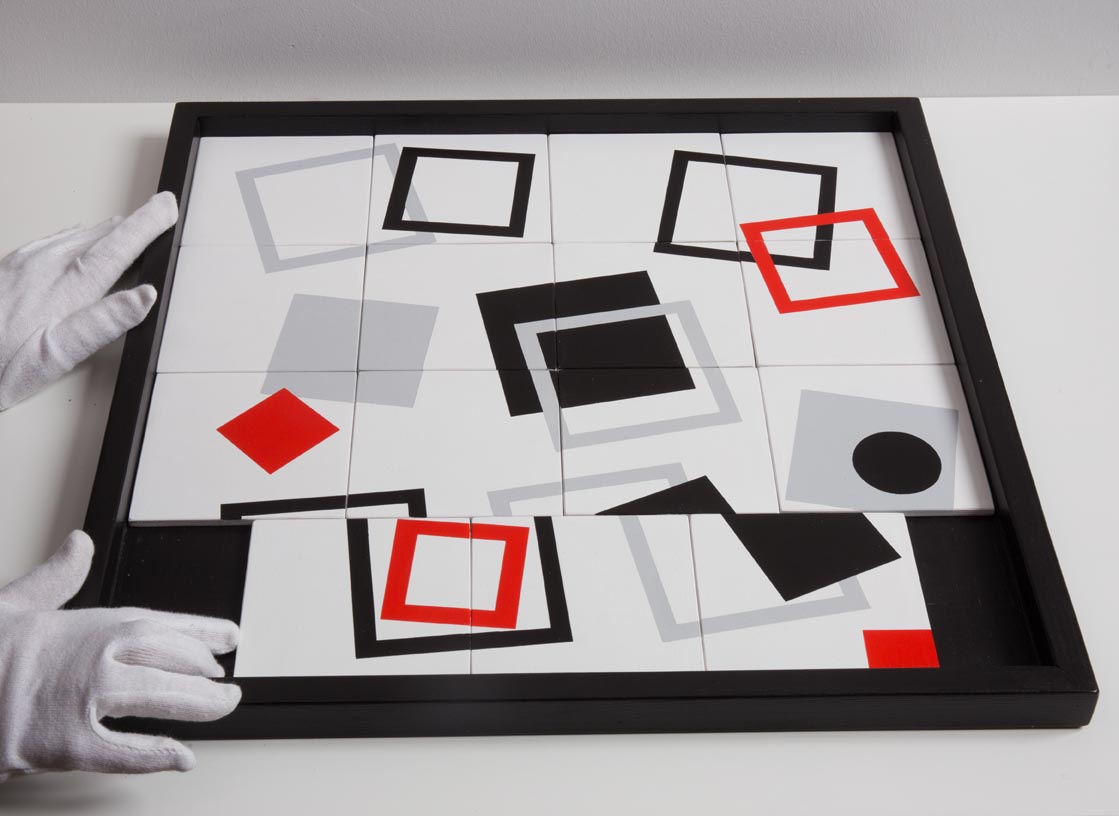
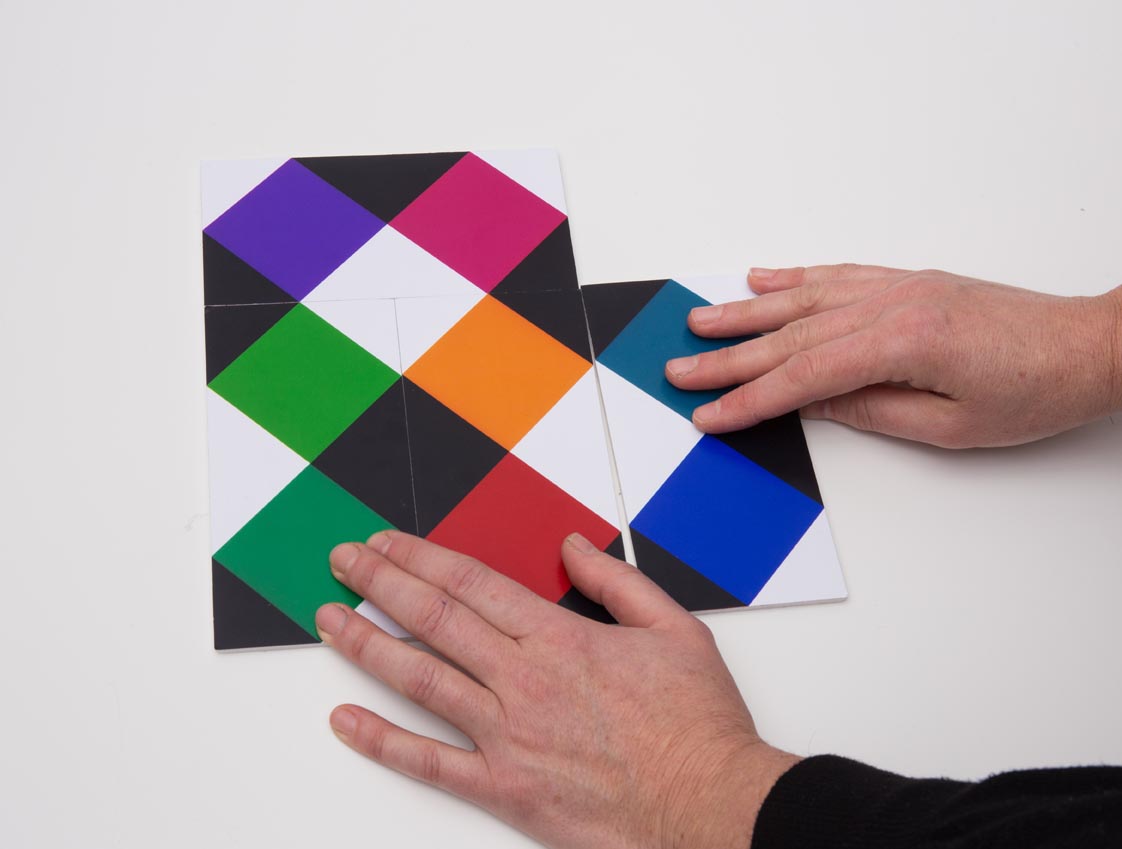
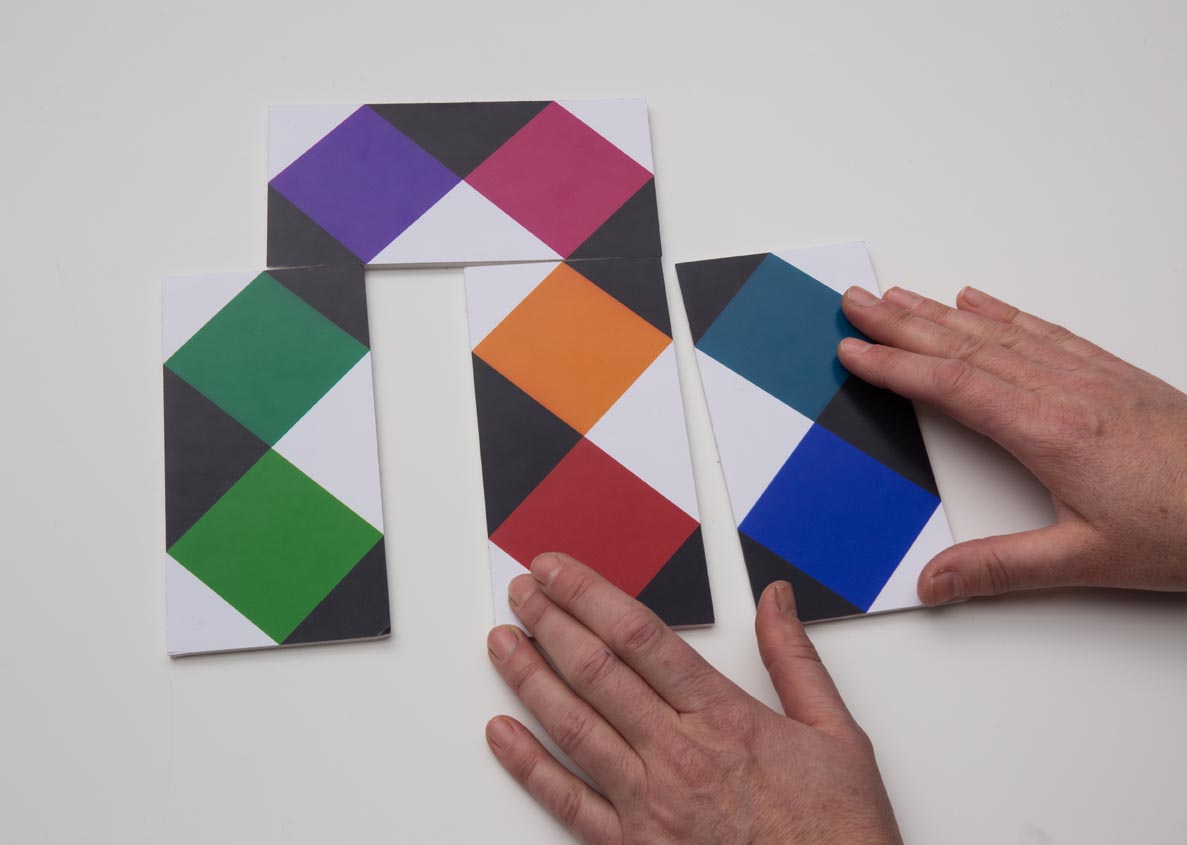
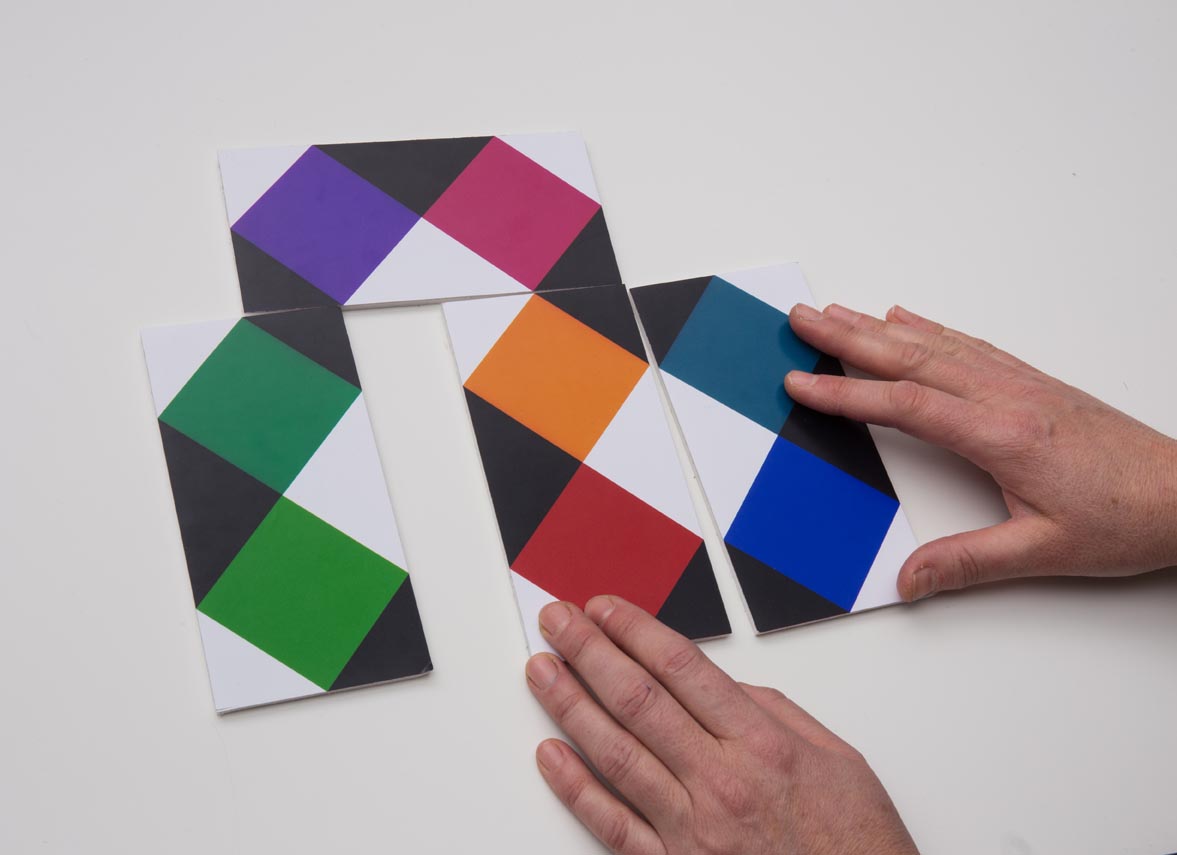
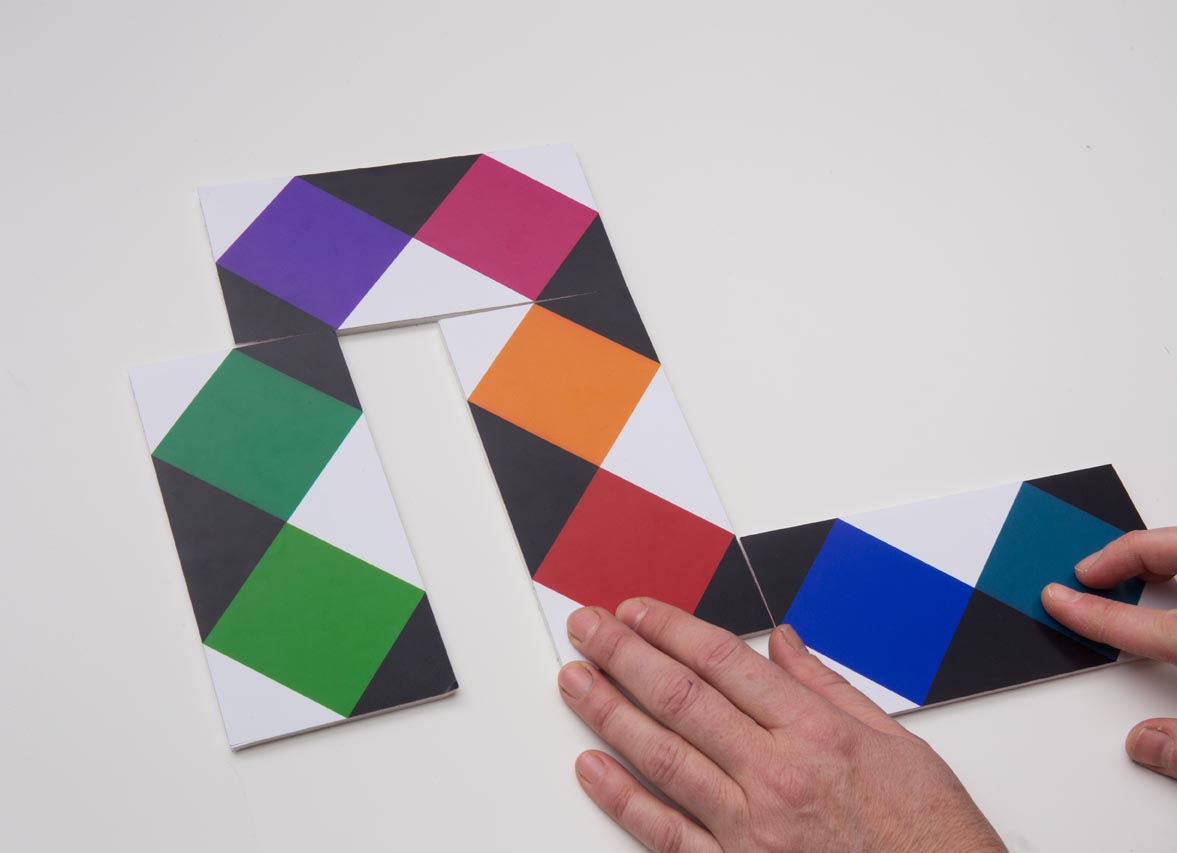
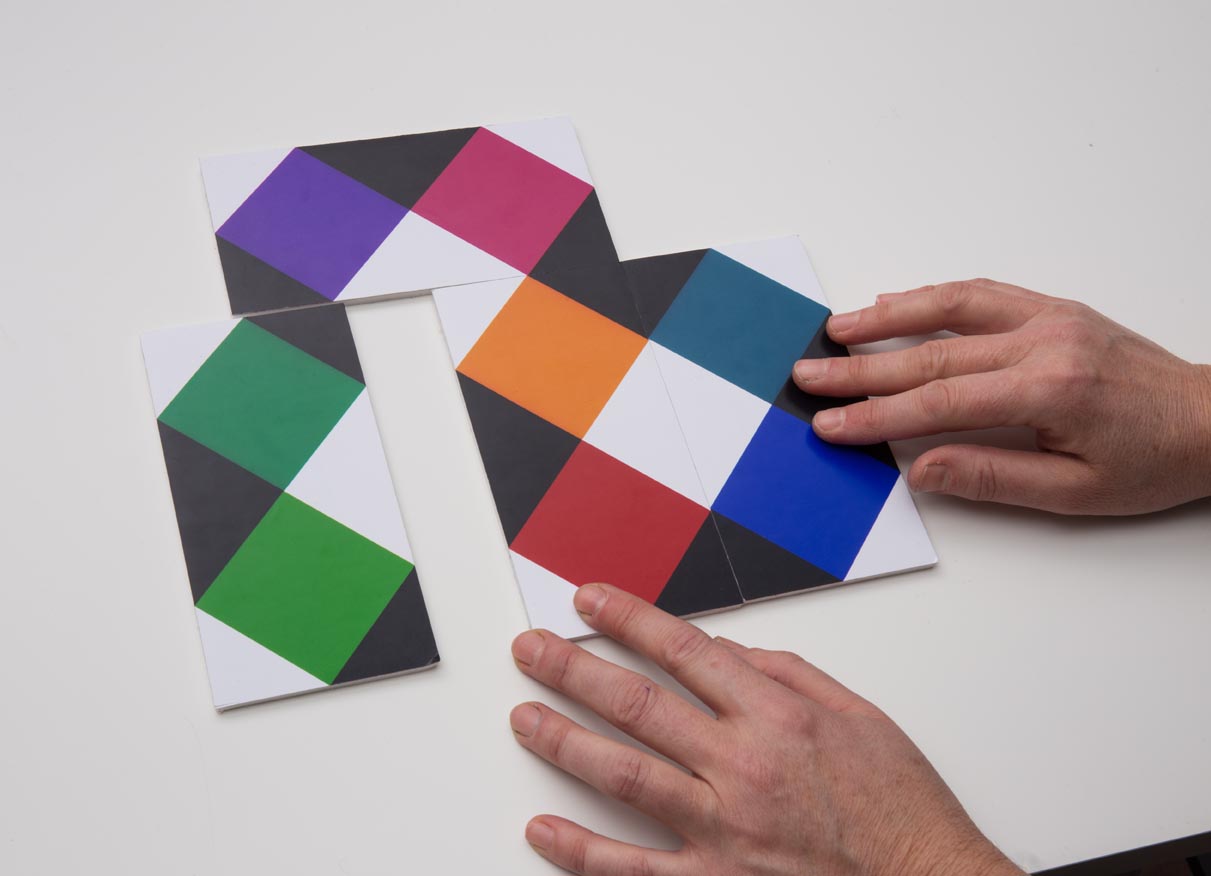
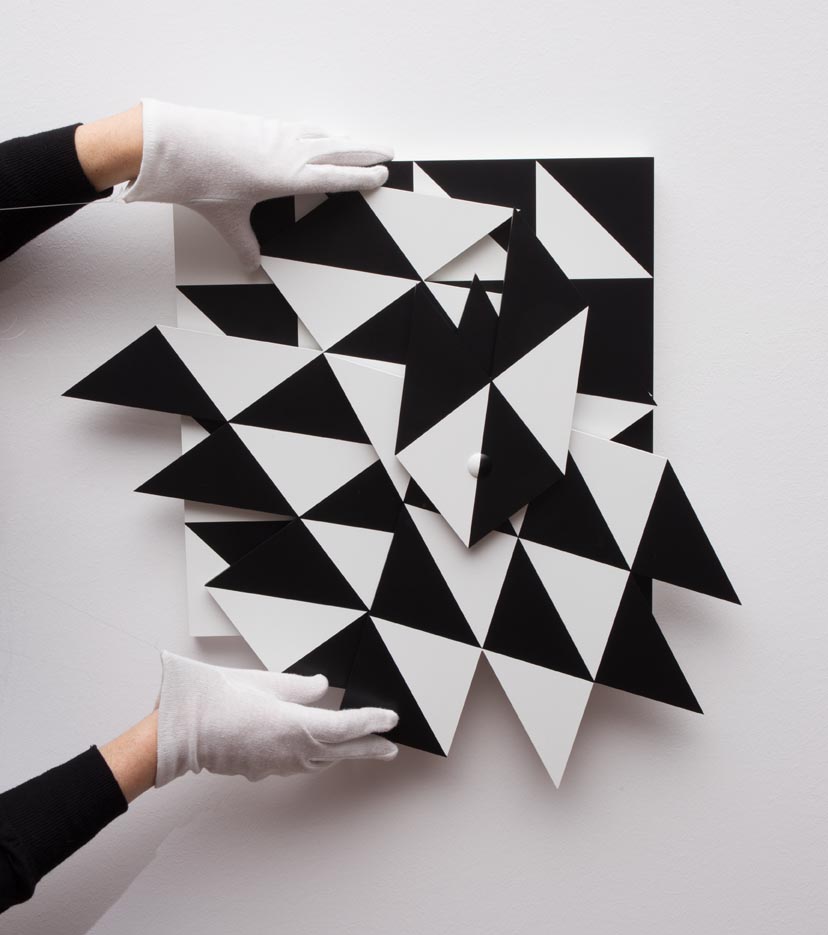
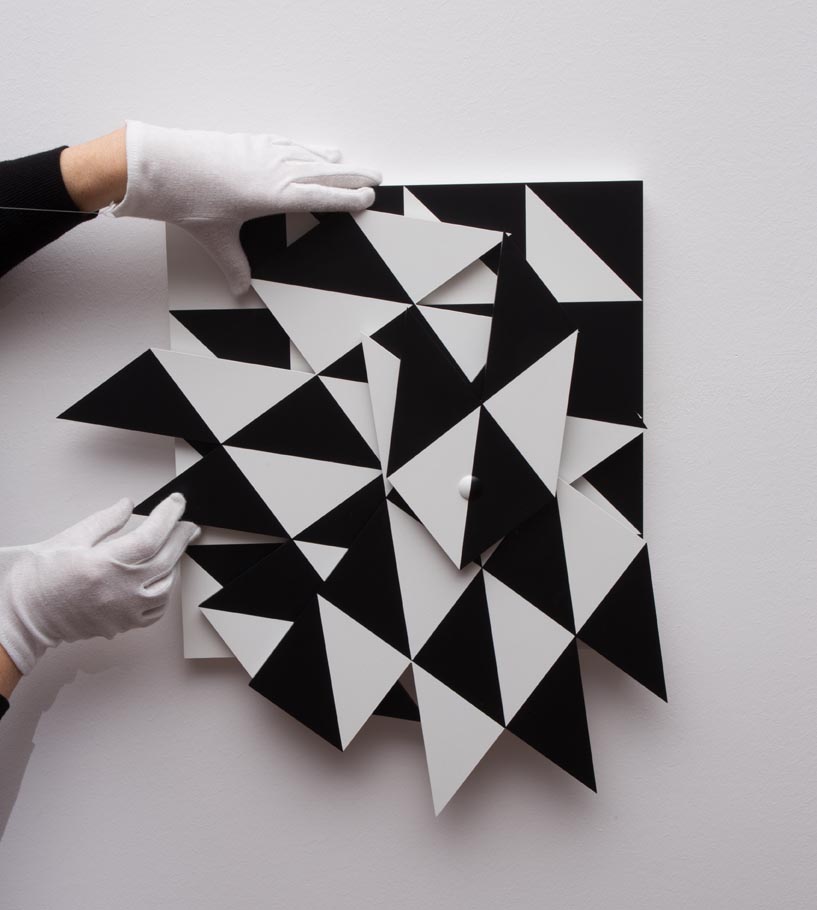
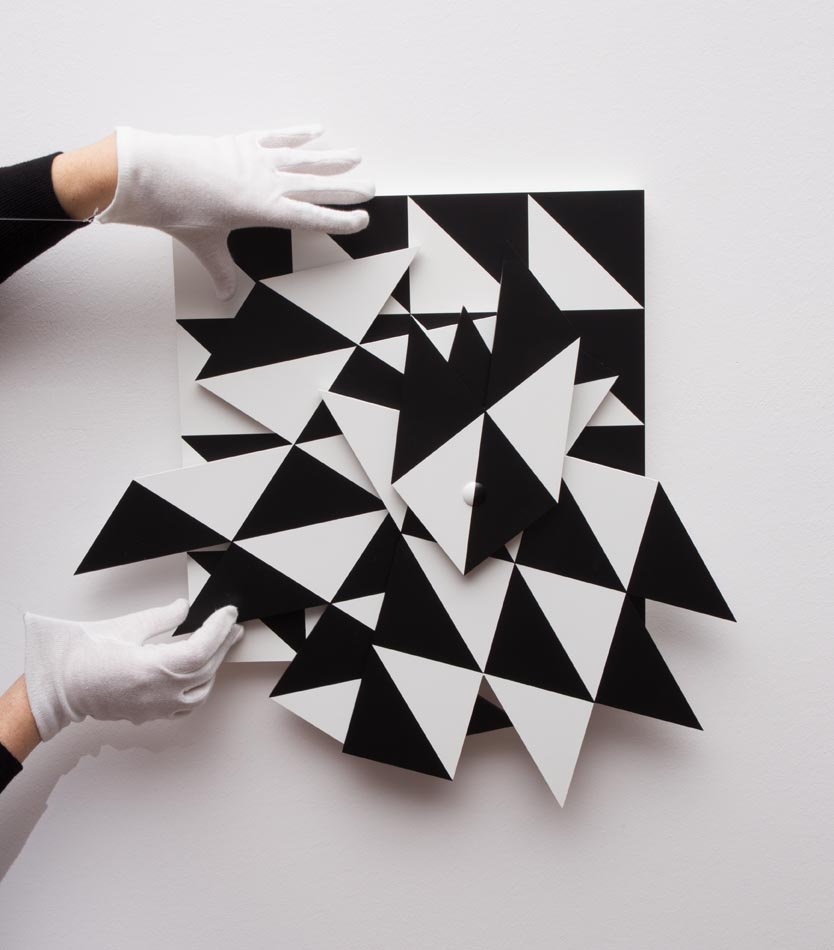
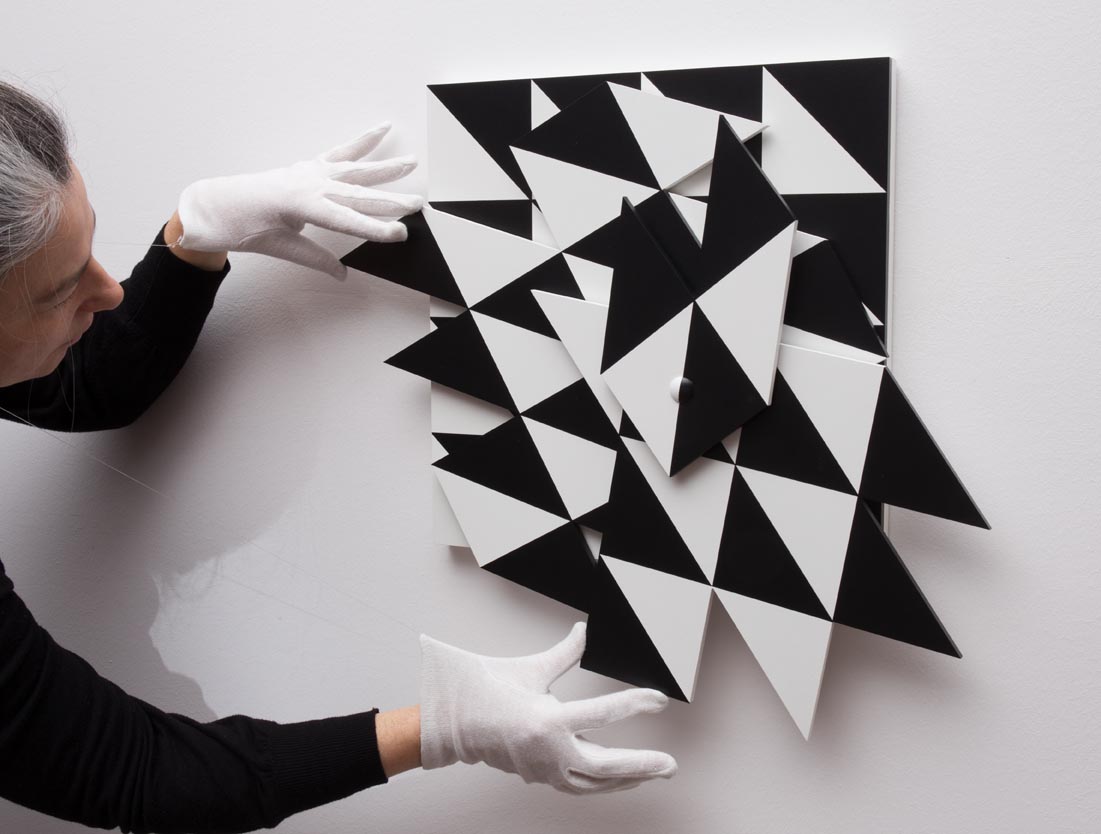
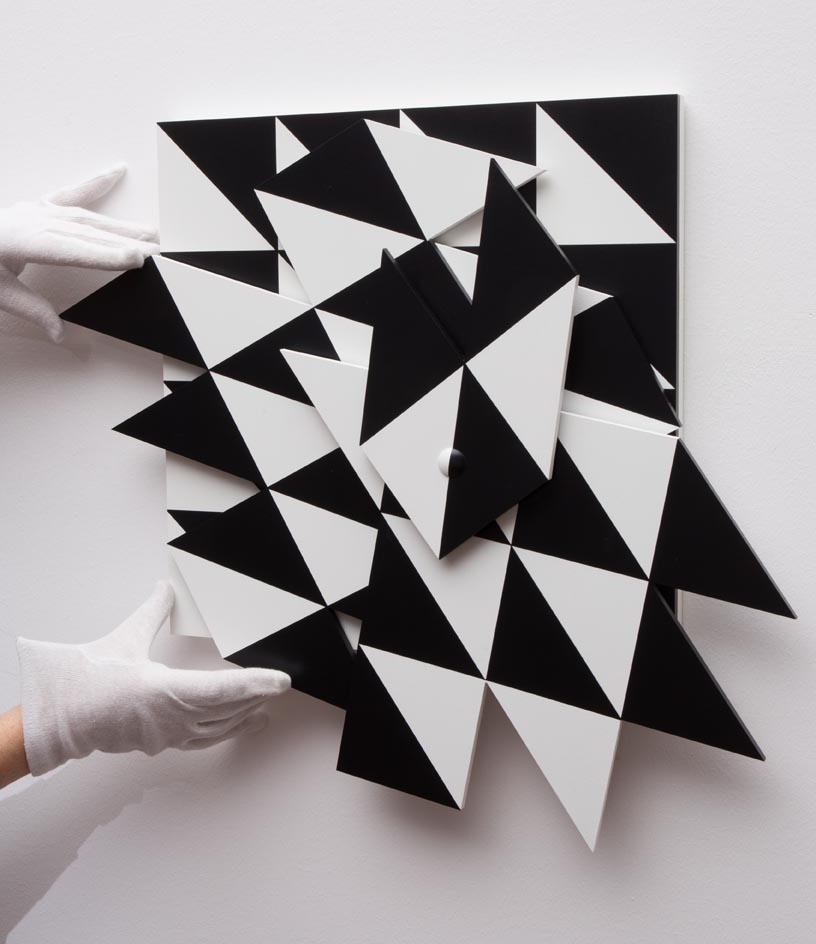
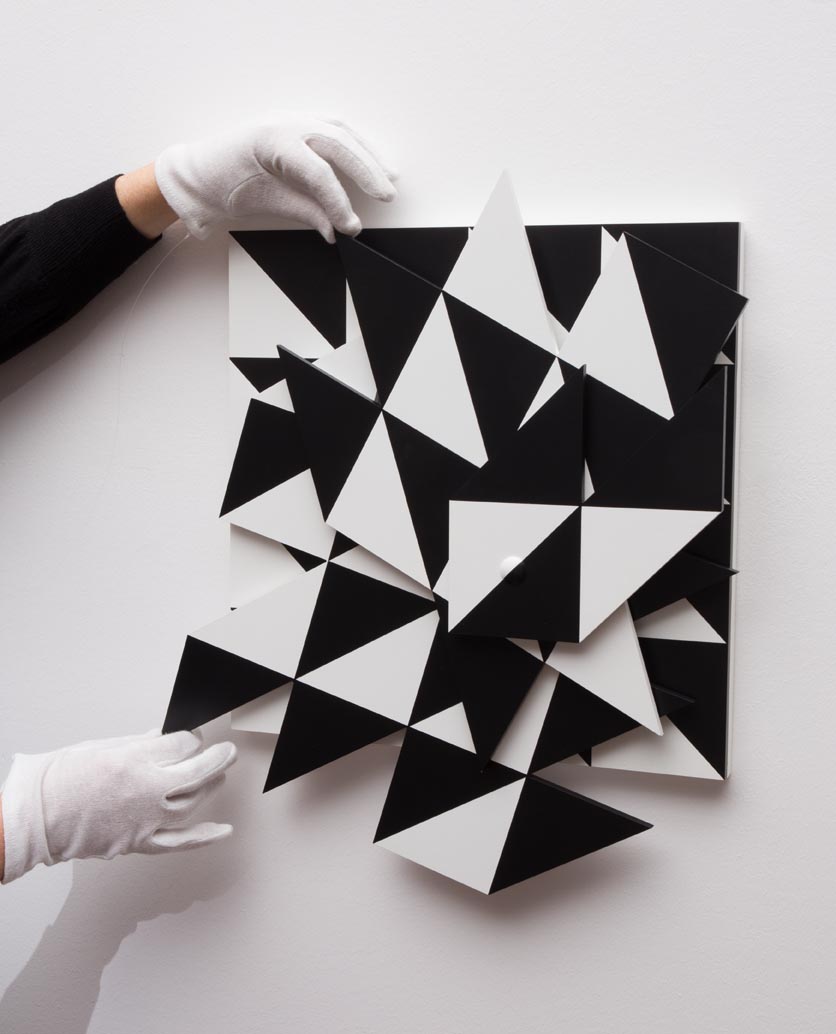
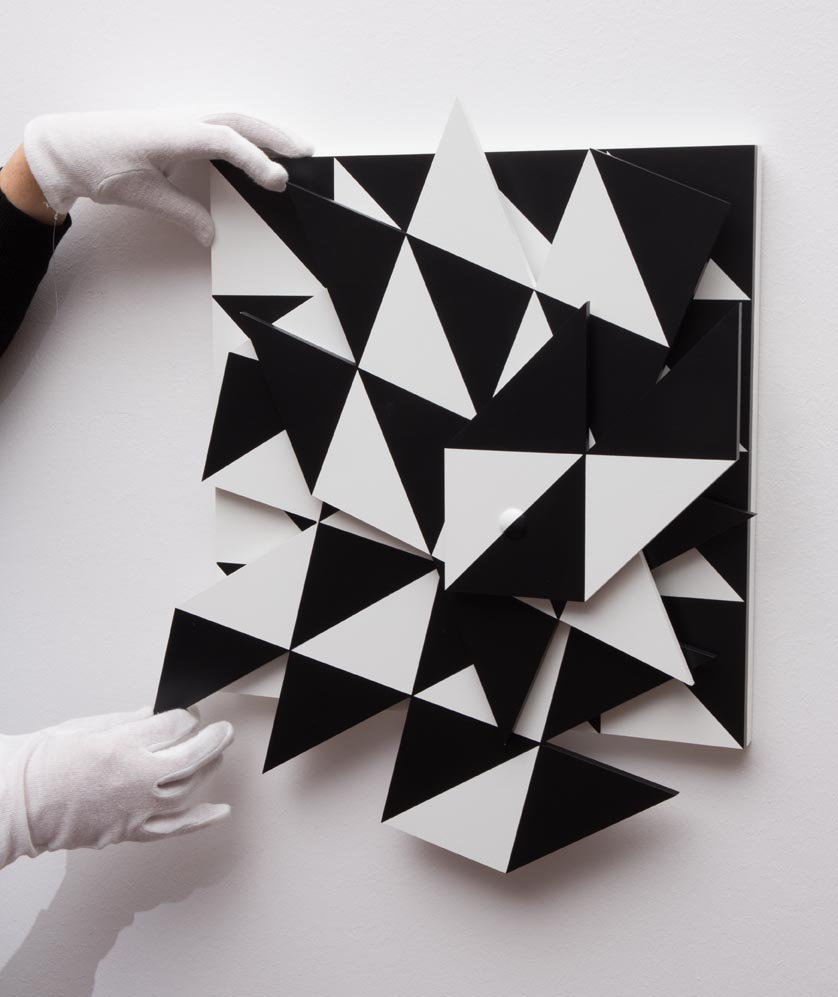
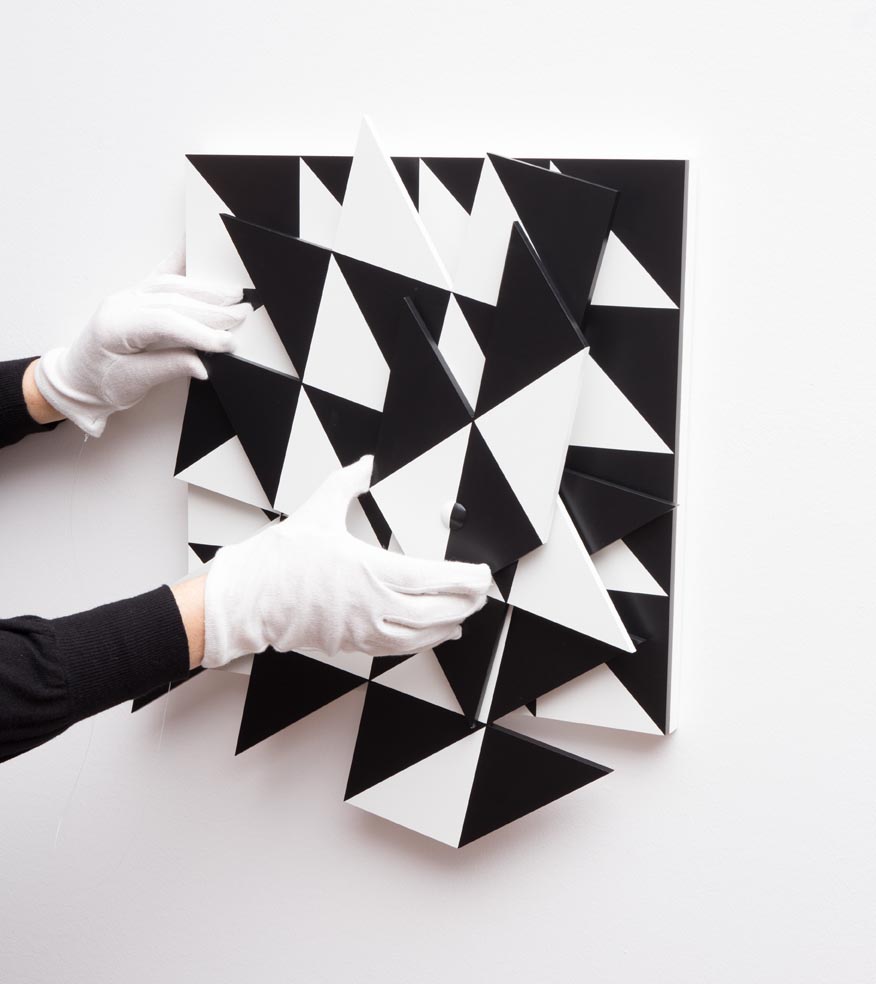
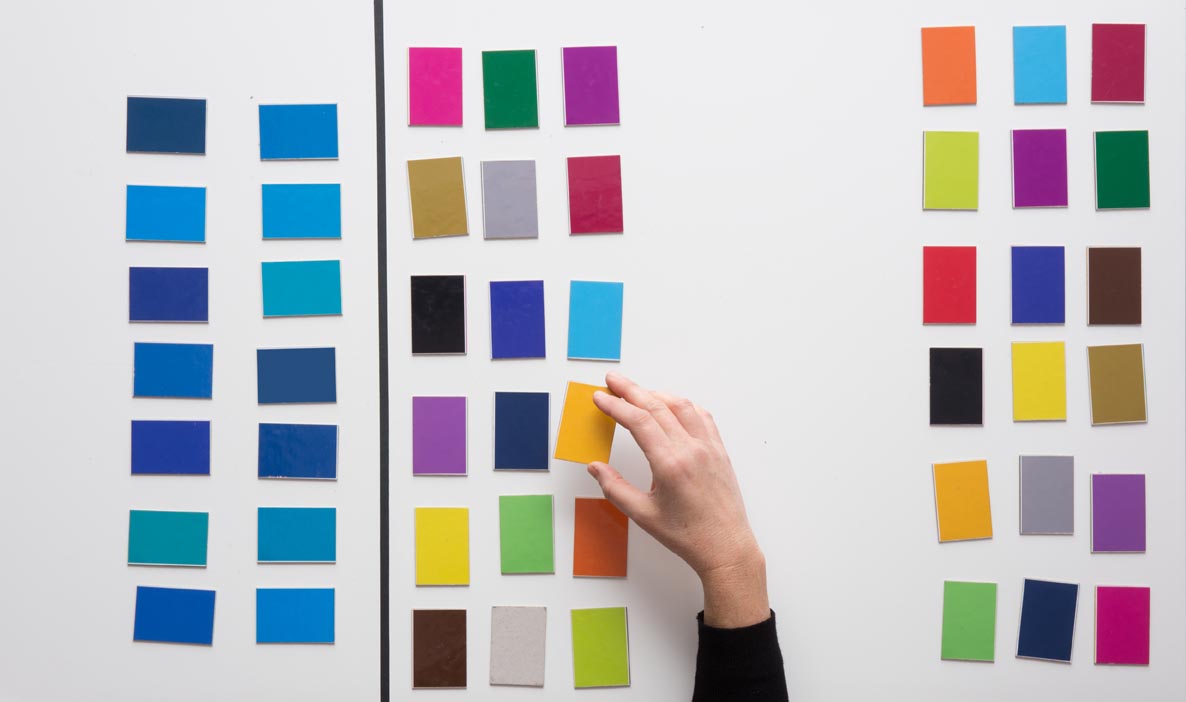
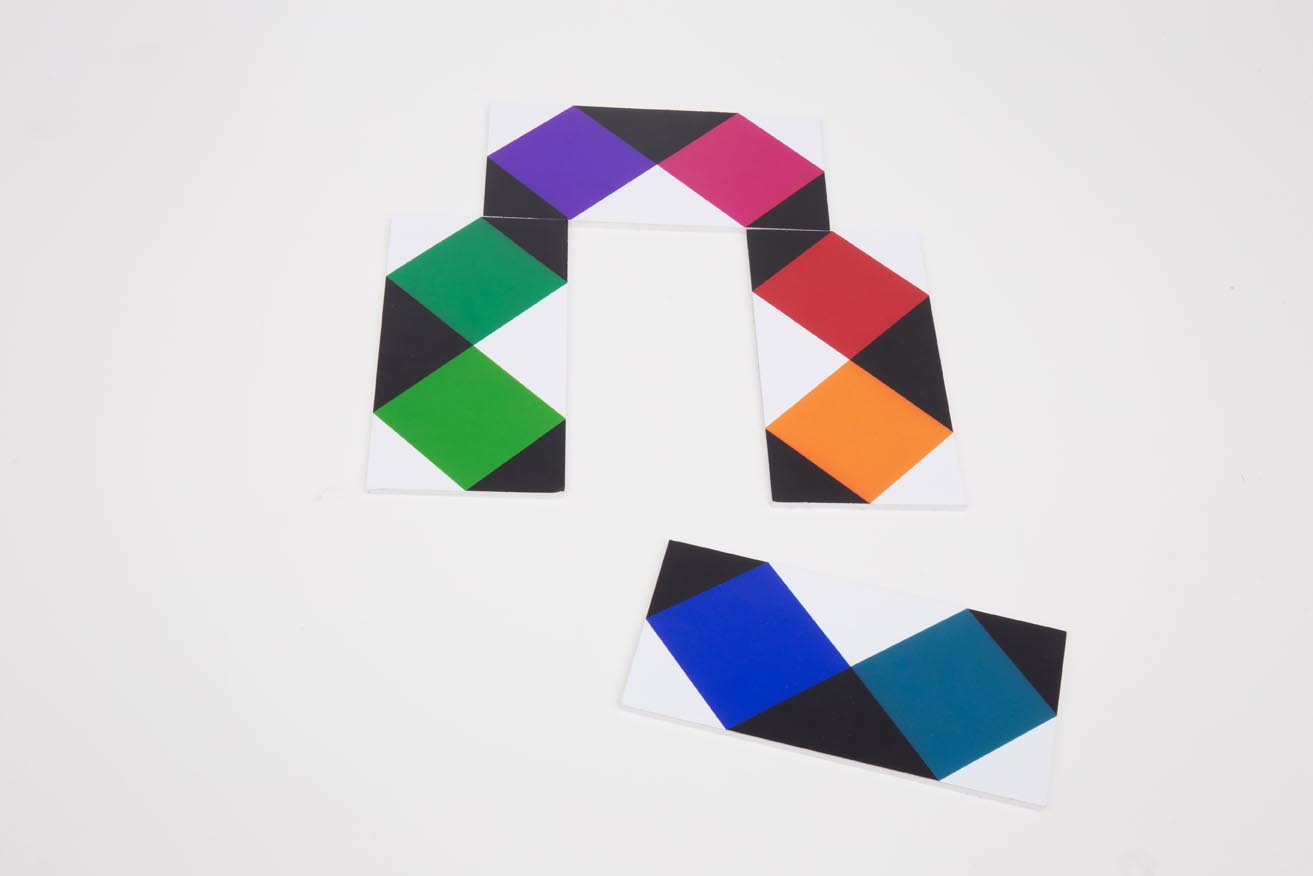
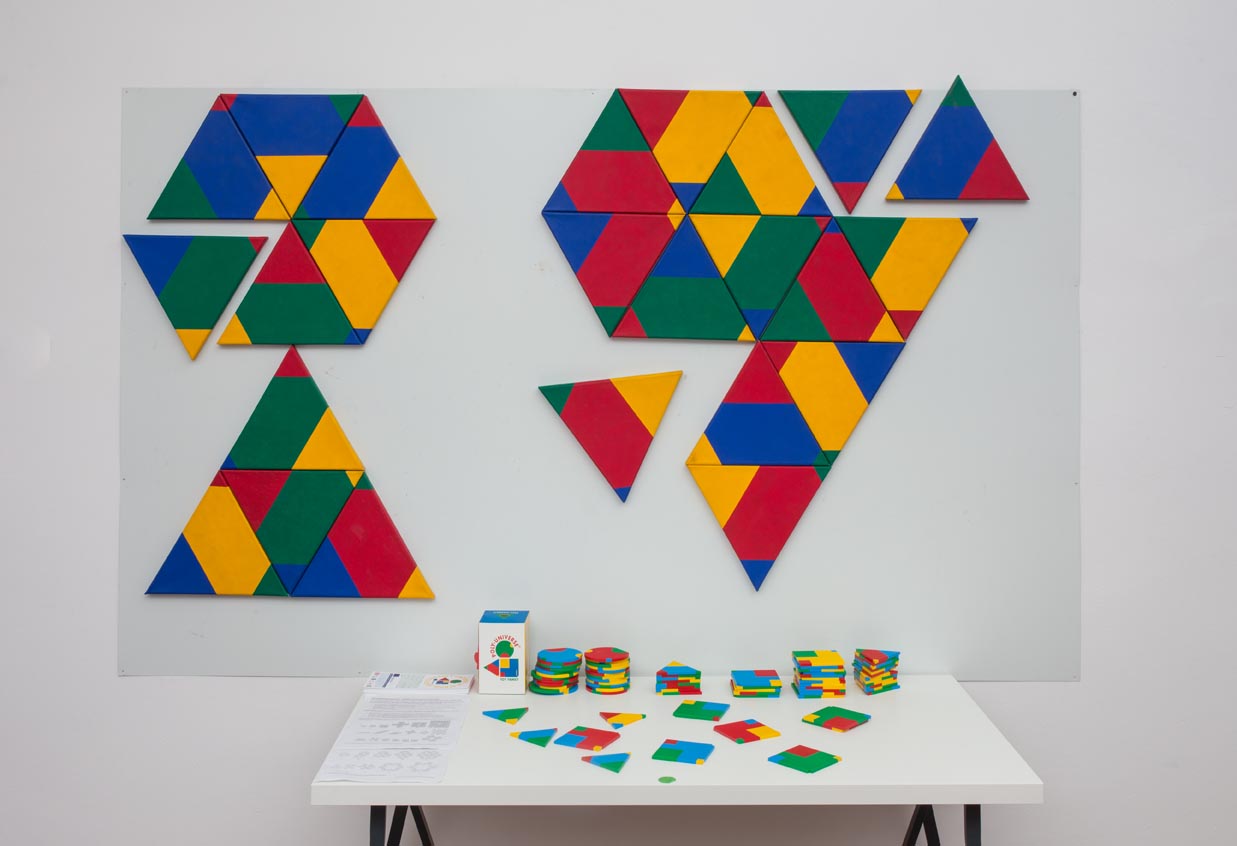
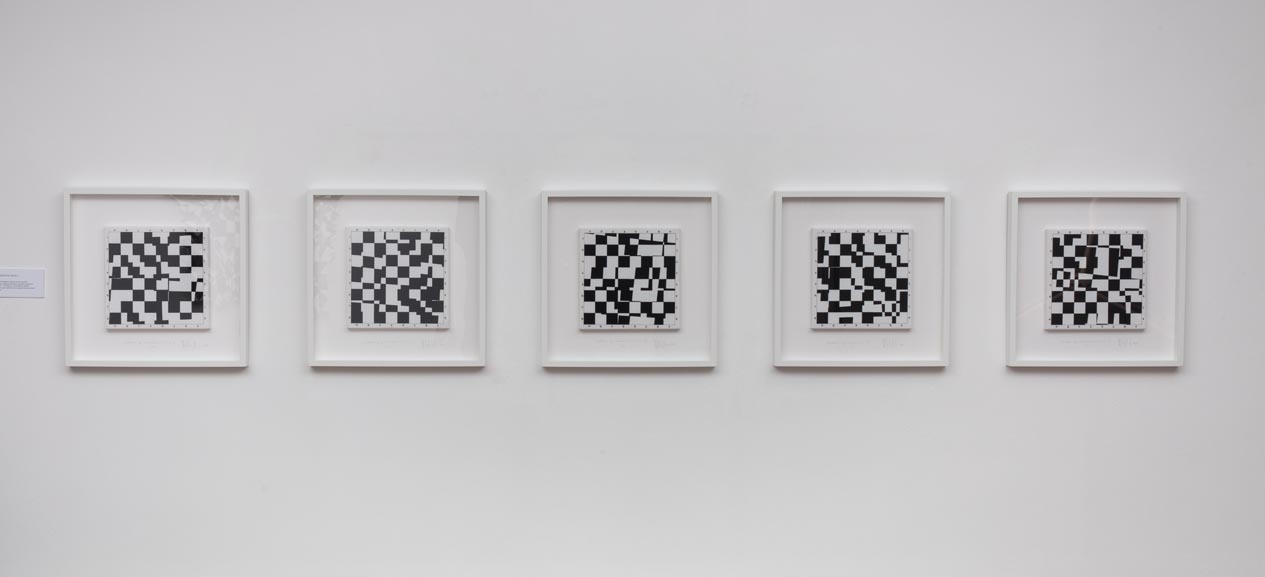
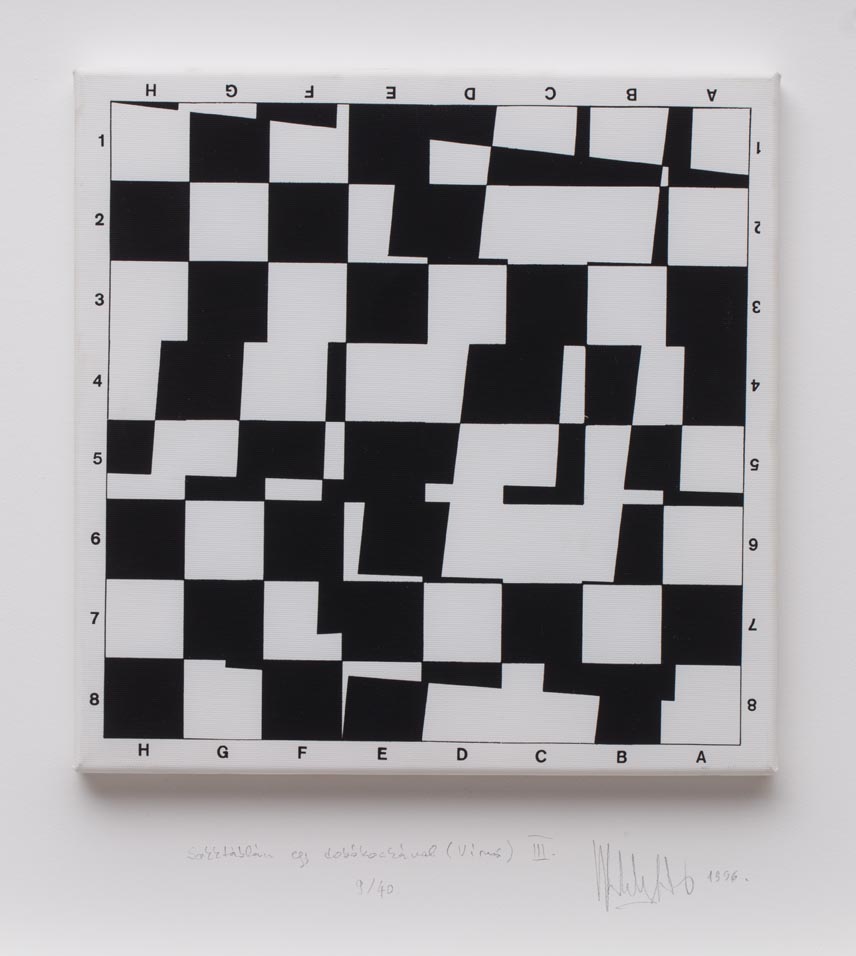
A szekvenciális/szeriális művek egy bizonyos – ismert, véletlen, rejtett – szabály/algoritmus/kód szerint generálnak esztétikai jelentést. A szabály lehet a művész által definiált eljárás a választott alapelemek determinisztikus ismétlésével, eltolásával, forgatásával, fordításával, tükrözésével, kitakarásával, kihagyásával, forma-, és szín-inverzióval, skála-átmenetekkel, fraktál viselkedéssel, vagy sztochasztikus módon generálva a mű elemeit akár véletlen kísérletekkel akár (pszeudo)véletlen számokkal, ill. adott szórás-tartományt lefedő irányított véletlen eljárásokkal, bolyongási modellekkel, ill. ezek kombinációjával vagy hálózatba rendezésével. Az alapelvek voltaképpen a matematika csoportelméleti megközelítésével azonosak: egy (vizuális) egység választása és az azon végrehajtott műveletek sorozata, melyek nem vezetnek ki egy zárt, ill. teljes rendszerből. Itt voltaképpen a művészet és a tudomány primer találkozásáról van szó, melynek bemutatása az OSAS egyik alapvető célja. Ezek a kérdések már a 60-as években a számítógéppel generált (generatív) művészet és kutatás homlokterében álltak nemzetközi szinten a korai számítógépes grafika kialakulásával. Így volt ez néhány hazai művésznél is hasonló elvek mentén, ám az akkor Magyarországon nehezen elérhető digitális technikák nélkül, vagyis manuálisan. A rohamosan változó digitális technológiai fejlődés eredményeképp újabb anyagok, eszközök és technológiák, mint például a video, facsimile, szkenner, fénymásoló, internet és egyéb képalkotó rendszerek állnak az alkotó rendelkezésre.
A kiállítás arra a kérdésre keres választ, vajon
- Az új technológiák tükrében kimutatható-e a generativ művészet elveinek folytonossága az alkotásban, ill. vizuális kutatásban, vagy valami alapvetően új történt az elmúlt húsz évben?
- Mi újat hoznak az új technológiák a képzőművészeti reflexió területén?
- A generatív művek értelmezhetők-e egy vizuális nyelv kontextusában?
- Képesek-e az algoritmizált/kódolt (generált) formák esztétikai jelentést hordozni és az mérhető-e valamilyen mértékkel? (V.ö. még: Max Bense információesztétikai megközelítését.)
- A véletlent is magukba foglaló algoritmusok milyen szerepet játszanak a művek evolúciójában/mutációjában?
A tárlatról az OSAS kiadványsorozatában katalógus készül, valamint egy külön átfogó párhuzamos kronológia kötet a számítástechnika és a generatív művészet elmúlt évtizedeinek párhuzamos történetéről.
CODE AND ALGORITHM – HOMMAGE Á VERA MOLNAR
Dedicated to Vera Molnar on the occasion of her 95th birthday
The exhibition is convened on the basis of personal invitations with the principal objective of placing early generative works as well as new approaches in an international context with the participation of the following artists:
ALBERT Ádám, BENEDEK Barna, Max BILL, BÓDI Marianna, BORTNYIK–TUBÁK, José BRÉVAl, CSIKY Tibor, CSIZY László, Maria CUEVAS, Aleksander DRAKULIC, FERNEZELYI Márton, GÁYOR Tibor, HARASZTŸ István, HARMATI Kitti, HOÓZ Anna, Gerhard HOTTER, Viktor HULIK, Jean-François DUBREUIL, JENESES Ádám, JOVÁNOVICS Tamás, JULESZ Béla, KAPPANYOS András, Hiroshi KAWANO, KELLE Antal, KOVÁCS Attila, KOVÁCS Gyula, LANTOS Ferenc, LEPSÉNYI Imre, Josef LINSCHINGER, Richard Paul LOHSE, MARAFKÓ Bence, MÁTÉ Dániel, MAURER Dóra, MENGYÁN András, Manfred MOHR, Vera MOLNAR, François MORELLET, NEMES Judit, NÉMETH Dániel, Andrzej J. OLEJNICZAK, PÓCSY Ferenc, PALOTAI Gábor, Henri PROSI, REHOROVSZKY Anna, Torsten RIDELL, Albert RUBENS, Jan SCHOONHOVEN, Mark STAREL, Klaus STAUDT, Esther STOCKER, Peter STRUYCKEN, SZÉCSÉNYI-NAGY Loránd, SZEGEDY-MASZÁK Zoltán, SZÍJ Kamilla, SZLOVICSÁK Dömötör, TIHANYI Áron, TÜRK Péter, Ryszard WINIARSKI, WOLSKY András, Joa ZAK, ZALAVÁRI András
Curators: SZEGEDY-MASZÁK Zoltán, SZÖLLŐSI-NAGY András, WOLSKY András
Opened by: Z. László Karvalics TBC
Many dynamic systems in nature and society display nonlinear behavior yet following some rules according to certain known or unknown principles. With small displacements during a fairly long sequence often not much change is observable in the dynamics of the system and/or with its evolutionary behavior. The system could further be loaded without fundamental changes in its characteristics. And then all of a sudden a tipping point/breakthrough is reached when the dynamic behavior of the system changes abruptly and it goes through a mutation. That is how climate change, population dynamics, prison outbreaks and revolutions work, for instance. Examples from the field of contemporary music are the compositions by John Cage and Philip Glass while in art early works by Vera Molnar, François Morellet, Manfred Mohr, Attila Kovács, Frieder Nake, A. Michel Noll, Ferenc Lantos, Dóra Maurer and András Mengyán could be cited in this context, just to mention but a few.
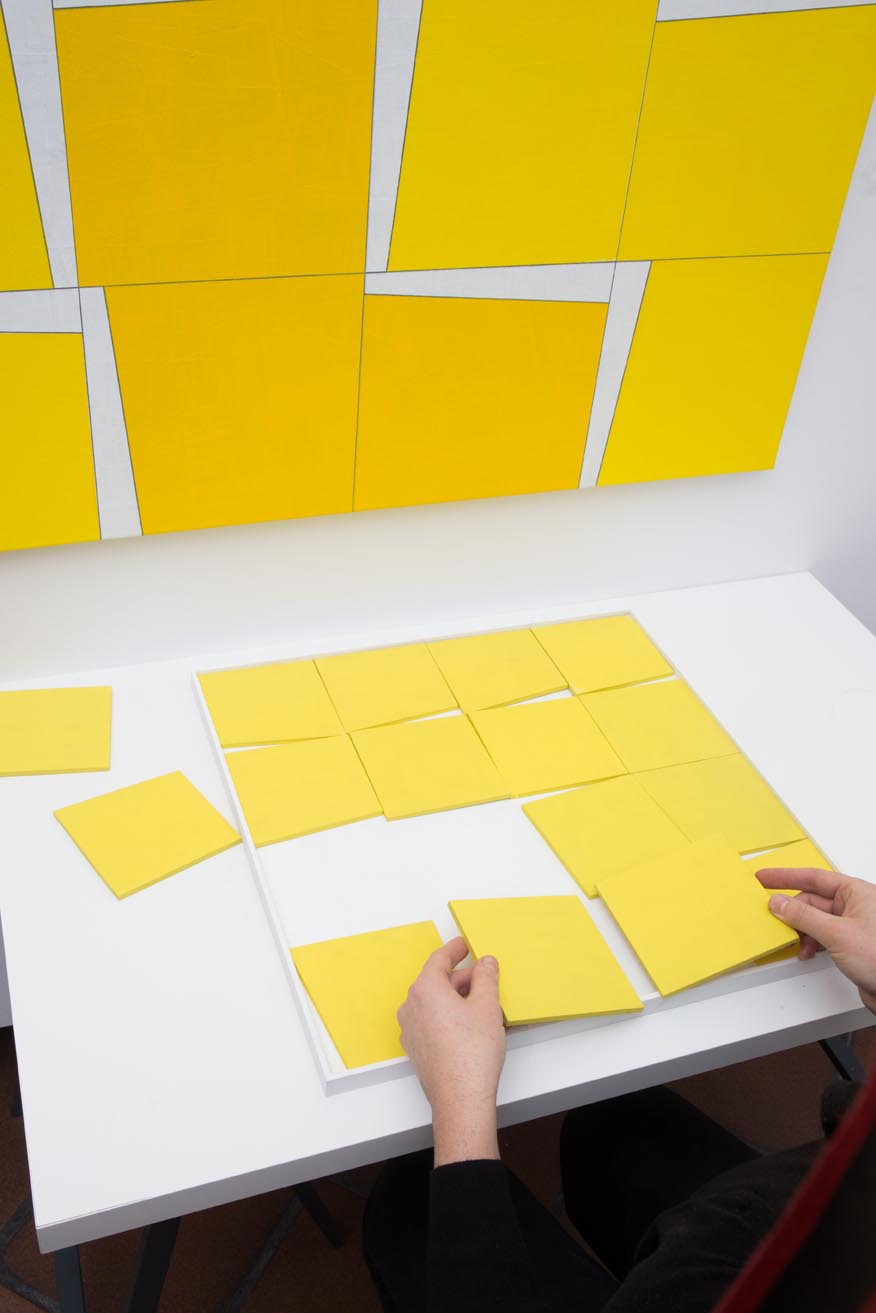
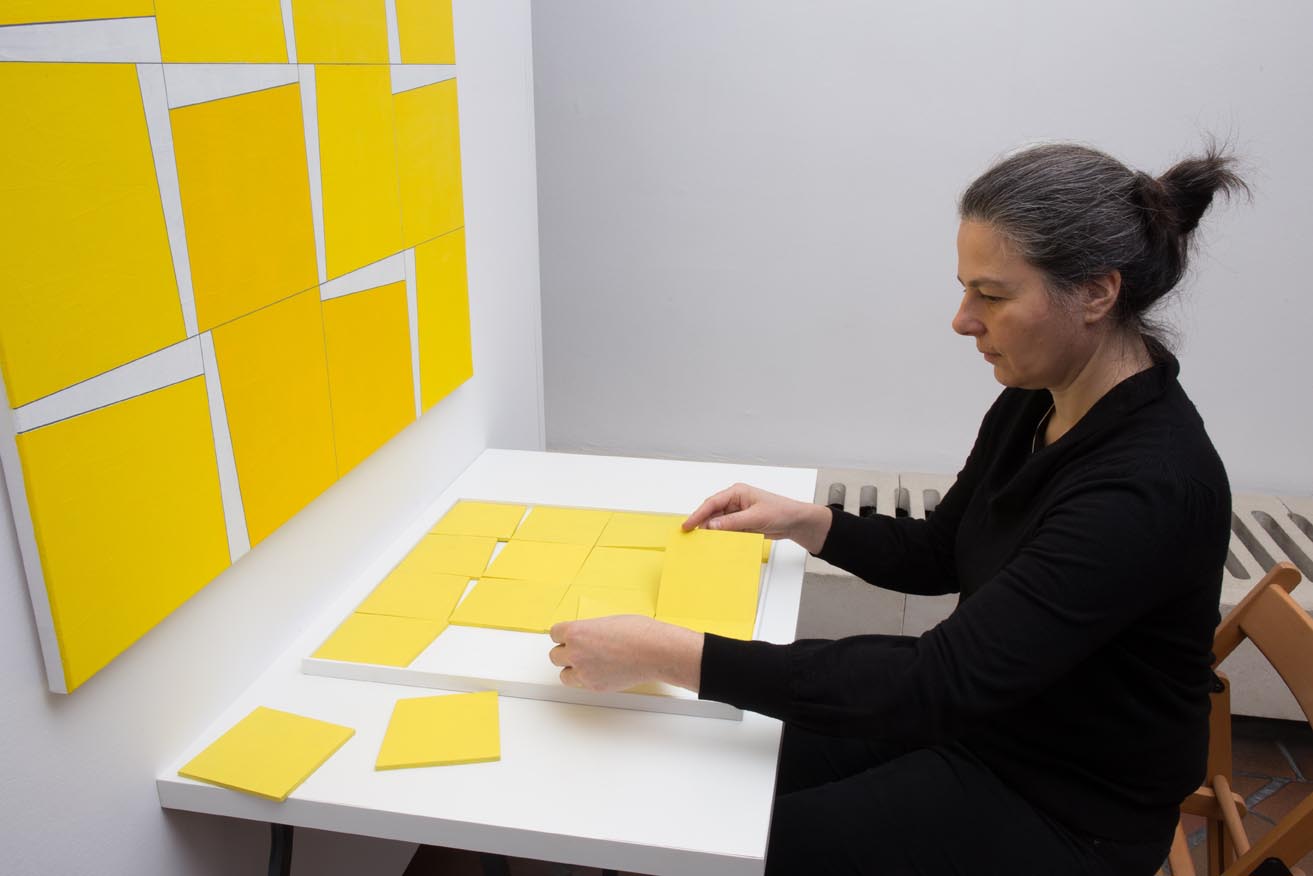
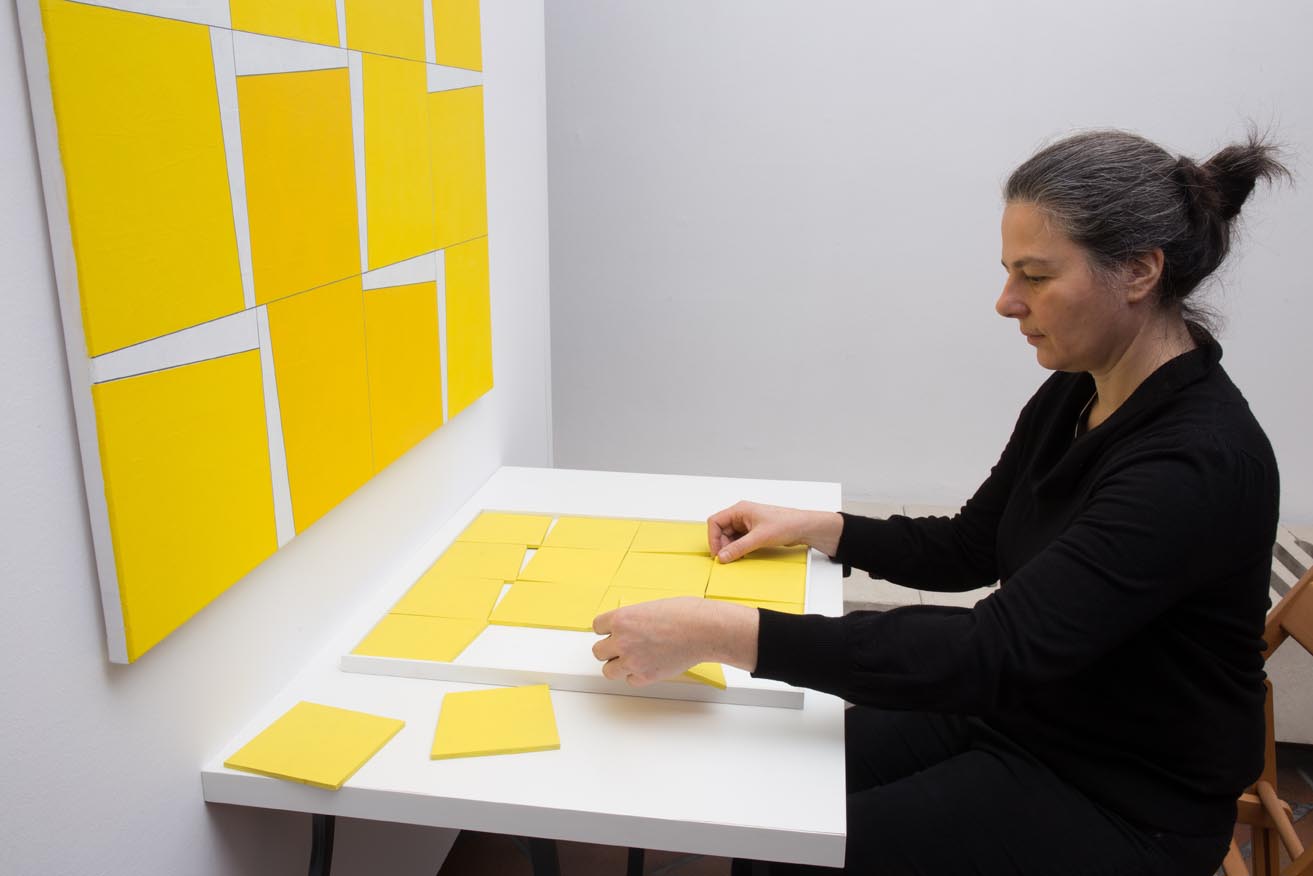
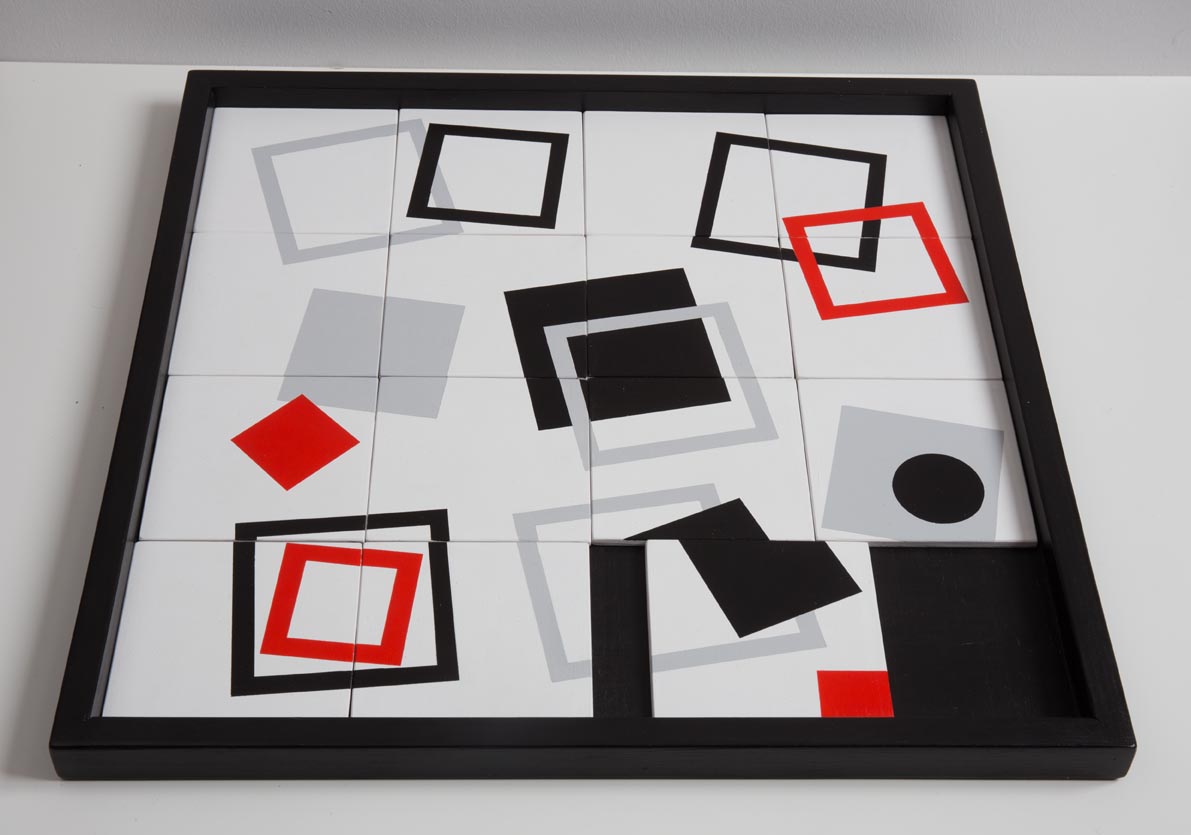
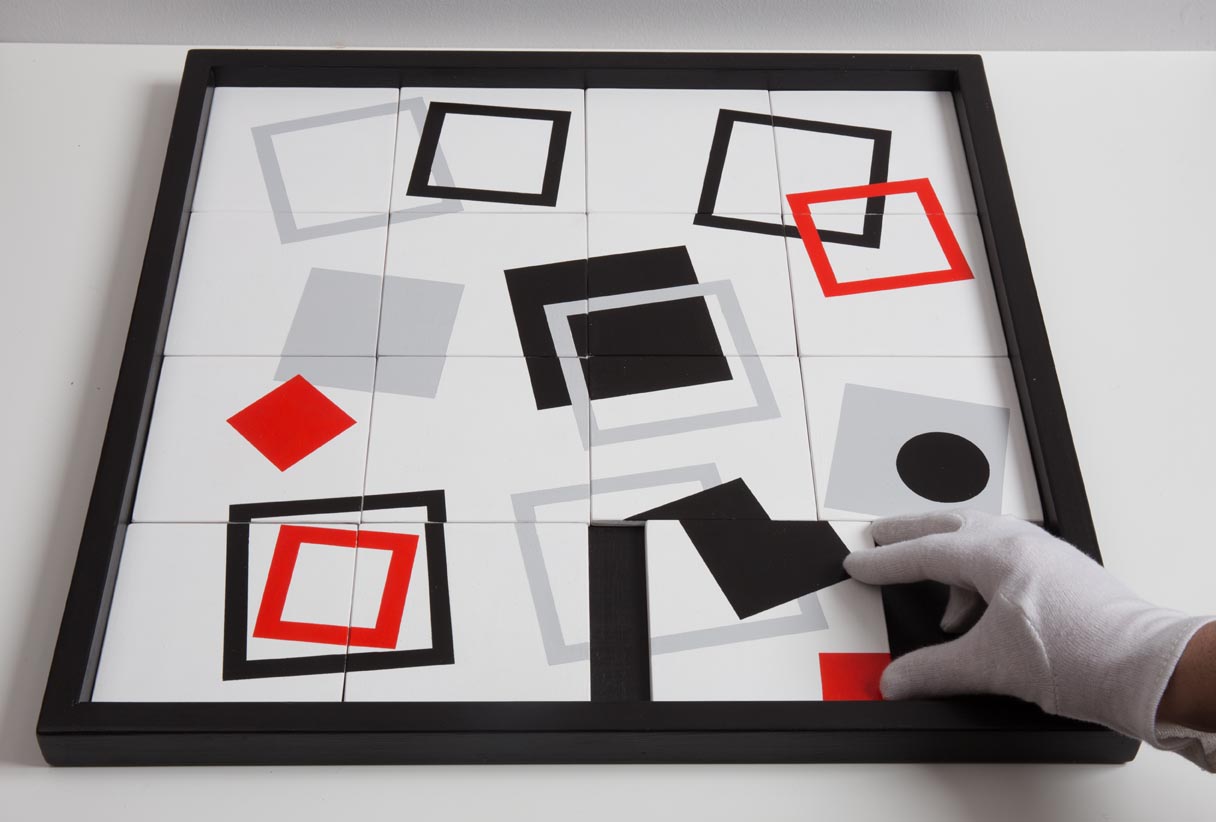
Sequential/serial works often generate aesthetical meaning through certain know, random or hidden rules/algorithms/codes. The rule could be a procedure defined by the artist such as operations on a chosen visual unit, such as a square for instance as is the case with Vera Molnar’s works. These operations might include deterministic repetition, shifting, rotation, color or form inversion, symmetrical or asymmetric mirroring, covering, scale transition and/or fractal behavior, respectively. Or it could be a stochastic manipulation of the visual unit chosen either by probabilistic experiments or by pseudo-random numbers covering a certain range of the process variance, or by random walk models and the combination thereof. The fundamental approach here is basically identical with that of mathematical group theory. First, the choice of a (visual) unit and then operations on that unit such as listed above. Note, however, that this methodology represents a closed or complete system as the results of the operations remain within the same system.
This is clearly an example of art encountering science. The demonstration of the existence of this close relationship is one of the principal missions of OSAS.
These questions were already in the forefront of computer-generated art in the 60s at international level in tandem with the development of early computer graphics. Some of the local Hungarian artists followed the same algorithmic principles, however, manually as there was no access to modern digital technology due the Iron Curtain and the US CoCom restrictions. This has slowly changed with time but of course the breakthrough did not happen before the major political changes that swept through Central Europe at the beginning of the 90s. As a result of rapidly changing technological development a great number of new materials, tools and techniques, such as PCs, video, facsimile, scanners, Xerox machines, Internet and other means are available now for the artists.
The objective of this OSAS exhibition is to find answers to the following questions:
- In the light of advanced new technologies is it possible to identify continuity in the principles of generative art and visual research or something fundamentally new happened over the past 30 years that changes the accepted paradigms?
- Have new technologies brought in anything fundamentally new in the artistic reflection?
- Could generative works be interpreted in the context of a new visual language?
- Could algorithmic/coded generative works carry aesthetical meaning and whether is that measurable? (C.f. Max Bense’s information aesthetics)
- What role stochastic algorithms play in the evolution/mutation of art works?
Publications: Two publications are foreseen within the OSAS books series. A bi-lingual full exhibition catalogue and a comprehensive chronology on the parallel history of computing technology and generative art will be published.